If you have ever been jolted awake by a sudden, painful tightening in your calf or foot, you are far from alone. Nocturnal leg cramps — sometimes called “charley horses” — affect up to 60 per cent of adults over 50 at some stage, and for many people they become a recurring nuisance that disrupts sleep, limits mobility, and chips away at quality of life.
The good news? Most leg cramps are harmless, and there is plenty you can do to reduce how often they strike and how severe they feel. In this guide, we look at what causes leg cramps as we get older, practical steps you can take at home, and the Irish supports available if cramps become a persistent problem.
TL;DR
- Nocturnal leg cramps affect up to 60% of adults over 50 and are usually harmless but disruptive.
- Common causes include dehydration, electrolyte imbalances, medication side effects (statins, diuretics), and reduced physical activity.
- Regular calf stretching before bed, staying well hydrated, and gentle daily movement are the most effective prevention strategies.
- Speak with your GP if cramps are frequent, severe, or accompanied by swelling, numbness, or skin changes — these may signal an underlying condition.
- Irish supports include the CDM Programme, HSE community physiotherapy, and medication reviews through your pharmacist under the Medicines Use Review service.
What Exactly Is a Leg Cramp?
A leg cramp is an involuntary, sustained contraction of a muscle — most commonly in the calf (gastrocnemius), but also in the foot, thigh, or hamstring. The muscle locks into a hard, painful knot that can last from a few seconds to several minutes. Afterwards, the area may feel sore or tender for hours.
Cramps are different from restless legs syndrome (an uncomfortable urge to move the legs) or peripheral neuropathy (tingling and numbness caused by nerve damage), though these conditions can sometimes occur together.
Why Do Leg Cramps Become More Common After 50?
Several age-related changes make cramps more likely as we get older:
1. Natural Muscle Loss
From our 40s onwards, we lose muscle mass at a rate of roughly 1–2 per cent per year — a process known as sarcopenia. As muscles shrink and motor neurons decline, the remaining muscle fibres are more prone to involuntary contractions.
2. Dehydration and Electrolyte Shifts
Our sense of thirst diminishes with age, making it easier to become mildly dehydrated without realising it. Electrolytes — particularly magnesium, potassium, calcium, and sodium — play a crucial role in muscle contraction and relaxation. Even a modest imbalance can trigger cramps, especially overnight when fluid intake drops to zero.
3. Medication Side Effects
A number of commonly prescribed medications can increase the risk of leg cramps. These include:
- Statins (used for cholesterol management) — muscle-related side effects are among the most reported complaints
- Diuretics (used for blood pressure or heart failure) — these can deplete potassium and magnesium
- Beta-agonists (used for asthma or COPD)
- Certain antidepressants and antipsychotics
If you suspect a medication may be contributing, never stop taking it without speaking to your GP or pharmacist first. A medication review can help identify alternatives or adjust dosages.
4. Reduced Circulation
Peripheral artery disease (PAD) and venous insufficiency become more common with age and can reduce blood flow to the legs, increasing cramp frequency.
5. Prolonged Sitting or Standing
Muscles that remain in one position for too long — whether from desk work, long car journeys, or reduced mobility — are more susceptible to cramping.
Practical Steps to Prevent and Manage Leg Cramps
Stretch Before Bed
This is the single most effective self-help measure, supported by research. A simple calf stretch — standing at arm’s length from a wall, pressing your heel into the floor with your back leg straight — held for 30 seconds on each side can significantly reduce the frequency of nocturnal cramps. The benefits of regular stretching extend well beyond cramp prevention.
Stay Hydrated
Aim for 6–8 glasses of fluid per day, more in warm weather or after exercise. Water is ideal, but tea, milk, and diluted juice all count. Keep a glass of water by the bed. If you take diuretics, ask your GP whether you need to adjust your fluid intake.
Move Regularly
Gentle daily activity — a 20-minute walk, a short cycle, or a few minutes of chair-based exercises — keeps muscles supple and improves circulation. Avoid sudden bursts of intense activity if you have been sedentary, as this can itself trigger cramps.
Check Your Diet
Foods rich in magnesium (nuts, seeds, dark leafy greens, wholegrains), potassium (bananas, potatoes, beans, dried fruit), and calcium (dairy, fortified plant milks, tinned fish with bones) can help maintain the electrolyte balance your muscles need. The Mediterranean diet, rich in all of these, is a solid foundation.
What to Do During a Cramp
- Stretch the affected muscle gently — for a calf cramp, flex your foot upwards (toes towards your shin)
- Massage the muscle firmly with your hands or a foam roller
- Walk around slowly if you can — this helps the muscle relax
- Apply warmth — a warm flannel or hot water bottle on the cramped muscle can ease the spasm
When to See Your GP
Most leg cramps, while unpleasant, are benign. However, you should make an appointment with your GP if:
- Cramps happen several times a week and disrupt your sleep regularly
- They do not improve with stretching and self-care after a few weeks
- You notice swelling, redness, or warmth in your leg (this could indicate a blood clot)
- Cramps are accompanied by numbness, tingling, or weakness (possible nerve issues)
- You experience muscle wasting or visible shrinkage in your legs
- You recently started a new medication
Your GP may request blood tests to check electrolyte levels, kidney function, thyroid function, and vitamin D — all of which can contribute to cramping when out of balance.
What About Quinine?
You may have heard that quinine (found in tonic water) helps with leg cramps. While quinine tablets were once widely prescribed, they are now rarely recommended due to the risk of serious side effects, including heart rhythm disturbances and a dangerous drop in blood platelet count. The small amount of quinine in tonic water is unlikely to be effective and comes with added sugar. Current Irish and international guidelines advise against routine quinine use for leg cramps.
Supplements — Do They Help?
Magnesium supplements are the most commonly discussed remedy for leg cramps. The evidence is mixed — some studies show modest benefit, particularly for nocturnal cramps, while others show no significant effect compared to placebo. If you are considering magnesium, speak with your pharmacist or GP first, especially if you have kidney problems. A broader review of your supplement needs may be worthwhile.
Irish Supports and Resources
CDM Programme (Chronic Disease Management)
If you have a medical card or GP visit card, the HSE’s CDM Programme provides structured reviews for chronic conditions. If leg cramps are linked to an underlying condition such as diabetes, heart failure, or PAD, your GP can address them as part of your regular CDM review at no extra cost.
Community Physiotherapy
HSE community physiotherapy services can help with tailored stretching and strengthening programmes. Ask your GP for a referral. Waiting times vary by area, but many Community Healthcare Organisations now offer group exercise classes that include flexibility work.
Medication Reviews
Your community pharmacist can carry out a Medicines Use Review (MUR) to check whether any of your medications might be contributing to cramps and to suggest alternatives to discuss with your GP.
Local Sports Partnerships (LSPs)
Every county in Ireland has a Local Sports Partnership that runs low-cost or free exercise programmes for adults over 50, including gentle stretching, yoga, and movement classes. These are an excellent way to build a regular stretching habit in a social setting. Find your local LSP through Sport Ireland.
A Note from Críonna Health
Leg cramps are one of those common complaints that people often dismiss as “just part of getting older.” But you do not have to put up with them. Small, consistent changes — a nightly stretch, a glass of water by the bed, a chat with your pharmacist about your medications — can make a real difference. At Críonna Health, we believe that practical, evidence-informed advice is the foundation of healthy ageing. If cramps are affecting your sleep or your ability to stay active, take it as a prompt to review what your body needs — and to ask for help when you need it.
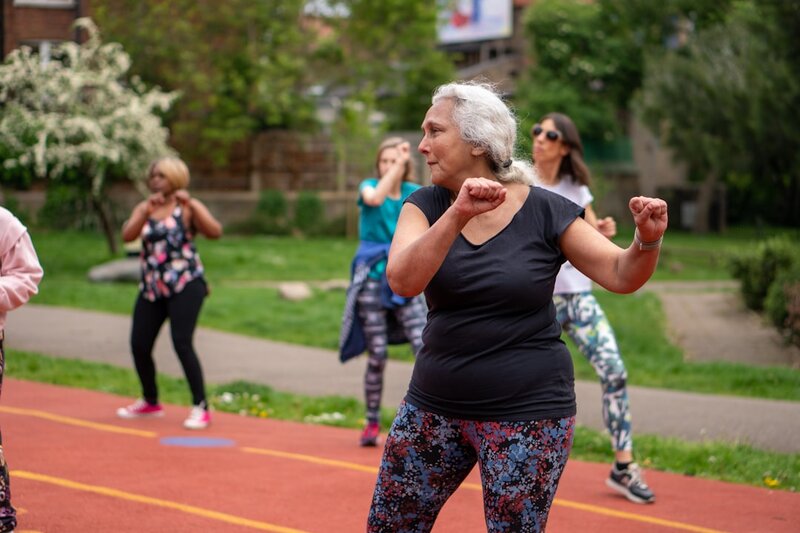
📷 Photo by Centre for Ageing Better on Unsplash