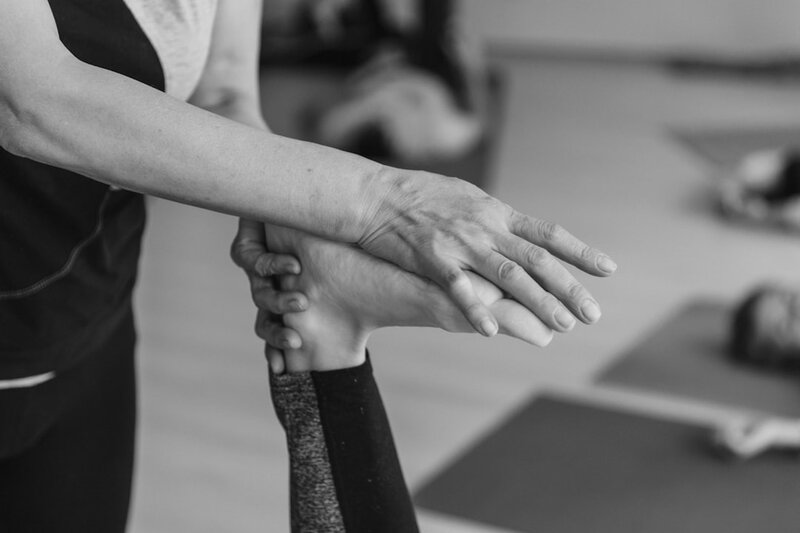
Whether you’re recovering from a fall, managing arthritis pain, or simply want to stay active and independent for as long as possible, physiotherapy is one of the most effective — and underused — tools in healthy ageing. In Ireland, physiotherapists work across HSE community services, hospitals, and private practice to help people move better, manage pain, and maintain their independence well into later life.
TL;DR
- Physiotherapy helps older adults stay mobile, manage pain, prevent falls, and recover from surgery or illness — it is not just for injuries.
- HSE community physiotherapy is available through GP referral, often free with a Medical Card or GP Visit Card, though waiting times vary.
- Evidence shows physiotherapy-led exercise programmes can reduce falls by up to 23% in older adults — a major finding backed by TILDA research on Irish adults over 50.
- Chartered Physiotherapists Ireland (ISCP) can help you find a qualified private physiotherapist if you prefer not to wait.
- Crionna Health recommends physiotherapy as a cornerstone of any healthy ageing plan — ask your GP about a referral today.
What Exactly Does a Physiotherapist Do?
A physiotherapist is a qualified healthcare professional who specialises in movement, function, and physical rehabilitation. In Ireland, chartered physiotherapists complete a four-year degree and are registered with CORU, the Health and Social Care Professionals Council. This means every chartered physiotherapist you see meets nationally regulated standards of practice.
For older adults, physiotherapy goes far beyond treating sports injuries. A physiotherapist can help with:
- Pain management — chronic back pain, arthritis, joint stiffness, and post-surgical discomfort
- Mobility and balance — strengthening muscles, improving coordination, and reducing fall risk
- Rehabilitation — recovery after hip or knee replacement, stroke, heart attack, or a prolonged hospital stay
- Respiratory health — breathing exercises for COPD, post-COVID recovery, or after chest surgery
- Neurological conditions — Parkinson’s disease, multiple sclerosis, and post-stroke movement difficulties
- Continence — pelvic floor strengthening for bladder or bowel issues
In short, if it involves how your body moves — or doesn’t — a physiotherapist can likely help.
Why Physiotherapy Matters More as We Age
As we get older, we naturally lose muscle mass (a process called sarcopenia), our joints stiffen, and our balance can become less reliable. Research from the Irish Longitudinal Study on Ageing (TILDA) at Trinity College Dublin has shown that one in three adults over 65 in Ireland experiences a fall each year, and falls are the leading cause of injury-related hospital admissions among older adults.
The good news? Many of these changes are not inevitable. Targeted physiotherapy — particularly programmes that include strength training, balance work, and flexibility exercises — can significantly slow or even reverse age-related decline. A landmark Cochrane review found that exercise programmes designed by physiotherapists reduce the rate of falls by approximately 23%. That is a meaningful difference, especially when a single fall can lead to a fracture, a hospital stay, and a lasting loss of confidence.
Physiotherapy also plays a crucial role in managing chronic conditions. Ireland’s Chronic Disease Management (CDM) Programme, delivered through GPs and allied health professionals, recognises the value of physiotherapy in helping people live well with conditions like COPD, diabetes, and cardiovascular disease. If you’re living with a long-term condition, physiotherapy may already be part of your care pathway — it’s worth asking your GP.
How to Access Physiotherapy in Ireland
HSE Community Physiotherapy
The HSE provides community-based physiotherapy services across Ireland. To access these services, you typically need a referral from your GP or hospital consultant. If you hold a Medical Card or GP Visit Card, HSE physiotherapy services are provided free of charge.
It’s important to be upfront about waiting times: demand for HSE physiotherapy often exceeds supply, and waiting lists can range from a few weeks to several months depending on your area. If you’re placed on a waiting list, ask your GP whether there are interim steps you can take — such as a home exercise programme or a community-based exercise class — to keep you moving while you wait.
Some HSE areas also run specialist physiotherapy programmes, including:
- Falls prevention clinics — group or individual programmes focused on balance, strength, and confidence
- Cardiac rehabilitation — structured exercise after a heart event, often led by physiotherapists
- Pulmonary rehabilitation — for people with COPD or other chronic lung conditions
- Post-surgical rehabilitation — particularly after hip or knee replacements
Private Physiotherapy
If you prefer not to wait or want more frequent sessions, private physiotherapy is widely available. A typical session costs between €50 and €80, though prices vary by location. Many private health insurers cover a set number of physiotherapy sessions per year — check your policy or contact your insurer.
To find a qualified chartered physiotherapist near you, use the Find a Physio directory on the Irish Society of Chartered Physiotherapists (ISCP) website. Always check that your physiotherapist is registered with CORU.
You can also claim tax relief on physiotherapy costs through Revenue’s med1 form, provided the physiotherapist is CORU-registered. This gives you back 20% of the cost — a small but worthwhile saving over a course of treatment.
What to Expect at Your First Appointment
If you’ve never seen a physiotherapist before, it can help to know what to expect. At your first appointment, the physiotherapist will:
- Ask about your medical history, current symptoms, medications, and what you’d like to achieve
- Carry out a physical assessment — looking at how you move, your strength, balance, flexibility, and any painful areas
- Develop a personalised treatment plan, which may include hands-on therapy, specific exercises, advice on posture or equipment, and goals to work towards
Wear comfortable, loose-fitting clothing so the physiotherapist can assess and treat you easily. Bring a list of your medications and any recent scans or test results if you have them.
Most importantly, be honest about what you can and can’t do. A good physiotherapist will meet you where you are — not where they think you should be.
Physiotherapy at Home
For those who find it difficult to travel, some HSE community physiotherapy teams offer home visits, particularly for people who are housebound or have recently been discharged from hospital. Your GP can arrange this through the local HSE Primary Care Team.
Many physiotherapists also provide a home exercise programme — a set of exercises tailored to your needs that you can do independently between appointments. Consistency with these exercises is often where the real progress happens. Even 10 to 15 minutes a day can make a meaningful difference to your strength, balance, and confidence over time.
Physiotherapy and Mental Wellbeing
It’s worth noting that the benefits of physiotherapy extend beyond the physical. Pain, reduced mobility, and loss of independence can all take a toll on mental health. Research consistently shows that structured physical activity — the kind a physiotherapist prescribes — improves mood, reduces anxiety, and supports cognitive function.
Group physiotherapy classes, such as falls prevention programmes or cardiac rehab, also offer valuable social connection. For many older adults, these sessions become a regular part of the week — a chance to meet others, share experiences, and build confidence together.
When Should You See a Physiotherapist?
You don’t need to wait for a crisis. Physiotherapy is most effective when it’s proactive rather than reactive. Consider asking your GP for a referral if you:
- Have noticed your balance isn’t what it used to be
- Are experiencing persistent joint or muscle pain
- Have had a fall or near-miss, even if you weren’t injured
- Are recovering from surgery, illness, or a hospital stay
- Want to start exercising but aren’t sure what’s safe for you
- Are living with a chronic condition and want to stay as active as possible
At Críonna Health, we believe physiotherapy deserves a central place in every healthy ageing plan. It’s not a luxury or a last resort — it’s a practical, evidence-based way to keep doing the things that matter to you.
Key Takeaways
- Physiotherapy helps with far more than injuries — it supports mobility, pain management, falls prevention, and recovery from illness or surgery.
- HSE community physiotherapy is available through GP referral and is free with a Medical Card or GP Visit Card.
- Private physiotherapy is widely available, often covered by health insurance, and eligible for tax relief.
- You don’t need to wait for a problem — proactive physiotherapy can help prevent issues before they arise.
- Ask your GP about a physiotherapy referral, or find a chartered physiotherapist through the ISCP’s Find a Physio directory.
📷 Photo by Raspopova Marina on Unsplash