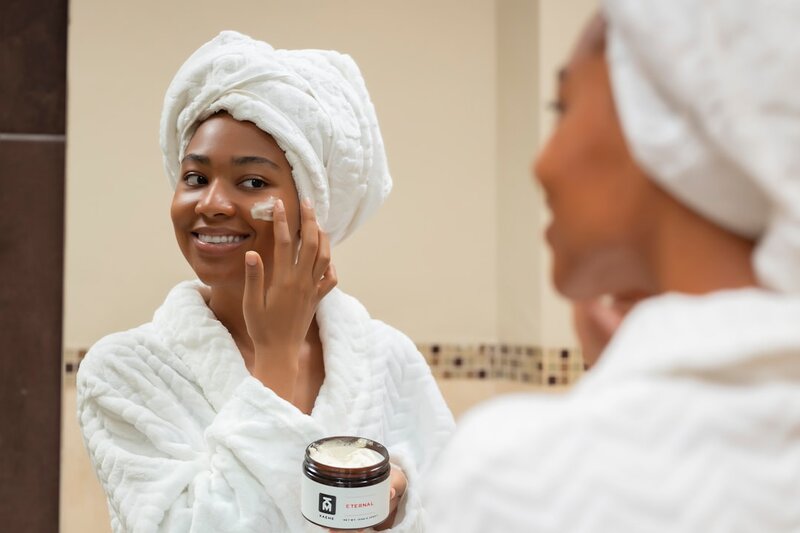
If you’ve noticed your skin feeling tighter, itchier, or more easily irritated than it used to, you’re far from alone. Skin changes are one of the most common — yet most overlooked — aspects of ageing. For many people over 50, what starts as occasional dryness can progress to persistent eczema or dermatitis that affects comfort, sleep, and quality of life. The good news? With a few practical adjustments, most skin conditions can be managed well at home — and your GP or pharmacist can help when they can’t.
TL;DR
- Skin naturally becomes drier and more fragile after 50 due to reduced oil production and a thinner skin barrier
- Eczema and contact dermatitis are common in older adults and often linked to medications, fragrances, or environmental irritants
- A consistent moisturising routine using fragrance-free emollients is the single most effective strategy
- See your GP if itching disrupts sleep, skin becomes infected, or a rash persists beyond two weeks
- In Ireland, the CDM Programme, medical card, and DTBS can help cover the cost of treatments and GP visits
Why Does Skin Change After 50?
As we age, several things happen beneath the surface. The skin produces less sebum (natural oil), collagen production slows, and the outermost layer — the stratum corneum — becomes thinner and less effective at retaining moisture. Research from the Irish Longitudinal Study on Ageing (TILDA) confirms that skin complaints increase significantly from the mid-50s onwards, with dryness, itching, and dermatitis among the most frequently reported concerns.
Hormonal changes play a role too. For women, the drop in oestrogen around menopause accelerates moisture loss and can trigger or worsen eczema. For men, gradual testosterone decline contributes to thinner, more fragile skin. These aren’t signs of neglect — they’re natural biological processes that simply require a shift in how we care for our skin.
Eczema After 50: It’s More Common Than You Think
Many people associate eczema with childhood, but it can appear for the first time in later life — or return after decades of remission. Late-onset eczema (also called atopic dermatitis) tends to present differently in older adults: it often affects the hands, lower legs, and trunk rather than the classic elbow and knee creases seen in children.
Common triggers for eczema flare-ups after 50 include:
- Medications — statins, diuretics, calcium channel blockers, and certain antibiotics can cause or worsen skin dryness
- Central heating and low humidity — particularly problematic in Irish winters
- Fragranced products — soaps, shower gels, fabric softeners, and even some “sensitive skin” products contain irritants
- Hard water — many areas of Ireland have hard water, which can strip moisture from the skin
- Reduced mobility — if reaching certain body areas becomes difficult, those areas may not be moisturised consistently
Contact Dermatitis: When Your Skin Reacts
Contact dermatitis — a localised skin reaction to something that touches the skin — becomes more common with age as the skin barrier weakens. There are two types:
Irritant contact dermatitis is caused by repeated exposure to substances that damage the skin, such as washing-up liquid, cleaning products, or even water itself (from frequent handwashing). It’s especially common among older adults who do a lot of housework or gardening.
Allergic contact dermatitis occurs when the immune system reacts to a specific substance — nickel, rubber, preservatives in creams, or fragrances. Interestingly, you can develop new allergies at any age, so a product you’ve used for years can suddenly become a problem.
If you notice a rash that appears in a specific pattern — around a watch strap, under a plaster, or where a cream was applied — contact dermatitis is likely. Your GP can refer you for patch testing through the HSE dermatology service to identify the culprit.
A Practical Skin Care Routine for Over 50s
The cornerstone of managing dry skin, eczema, and dermatitis is regular moisturising. Dermatologists call this “emollient therapy,” and it’s remarkably effective when done consistently.
Daily essentials
- Use a fragrance-free emollient — products like Epaderm, Cetraben, or Doublebase are available over the counter and on prescription. Apply generously after bathing and at least once more during the day
- Wash with a soap substitute — aqueous cream or emulsifying ointment used as a cleanser is far gentler than soap or shower gel
- Pat dry, don’t rub — and apply moisturiser within three minutes of bathing to lock in moisture
- Keep baths and showers lukewarm — hot water strips the skin’s natural oils
- Wear soft, breathable fabrics — cotton and bamboo are kinder to sensitive skin than wool or synthetics
When flare-ups happen
If eczema or dermatitis flares up, your GP may prescribe a short course of topical corticosteroids. These are safe when used as directed — the key is applying the right strength for the right duration. Many people under-use prescribed steroid creams out of worry, which can actually prolong flare-ups. Your pharmacist can show you the fingertip unit method to ensure you’re applying the correct amount.
When to See Your GP
Most dry skin responds well to consistent moisturising. However, you should make an appointment if:
- Itching is disrupting your sleep or daily activities
- The skin is weeping, crusted, or showing signs of infection (warmth, swelling, yellow discharge)
- A rash hasn’t improved after two weeks of good skin care
- You notice a new mole or skin lesion that’s changed in size, shape, or colour
- You suspect a medication may be causing your skin problems
Your GP can review your medications, prescribe appropriate treatments, and refer to the HSE dermatology service if needed. Under the CDM (Chronic Disease Management) Programme, if you have a medical card or GP visit card and are aged 75+, structured skin reviews can form part of your ongoing care.
Irish Supports and Entitlements
Managing a skin condition needn’t be expensive. Here are some supports available in Ireland:
- Medical card holders can get prescribed emollients and topical treatments free of charge
- The Drugs Payment Scheme caps monthly prescription costs at €80 per family
- The HSE Treatment Benefit Scheme (DTBS) provides optical and dental benefits for PRSI contributors — useful if skin conditions are linked to broader health reviews
- Community pharmacists can advise on over-the-counter emollients and demonstrate proper application techniques
- The Irish Skin Foundation (ISF) offers free information, support, and resources for people living with skin conditions — their helpline and website are excellent starting points
Small Changes, Big Difference
Skin health after 50 isn’t about chasing perfection — it’s about comfort. A few minutes spent moisturising each day, swapping to gentler products, and keeping an eye on changes can make an enormous difference to how your skin feels and how well you sleep at night.
At Críonna Health, we believe that every aspect of healthy ageing deserves attention — including the health of your skin. If you’re unsure where to start, your community pharmacist is a brilliant first port of call. And if things aren’t improving, your GP is there to help.