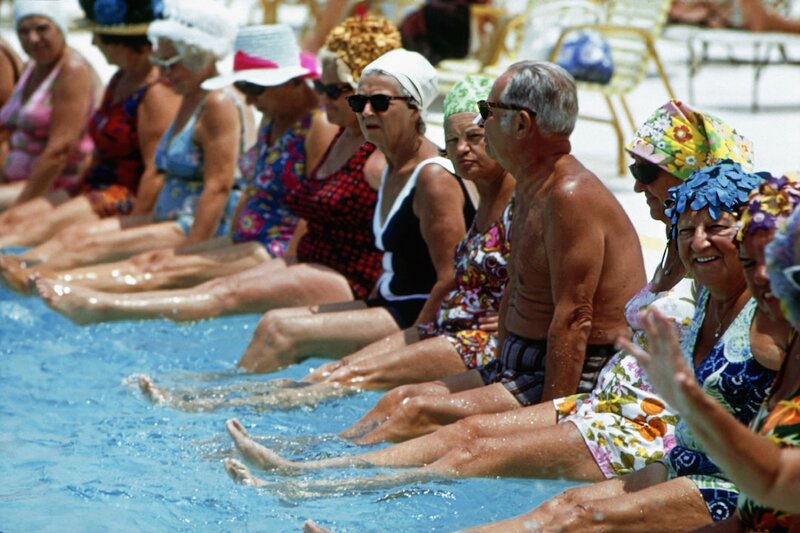
There is something about being in water that calms the mind and invigorates the body. Whether it is a few lengths of your local pool on a Tuesday morning, an aqua aerobics class with friends, or a bracing dip in the Irish Sea, water-based exercise offers some of the best returns on investment for your health after 50. It is gentle on the joints, brilliant for cardiovascular fitness, and — perhaps most importantly — genuinely enjoyable.
Yet many people step away from swimming as they get older, often without a clear reason. If it has been a while since you last took to the water, or if you have never tried, this guide is for you.
TL;DR
- Swimming and water-based exercise are among the safest, most effective forms of physical activity for adults over 50 — low-impact yet high-benefit.
- Water buoyancy reduces stress on joints by up to 90%, making it ideal for those with arthritis, back pain, or mobility limitations.
- Aqua aerobics classes are widely available across Ireland through local authority pools, leisure centres, and community groups.
- Ireland’s open-water swimming culture is thriving, with sea swimming groups in nearly every coastal community welcoming newcomers of all ages.
- Swim Ireland’s Adult Learn to Swim programme caters specifically to adults who never learned or want to rebuild confidence in the water.
Why Water Works So Well After 50
Water is uniquely forgiving. When you stand in a pool at chest depth, your body bears only about 10–20% of its weight. That means joints, bones, and muscles that might protest during a walk or a gym session can move freely and without pain in water. For people managing arthritis, recovering from joint replacement, or living with chronic back pain, this is transformative.
But do not mistake gentle for easy. Swimming is a full-body workout. It strengthens the heart, improves lung capacity, builds muscle, and supports flexibility — all at once. Research from the Irish Longitudinal Study on Ageing (TILDA) consistently highlights the connection between regular physical activity and better outcomes in cardiovascular health, cognitive function, and mental wellbeing for adults over 50. Swimming ticks every one of those boxes.
A 2023 study published in the British Journal of Sports Medicine found that regular swimmers had a 28% lower risk of early death and a 41% lower risk of dying from heart disease or stroke, compared with inactive adults. The benefits held true regardless of the age at which people started.
Getting Started — It Is Never Too Late
One of the most common barriers is simply not knowing where to begin. Here are some practical first steps:
If You Can Already Swim
Most local authority pools and leisure centres across Ireland offer adult lane swimming sessions at quieter times — typically mid-morning on weekdays. These are ideal for easing back in at your own pace. Start with 15–20 minutes and build gradually. There is no need to swim fast; steady, relaxed strokes are more beneficial than exhausting sprints.
If You Cannot Swim or Have Lost Confidence
Swim Ireland runs an Adult Learn to Swim programme through affiliated clubs and pools nationwide. Classes are small, supportive, and specifically designed for adults — you will not be the only one learning. Many participants are in their 50s, 60s, and beyond. Contact your nearest Swim Ireland-affiliated club or check swimireland.ie for details.
If You Have a Health Condition
Speak to your GP before starting, particularly if you have a heart condition, uncontrolled blood pressure, epilepsy, or an open wound. In most cases, your doctor will be delighted you are considering swimming — it is one of the activities most commonly recommended by physiotherapists and GPs for older adults.
Aqua Aerobics: The Social Option
If swimming lengths does not appeal, aqua aerobics might be your thing. These group classes are held in the shallow end of the pool and involve a mix of cardiovascular exercises, resistance movements, and stretching — all performed against the natural resistance of the water.
Aqua aerobics is particularly popular with adults over 50 because:
- It is social — classes build genuine community and many participants become firm friends.
- It is instructor-led — no need to plan your own workout.
- It accommodates all fitness levels — you work at your own intensity.
- It is fun — music, movement, and a bit of craic in the water.
Many local authority leisure centres in Ireland offer aqua aerobics classes specifically for older adults, sometimes branded as “Silver Splash” or “Active Retirement” sessions. Check with your local pool or contact Active Retirement Ireland for groups in your area.
Open-Water Swimming: Ireland’s Thriving Culture
Ireland has seen a remarkable surge in open-water swimming in recent years, and the community is one of the most welcoming you will find. From the Forty Foot in Sandycove to the Ladies’ Beach in Galway, Myrtleville in Cork, and the Guillamene in Tramore, coastal swimming spots are filled year-round with people of all ages.
Many sea swimming groups welcome complete beginners and offer a buddy system so nobody swims alone. The social element — the chat before and after, the shared flask of tea on the pier — is as much a draw as the swim itself.
Safety in Open Water
Open-water swimming requires more caution than pool swimming. Keep these points in mind:
- Never swim alone. Join a local group or swim with a friend.
- Know the conditions. Check tides, currents, and water temperature before you go. Water Safety Ireland (watersafety.ie) provides safety guidance and condition reports.
- Acclimatise gradually. Cold water shock is a real risk, particularly for older adults or those with heart conditions. Start with short dips (2–3 minutes) and build up over weeks.
- Wear a brightly coloured swim cap so you are visible to boats and other swimmers.
- Use a tow float — an inflatable buoy that clips to your waist and makes you visible from shore.
- Get out before you get cold. Hypothermia develops faster in older adults. If you start shivering, exit immediately and warm up slowly.
Finding Facilities Near You
Ireland has an excellent network of public and private swimming pools. Here is how to find what is available:
- Local authority leisure centres — most counties operate at least one public pool with affordable entry. Many offer concession rates for adults over 60.
- Swim Ireland club finder — search by county at swimireland.ie to find affiliated clubs offering adult programmes.
- Sport Ireland — the national sports body maintains a directory of facilities and can point you towards local programmes.
- Active Retirement Ireland — local branches often organise group swimming sessions at discounted rates.
- Local Sports Partnerships (LSPs) — every county has one, and many run subsidised swimming programmes specifically for older adults.
The Mental Health Bonus
The physical benefits of swimming are well documented, but the mental health gains are equally significant. Immersion in water has been shown to reduce cortisol levels, ease symptoms of anxiety and depression, and improve sleep quality. For many regular swimmers, the pool or the sea becomes a form of moving meditation — a break from screens, noise, and the demands of daily life.
TILDA research has shown that social participation and physical activity are two of the strongest predictors of positive mental health in later life. Swimming — particularly in a group setting — delivers both at once.
A Note from Críonna Health
At Críonna Health, we believe that staying active should be enjoyable, not a chore. Swimming and water-based exercise are among the most rewarding ways to look after your body and mind as you age — and it is never too late to start. Whether you are returning to the pool after years away or considering your very first dip, the water is waiting.
If you found this guide helpful, explore more of our healthy ageing resources for practical, evidence-informed advice tailored to life in Ireland.
📷 Photo by Documerica (@documerica) on Unsplash