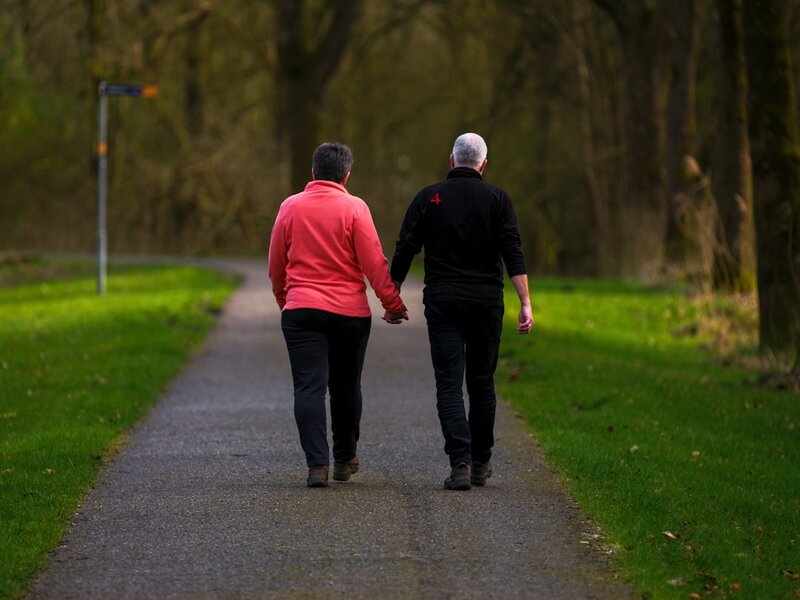
There’s a reason walking is the most popular form of physical activity among adults over 50 in Ireland — and across the world. It requires no special equipment, no gym membership, no particular level of fitness to begin. Whether it’s a stroll through the local park, a brisk loop of the neighbourhood, or a weekend ramble along one of Ireland’s many waymarked trails, walking delivers remarkable health benefits with very little risk of injury.
For those of us in our 50s, 60s, 70s, and beyond, walking isn’t just exercise — it’s medicine. And increasingly, the evidence backs that up.
TL;DR
- Walking for just 30 minutes a day, five days a week, can significantly reduce the risk of heart disease, type 2 diabetes, and stroke in older adults
- Ireland’s Slí na Sláinte trails, Get Ireland Walking initiative, and parkrun events offer free, accessible walking opportunities nationwide
- Walking in groups provides social connection and accountability — both powerful protectors of mental health in later life
- Research from TILDA shows that regular physical activity, including walking, is associated with better cognitive function and reduced risk of depression among Irish adults over 50
- You don’t need to walk fast or far — consistency matters more than intensity, and every step counts
Why Walking Matters More After 50
As we age, our bodies naturally lose muscle mass, bone density, and cardiovascular efficiency. The good news? Walking slows all three of these processes. The World Health Organisation recommends that adults aged 65 and over engage in at least 150 minutes of moderate-intensity aerobic activity per week — and brisk walking is one of the simplest ways to meet that target.
The Irish Longitudinal Study on Ageing (TILDA), based at Trinity College Dublin, has consistently found that physically active older adults in Ireland report better self-rated health, fewer chronic conditions, and lower rates of depression. Walking, being the most accessible form of movement, features prominently in these findings.
But the benefits extend beyond the physical. Walking outdoors exposes you to natural light (important for vitamin D production, especially in Ireland’s climate), helps regulate sleep patterns, and provides opportunities for social interaction — all of which become increasingly important in later life.
How Much Walking Do You Actually Need?
The HSE recommends that adults over 65 aim for at least 30 minutes of moderate activity on five or more days a week. Moderate intensity means you’re slightly breathless but can still hold a conversation — a brisk walk fits perfectly.
If 30 minutes feels like a lot, the evidence is reassuring: three 10-minute walks throughout the day deliver similar benefits to a single 30-minute session. Even short walks after meals have been shown to help manage blood sugar levels, which is particularly relevant for those managing or at risk of type 2 diabetes.
The key is consistency rather than intensity. A daily 20-minute walk, maintained over months and years, will do far more for your health than an occasional long hike followed by weeks of inactivity.
Walking Resources Across Ireland
Slí na Sláinte
The Irish Heart Foundation’s Slí na Sláinte (Path to Health) programme has marked over 300 walking routes across the country. These waymarked trails are found in parks, housing estates, and town centres, with distance markers at regular intervals so you can track your progress. They’re free, accessible, and designed for all fitness levels. You can find your nearest route on the Irish Heart Foundation’s website.
Get Ireland Walking
Sport Ireland’s Get Ireland Walking initiative supports community walking groups in every county. These groups are led by trained volunteers and cater to all abilities, from gentle strolls to more challenging routes. Many groups specifically welcome older adults and offer a sociable, no-pressure environment. The programme also provides resources for starting your own walking group if there isn’t one nearby.
parkrun
While parkrun is often associated with running, a significant proportion of participants walk the 5km course. Every Saturday morning, parkrun events take place in parks across Ireland — completely free, with no registration fee and no time pressure. It’s a wonderful way to combine gentle exercise with community spirit. Many regular parkrunners are in their 60s, 70s, and beyond.
Local Authority Trails and Greenways
Ireland’s network of greenways — including the Great Western Greenway in Mayo, the Waterford Greenway, and the Royal Canal Greenway — offer flat, traffic-free routes ideal for older walkers. Many local authorities also maintain shorter loop walks with benches, level surfaces, and accessible facilities.
Walking for Mental Health
The mental health benefits of walking deserve special attention. Research consistently shows that regular walking reduces symptoms of anxiety and depression, improves mood, and enhances cognitive function. For older adults navigating transitions like retirement, bereavement, or changes in health, a daily walk can provide structure, purpose, and a sense of achievement.
Walking in nature amplifies these benefits. A growing body of evidence supports the concept of “green exercise” — physical activity in natural environments — as particularly beneficial for mental wellbeing. Ireland, with its abundance of parks, coastline, and countryside, is ideally suited to this.
Group walking adds another layer. ALONE Ireland and Active Retirement Ireland both facilitate walking groups that serve as important social lifelines, particularly for those who may be experiencing loneliness or isolation. The combination of gentle exercise, fresh air, and conversation is a powerful tonic.
Staying Safe on Your Walks
Walking is one of the safest forms of exercise, but a few precautions help you get the most from it:
- Footwear matters: Supportive, well-fitting shoes with good grip reduce the risk of slips and falls. If you’re walking on uneven terrain, consider proper walking shoes or boots.
- Start gradually: If you haven’t been active recently, begin with 10-15 minutes and build up over several weeks. There’s no rush.
- Warm up gently: Start at a comfortable pace for the first few minutes before picking up speed.
- Stay visible: In darker months, wear reflective clothing or a high-visibility vest, particularly if walking near roads.
- Mind the weather: In wet conditions, stick to well-maintained paths. In cold weather, layer up and protect your extremities. In warmer months, carry water and wear sun protection.
- Tell someone: If walking alone in more remote areas, let someone know your route and expected return time.
Walking Aids and Accessibility
If balance or mobility is a concern, walking poles (also called Nordic walking poles) can provide additional stability and turn walking into a full-body workout. Many walking groups in Ireland now incorporate Nordic walking, and some physiotherapists recommend it specifically for older adults.
For those who use a walking stick, frame, or wheelchair, many of Ireland’s greenways and Slí na Sláinte routes are accessible. The Disability Federation of Ireland and local authorities can advise on accessible routes in your area.
Making It a Habit
The best walk is the one you actually do. Here are a few practical tips for building walking into your routine:
- Same time, same route: Routine reduces the mental effort of deciding whether to go.
- Walk with someone: A regular walking partner provides accountability and motivation.
- Track your progress: A simple pedometer or smartphone app can be surprisingly motivating.
- Combine it with errands: Walk to the shops, the post office, or the GP surgery when practical.
- Celebrate milestones: Whether it’s your first 5km, your 100th parkrun, or simply a full month of daily walks — acknowledge your achievements.
Where Críonna Health Comes In
At Críonna Health, we believe that healthy ageing starts with small, sustainable steps — quite literally. Walking is one of the most evidence-based, accessible, and enjoyable ways to invest in your health as you grow older. Whether you’re lacing up for the first time in years or looking to add variety to an established routine, the resources available across Ireland make it easier than ever to get moving.
Your GP or physiotherapist can help you develop a walking plan that suits your current fitness level and any health conditions. And if you’re looking for company, a local walking group could be the best decision you make this year.
📷 Photo by Haberdoedas (@haberdoedas) on Unsplash