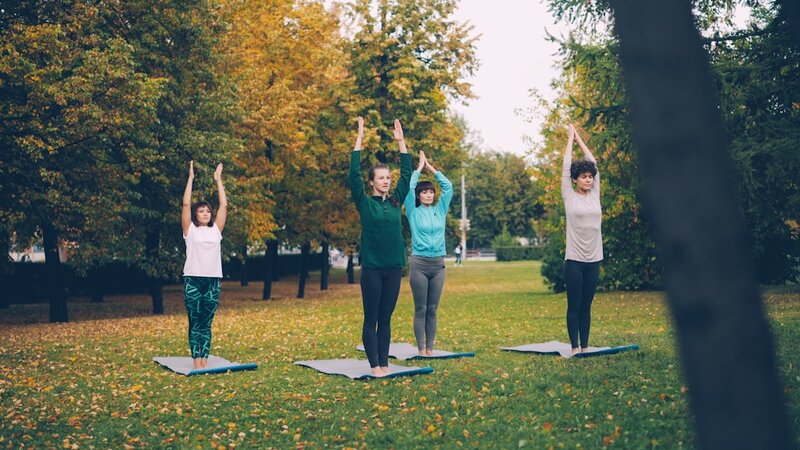
There is something quietly powerful about watching a group of people move together in a park — stretching, breathing, finding their balance. Across Ireland, more and more adults over 50 are discovering that yoga and tai chi offer something no gym session or brisk walk quite matches: a way to strengthen the body while calming the mind, all at a pace that respects where you are right now.
Whether you have never tried either practice or are returning after a break, these mind-body exercises are among the most evidence-backed activities for healthy ageing. And the good news is, you do not need to be flexible, fit, or any particular age to start.
TL;DR
- Yoga and tai chi improve balance, flexibility, strength, and mental wellbeing in adults over 50 — backed by strong research evidence including Irish TILDA data.
- Both practices reduce fall risk significantly, with tai chi shown to lower falls by up to 20% in older adults (WHO guidelines).
- Chair-based and gentle versions make these accessible regardless of mobility level.
- Classes are widely available across Ireland through Active Retirement groups, community centres, local sports partnerships, and online platforms.
- Starting is simple — no special equipment needed, just comfortable clothing and a willingness to try.
Why Mind-Body Exercise Matters After 50
As we age, our bodies change in ways that standard exercise alone does not always address. Muscle mass decreases, joints stiffen, balance becomes less reliable, and stress can accumulate in ways that affect sleep, mood, and overall health. Mind-body exercises like yoga and tai chi work on all of these simultaneously.
The World Health Organisation’s physical activity guidelines specifically recommend balance and functional training — including tai chi — for adults aged 65 and over, at least three days per week. Research consistently shows these practices reduce the risk of falls, one of the most serious health threats facing older adults in Ireland. The Irish Longitudinal Study on Ageing (TILDA) has found that roughly one in three adults over 65 experiences a fall each year, with consequences ranging from fractures to loss of independence.
But the benefits extend well beyond fall prevention. Regular practice has been linked to reduced anxiety and depression, improved sleep quality, better cardiovascular health, and even enhanced cognitive function.
Yoga: More Than Flexibility
When many people think of yoga, they picture young people twisted into impossible shapes. The reality is that yoga is one of the most adaptable forms of exercise available. Chair yoga, gentle yoga, and restorative yoga are specifically designed for people with limited mobility, chronic conditions, or those simply starting out.
For adults over 50, yoga offers particular benefits:
- Joint health: Gentle stretching helps maintain range of motion in hips, shoulders, knees, and spine — areas where stiffness often accumulates with age.
- Bone density: Weight-bearing yoga poses (standing postures, for example) can help maintain bone density, which is particularly relevant given that osteoporosis affects an estimated 300,000 people in Ireland.
- Breathing: Pranayama (breathing exercises) can improve lung capacity and help manage conditions like COPD, which the HSE identifies as a growing concern among older Irish adults.
- Pain management: Multiple studies have found yoga effective for managing chronic lower back pain, arthritis, and fibromyalgia.
- Mental clarity: The combination of movement, breath, and mindfulness has been shown to reduce cortisol levels and improve mood.
Tai Chi: The Art of Moving Meditation
Tai chi, sometimes called “meditation in motion”, originated as a martial art but is now practised worldwide primarily for its health benefits. It involves slow, flowing movements performed with deep breathing and focused attention.
What makes tai chi particularly suited to older adults is its gentleness. There is no jumping, no jarring impact, and every movement can be modified. You can practise it standing or even seated.
The evidence for tai chi in healthy ageing is remarkably strong:
- Fall prevention: A landmark Cochrane review found tai chi reduces the rate of falls in older adults by approximately 20%. This is why it features prominently in the HSE’s falls prevention guidance.
- Balance and confidence: Regular practice improves both physical balance and the confidence to move — which matters enormously, because fear of falling can itself become a barrier to staying active.
- Blood pressure: Research published in the Journal of the American Heart Association found tai chi more effective than aerobic exercise at lowering blood pressure in adults with pre-hypertension.
- Cognitive health: Studies suggest tai chi may slow cognitive decline and improve executive function, with some researchers describing it as a form of “cognitive exercise” because of the concentration required to learn and perform the sequences.
Getting Started in Ireland
One of the best things about both yoga and tai chi is how little you need to begin. Comfortable clothing, bare feet (for yoga) or flat shoes (for tai chi), and an open mind are genuinely all the equipment required.
Here are some practical ways to find classes near you:
- Active Retirement Ireland: Many of the 500+ Active Retirement groups across the country offer yoga and tai chi as part of their regular programmes. Check activeretirementireland.com for your nearest group.
- Local Sports Partnerships (LSPs): Every county has a Local Sports Partnership that runs subsidised activity programmes for older adults, often including yoga and tai chi. These are typically low-cost or free.
- Community centres and parish halls: Many local community centres host weekly classes. Your local library or Citizens Information office can point you in the right direction.
- Age & Opportunity: Their Go for Life programme supports physical activity among older adults and can help you find suitable activities in your area.
- Online options: If getting to a class is difficult, platforms like YouTube offer free gentle yoga and tai chi sessions you can follow at home. Look for instructors who specialise in older adults or beginners.
Tips for Your First Class
Starting something new can feel daunting, particularly if you have not exercised regularly. Here are a few things worth knowing:
- Talk to your GP first if you have any chronic conditions, recent surgeries, or concerns about balance. They will almost certainly encourage you, but may suggest specific modifications.
- Start gentle. Look for classes labelled “beginner”, “gentle”, or “chair-based”. A good instructor will always offer modifications.
- There is no competition. Both yoga and tai chi are personal practices. Nobody is watching to see how far you can stretch or how steady you are.
- Consistency beats intensity. Even 15-20 minutes a few times a week can make a noticeable difference within a month. You do not need hour-long sessions to benefit.
- Bring a friend. Having company makes the first session less intimidating and gives you both a reason to keep going.
What Críonna Health Recommends
At Críonna Health, we believe that the best exercise is the one you actually enjoy doing — and for many people over 50, yoga and tai chi tick that box in ways that higher-impact activities do not. They meet you where you are. They build strength without strain. And they offer something increasingly rare in modern life: a chance to slow down, breathe, and be present in your body.
If you are considering trying either practice, there has never been a better time. Classes are more accessible than ever, instructors are increasingly trained to work with older adults, and the evidence for the benefits only continues to grow.
Your body will thank you. And so, very likely, will your mind.
📷 Photo by Vitaly Gariev on Unsplash