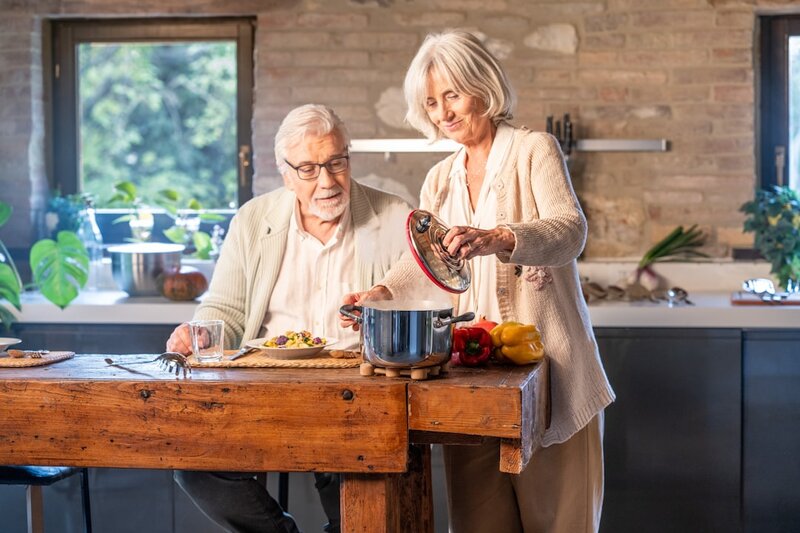
There’s a common misconception that eating well after 50 has to cost a fortune — all superfoods and specialist supplements. The truth is rather different. With a little planning and some smart shopping, you can eat brilliantly on a modest budget. In fact, some of the healthiest foods going are among the cheapest.
Whether you’re living on a pension, managing a reduced income after retirement, or simply watching the weekly shop more carefully, this guide is for you. We’ll look at practical strategies for eating well without breaking the bank — with an Irish focus throughout.
TL;DR
- Healthy eating after 50 doesn’t have to be expensive — staples like oats, beans, eggs, and frozen vegetables are among the most nutritious and affordable foods available
- Meal planning and batch cooking can reduce food waste by up to 30%, saving Irish households hundreds of euro each year
- Community Meals on Wheels programmes operate across Ireland, offering affordable or subsidised hot meals for older adults
- TILDA research shows many Irish adults over 50 have suboptimal nutrition, often linked to practical barriers rather than lack of knowledge
- Simple swaps — own-brand products, seasonal produce, cooking from scratch — can cut your food bill significantly while improving your diet
Why Nutrition Matters Even More After 50
As we age, our nutritional needs shift. We often need fewer calories but more of certain nutrients — calcium, vitamin D, B12, fibre, and protein among them. At the same time, changes in appetite, dental health, medication side effects, or simply cooking for one can make healthy eating feel more complicated.
Research from the Irish Longitudinal Study on Ageing (TILDA) has consistently shown that a significant proportion of Irish adults over 50 have inadequate intake of key micronutrients. The good news? Addressing this doesn’t require expensive supplements or exotic ingredients. It starts with everyday food, prepared thoughtfully.
The Budget Staples That Pack a Nutritional Punch
Some of the best foods for healthy ageing are reassuringly affordable. Here are the building blocks of a budget-friendly, nutrient-rich diet:
- Porridge oats — rich in soluble fibre, which helps manage cholesterol. A bag of oats costs under €2 and lasts for weeks.
- Eggs — an excellent source of protein, B12, and vitamin D. Free-range Irish eggs are widely available and still very good value.
- Tinned beans and lentils — high in fibre, protein, and iron. Kidney beans, chickpeas, and lentils are versatile and cost as little as 50c a tin.
- Frozen vegetables — just as nutritious as fresh (often more so, since they’re frozen at peak freshness), and they don’t go off. Bags of frozen peas, spinach, and mixed veg are excellent value.
- Tinned fish — sardines, mackerel, and tuna are rich in omega-3 fatty acids, calcium (if you eat the soft bones), and protein.
- Potatoes — still one of the most nutritious and affordable foods in Ireland. Rich in potassium, vitamin C, and fibre (especially with the skin on).
- Milk and cheese — Irish dairy is world-class and provides calcium, protein, and B vitamins at reasonable cost.
Meal Planning: Your Most Powerful Tool
The single biggest thing you can do to eat well on a budget is plan your meals. It might sound obvious, but research consistently shows that households that plan meals waste significantly less food — and the Environmental Protection Agency (EPA) estimates that Irish households throw away approximately €700 worth of food each year.
A simple approach:
- Plan five or six evening meals for the week (leave a night or two for leftovers).
- Write a shopping list and stick to it. Impulse buys are the biggest drain on a food budget.
- Check what you already have in the fridge, freezer, and cupboard before you shop.
- Cook once, eat twice — make a larger batch of soup, stew, or casserole and freeze portions for later in the week.
Batch cooking is particularly useful if you’re cooking for one or two. A big pot of vegetable soup costs very little to make, provides several meals, and is packed with fibre and vitamins.
Smart Shopping Tips for the Irish Context
A few habits that can make a real difference to your weekly shop:
- Own-brand products are often identical to branded versions but significantly cheaper. SuperValu, Tesco, Dunnes, Aldi, and Lidl all have strong own-brand ranges.
- Shop seasonally — Irish-grown produce is cheapest (and freshest) when it’s in season. Root vegetables in winter, berries in summer, and leafy greens in spring and autumn.
- Reduced-price sections — most supermarkets reduce items approaching their best-before date. These are perfectly good and can be frozen immediately.
- Local markets and greengrocers — often cheaper than supermarkets for fruit and vegetables, and you’re supporting local producers.
- Avoid pre-prepared meals and snacks — they cost far more per portion than cooking from scratch and are typically higher in salt, sugar, and fat.
Community Supports You Might Not Know About
Ireland has a number of supports that can help with food costs and nutrition:
- Meals on Wheels — operated by local community groups and the HSE across the country, providing hot, nutritious meals delivered to your door, often at subsidised rates. Contact your local HSE office to find out what’s available in your area.
- Community kitchens and lunch clubs — many Active Retirement groups, parish halls, and community centres run regular communal meals. These are social as well as nutritional — combating isolation while ensuring a good hot meal.
- FoodCloud — this Irish charity redistributes surplus food from retailers to community groups. Check if a FoodCloud partner operates near you.
- St Vincent de Paul — can assist with food costs if you’re in financial difficulty, and many conferences operate food banks or food voucher schemes.
- The Household Benefits Package — while not directly food-related, the electricity/gas allowance frees up money that can go towards better nutrition. Available to those over 70 (or over 66 with qualifying conditions).
Cooking for One: Keeping It Simple and Enjoyable
One of the most common challenges for older adults living alone is the motivation to cook a proper meal “just for yourself.” This is entirely understandable — but eating well is one of the most important things you can do for your health, and you deserve a good meal whether you’re cooking for one or ten.
Some practical ideas:
- Invest in a slow cooker — they’re cheap to buy and run, and you can make soups, stews, and casseroles with minimal effort. Perfect for batch cooking.
- Keep a well-stocked store cupboard — tins of tomatoes, beans, coconut milk, pasta, rice, spices, and stock cubes mean you always have the makings of a meal.
- Make mealtimes enjoyable — set the table, listen to the radio, eat at the table rather than in front of the television. Small rituals make a difference.
- Consider cooking with others — invite a friend or neighbour for a shared meal, or join a community cooking group. Many Men’s Sheds and Active Retirement groups now include cookery sessions.
A Sample Budget-Friendly Day
Here’s what a day of healthy eating on a budget might look like:
- Breakfast: Porridge with a sliced banana and a drizzle of honey. Glass of milk. (~€0.50)
- Lunch: Homemade vegetable soup with a slice of wholemeal bread and butter. (~€0.80)
- Dinner: Baked potato with tinned tuna, sweetcorn, and a side of frozen peas. (~€1.50)
- Snack: A couple of digestive biscuits with a cup of tea. (~€0.20)
Total: approximately €3 for a full day’s eating. Nutritious, filling, and entirely achievable.
Where Críonna Health Comes In
At Críonna Health, we believe that good nutrition is one of the cornerstones of healthy ageing — and that it should be accessible to everyone, regardless of income. Our articles on nutrition, supplements, and preventive health are designed to give you practical, evidence-informed guidance you can act on today.
Eating well doesn’t have to be complicated or expensive. Start with one small change this week — plan tomorrow’s meals tonight, try a new batch-cooking recipe, or swap one processed snack for a piece of fruit. Your future self will thank you.
📷 Photo by Md Ishak Raman on Unsplash