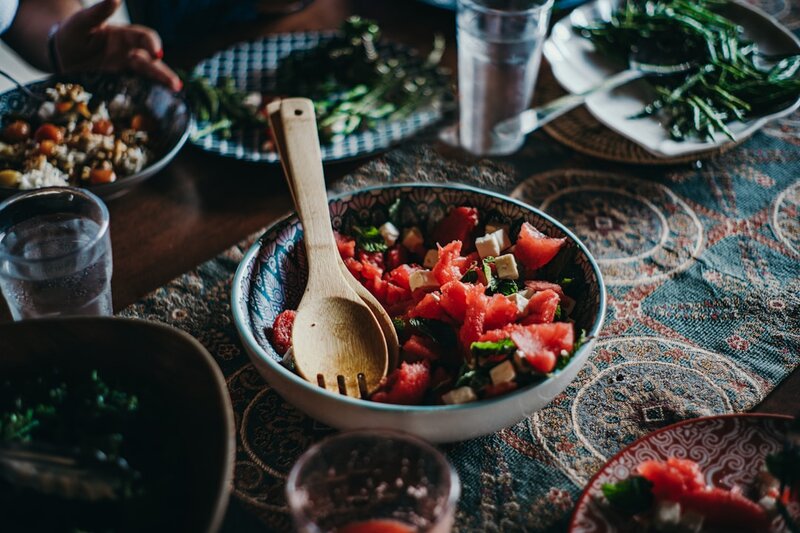
If you could make one change to your daily routine that would protect your heart, sharpen your mind, strengthen your bones, and even help you live longer, would you do it? For many researchers and health professionals, the answer is remarkably simple: eat more like the people around the Mediterranean.
The Mediterranean diet is not a fad or a strict meal plan. It is a way of eating — rich in vegetables, fruits, wholegrains, olive oil, fish, and legumes — that has been studied more thoroughly than almost any other dietary pattern in the world. And the evidence, particularly for people over 50, is striking.
TL;DR
- The Mediterranean diet is the most evidence-backed dietary pattern for healthy ageing, reducing heart disease risk by up to 30% and supporting brain health after 50.
- It emphasises vegetables, fruits, wholegrains, olive oil, fish, nuts, and legumes — with moderate dairy and limited red meat and processed food.
- TILDA research shows many older adults in Ireland do not meet recommended intakes for key nutrients the Mediterranean diet provides, including fibre, omega-3 fatty acids, and antioxidants.
- You do not need to abandon Irish food — porridge, salmon, root vegetables, and seasonal berries all fit beautifully within Mediterranean principles.
- The HSE Healthy Eating Guidelines and INDI dietitians can support anyone looking to make gradual, sustainable dietary changes after 50.
What Exactly Is the Mediterranean Diet?
The term was first coined in the 1960s when researchers noticed that people living in southern Italy, Greece, and Crete had remarkably low rates of heart disease compared to those in northern Europe and the United States. The common thread was not a single food, but a pattern of eating built around:
- Plenty of vegetables and fruit — at least five portions daily, ideally more
- Wholegrains — brown bread, oats, barley, brown rice
- Olive oil — as the primary source of fat, used for cooking and dressings
- Fish and seafood — at least twice a week, especially oily fish like salmon, mackerel, and sardines
- Legumes, nuts, and seeds — beans, lentils, chickpeas, almonds, walnuts
- Moderate dairy — particularly yoghurt and cheese
- Herbs and spices — for flavour instead of salt
- Limited red meat — once or twice a week at most
- Very little processed food, refined sugar, or ultra-processed snacks
It is not about perfection. It is about shifting the balance of what you eat, gradually, towards more plants, more healthy fats, and fewer processed foods.
Why It Matters More After 50
As we age, our bodies change in ways that make good nutrition more important than ever. Metabolism slows, muscle mass naturally decreases (a process called sarcopenia), bone density reduces, and the immune system becomes less responsive. The Mediterranean diet addresses many of these changes directly.
Heart Health
The landmark PREDIMED trial — one of the largest nutrition studies ever conducted — found that a Mediterranean diet supplemented with extra virgin olive oil or nuts reduced the risk of major cardiovascular events by approximately 30% in people at high risk. For older adults in Ireland, where cardiovascular disease remains the leading cause of death, this is hugely significant. The Irish Heart Foundation actively recommends dietary patterns aligned with Mediterranean principles.
Brain Health and Cognitive Function
Several large studies, including the MIND diet trial (a hybrid of Mediterranean and DASH diets), have found that Mediterranean-style eating is associated with slower cognitive decline and a reduced risk of Alzheimer’s disease. The omega-3 fatty acids from oily fish, the antioxidants from colourful vegetables, and the polyphenols from olive oil all appear to play protective roles. Research from TILDA has highlighted that nutritional deficiencies — particularly in vitamin D, B12, and folate — are common among older adults in Ireland, and a Mediterranean approach helps address these gaps.
Bone and Joint Health
The anti-inflammatory properties of the Mediterranean diet may help protect against osteoporosis and arthritis — both of which become more common after 50. The diet’s emphasis on calcium-rich foods (yoghurt, leafy greens, tinned fish with bones), vitamin D, and anti-inflammatory omega-3s supports bone density and may ease joint stiffness.
Gut Health
The high fibre content from vegetables, fruits, wholegrains, and legumes feeds beneficial gut bacteria. A healthy gut microbiome is increasingly linked to everything from immune function to mood regulation — both of which matter more as we age.
Longevity
A 2023 meta-analysis published in the British Medical Journal found that higher adherence to the Mediterranean diet was associated with a 25% reduction in all-cause mortality. In practical terms: people who ate this way tended to live longer and with fewer years of disability.
Adapting It to Irish Life
One of the most common objections is: “That’s all well and good for people in sunny Greece, but I live in Ireland.” The truth is, Irish food fits remarkably well within Mediterranean principles. You do not need to start importing sun-dried tomatoes by the crate.
Irish Foods That Are Already Mediterranean-Friendly
- Porridge oats — one of the best wholegrains available, and deeply Irish
- Atlantic salmon, mackerel, and sardines — Ireland has world-class oily fish, fresh and tinned
- Root vegetables — carrots, parsnips, turnips, and beetroot are packed with nutrients
- Cabbage, kale, and broccoli — Irish staples that are nutritional powerhouses
- Brown soda bread — a wholegrain tradition
- Seasonal berries — Irish strawberries, raspberries, and blackberries (free from the hedgerows in autumn!)
- Beans and lentils — affordable, available in every supermarket, and excellent in soups and stews
- Natural yoghurt — widely available from Irish producers
The main shift for many Irish people is increasing the use of olive oil (in place of butter for cooking and dressings), eating more legumes, reducing processed meats, and making vegetables the centrepiece of the plate rather than the side.
Practical Tips for Getting Started
You do not need to overhaul your diet overnight. Small, sustainable changes make the biggest difference over time.
- Start with one swap a day. Replace a white bread sandwich with wholegrain. Drizzle olive oil on your salad instead of mayonnaise. Add a tin of chickpeas to your soup.
- Aim for two fish meals a week. Tinned salmon or mackerel counts — it does not need to be fresh. A tin of sardines on brown toast is a quick, affordable, Mediterranean-style lunch.
- Build meals around vegetables. Try to fill half your plate with vegetables or salad at lunch and dinner.
- Snack on nuts. A small handful of unsalted almonds or walnuts makes a far better afternoon snack than biscuits or crisps.
- Cook from scratch when you can. Even simple meals — a vegetable stir-fry with olive oil, a lentil soup, scrambled eggs with spinach — are healthier than most ready meals.
- Use herbs and spices freely. Garlic, turmeric, rosemary, thyme, and black pepper add flavour without salt.
- Enjoy meals with others when possible. The social aspect of Mediterranean eating — sharing food, taking time over meals — is part of what makes it beneficial.
Affordability and Access
There is a common perception that healthy eating is expensive. While some Mediterranean staples like extra virgin olive oil and fresh fish can be pricier, the core of the diet — beans, lentils, oats, seasonal vegetables, tinned fish — is among the most affordable food available.
For older adults in Ireland on a fixed income, several supports can help:
- The Household Benefits Package does not cover food directly, but freeing up utility costs can help with the grocery budget.
- Community meals and lunch clubs — run by organisations like Active Retirement Ireland, Men’s Sheds, and local community centres — provide nutritious food and social connection.
- The HSE CDM Programme (Chronic Disease Management) includes access to INDI-registered dietitians through your GP, at no extra cost, if you have a medical card or GP visit card.
- Meals on Wheels services, available through the HSE and local voluntary organisations, provide hot, nutritious meals delivered to your door.
A Word of Caution
The Mediterranean diet is suitable for most people, but if you are managing a specific condition — diabetes, kidney disease, coeliac disease, or taking warfarin or other medications that interact with certain foods — it is worth speaking with your GP or a registered dietitian before making significant changes. The Irish Nutrition and Dietetic Institute (INDI) maintains a list of private dietitians at indi.ie, and HSE community dietitians are available through GP referral.
Where Críonna Health Comes In
At Críonna Health, we believe that healthy ageing is not about restriction — it is about making informed choices that help you live well for longer. The Mediterranean diet is one of the most accessible, enjoyable, and well-evidenced ways to do exactly that. Whether you are 50 or 80, it is never too late to start making small changes that add up to a healthier, more vibrant life.
If you found this guide helpful, explore our other articles on healthy ageing, nutrition for healthy ageing, and protein needs after 50.
📷 Photo by Frames For Your Heart on Unsplash