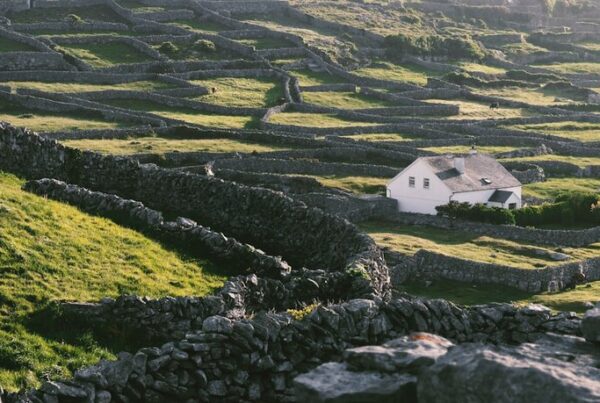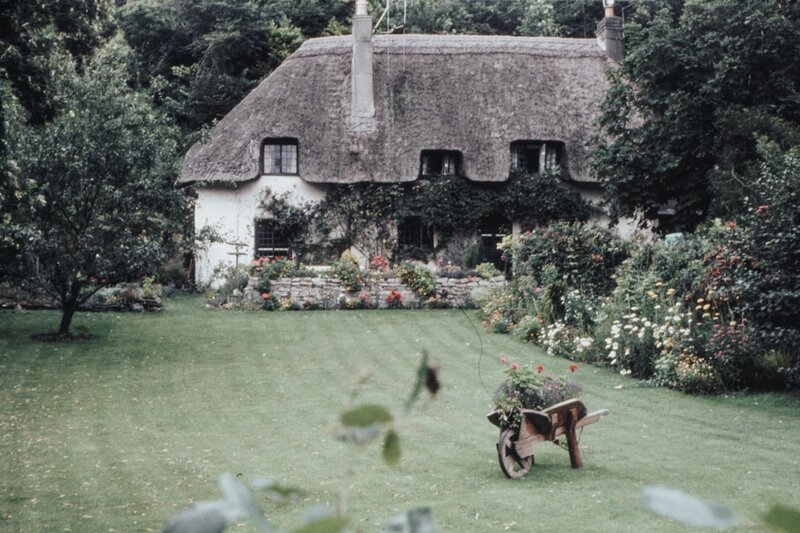
For many of us, the family home is more than bricks and mortar — it’s decades of memories, a neighbourhood we know by heart, and a sense of belonging that’s hard to put a price on. But as we move through our 50s, 60s, and beyond, our housing needs can shift in ways we didn’t always anticipate. Stairs become steeper, a large garden becomes harder to manage, or the house simply feels too big once children have moved on.
The good news is that Ireland’s housing landscape for older adults has never been more varied. Whether you want to stay put with a few adaptations, move to a purpose-built community, or explore something entirely new, there are real options — and real supports — available to you.
TL;DR
- Older adults in Ireland have a growing range of housing options beyond the traditional family home, from sheltered housing to co-living.
- The Housing Adaptation Grant for Older People and People with a Disability can fund up to €30,000 in home modifications through your local authority.
- Retirement villages and sheltered housing offer independent living with on-site supports and social connection.
- Co-housing and age-friendly housing initiatives are emerging across Ireland, backed by local authorities and Age Friendly Ireland.
- The right housing choice depends on health, social needs, finances, and personal preference — and it’s never too early to start exploring.
Staying Put: Making Your Current Home Work
For many older adults, the preferred option is to remain at home — and with the right support, this is entirely achievable. The HSE and local authorities offer a range of grants and services to help you adapt your home to your changing needs.
The Housing Adaptation Grant for Older People and People with a Disability is one of the most valuable supports available. Administered by your local authority, it can cover up to €30,000 towards essential modifications such as grab rails, stairlifts, level-access showers, wheelchair ramps, and downstairs bedroom conversions. The grant is means-tested, with higher-income applicants contributing more, but for many households it covers a significant portion of the cost.
There’s also the Housing Aid for Older People Scheme, which helps with more general repairs — things like re-roofing, rewiring, plumbing, and window replacement. If your home needs structural work to keep it safe and comfortable, this scheme can make a real difference.
Organisations like ALONE offer practical housing support too, including their Housing with Support service, which helps older adults access appropriate housing and navigate the application process. Their national support line (0818 222 024) is a good starting point if you’re not sure where to begin.
Sheltered Housing: Independence with a Safety Net
Sheltered housing — sometimes called supported housing — offers self-contained apartments or houses within a managed complex, typically with an on-site warden or alarm system. You live independently in your own home, but with the reassurance that help is nearby if you need it.
In Ireland, sheltered housing is provided by local authorities and approved housing bodies (AHBs) such as Respond, Clúid, Tuath, and Fold Ireland. These developments are specifically designed for older adults, with features like level access, emergency pull cords, communal spaces, and — in many cases — organised social activities.
Demand for sheltered housing is high, so waiting lists can be long. It’s worth contacting your local authority’s housing department early to register your interest and understand what’s available in your area. Some AHBs also accept direct applications.
Research from TILDA (The Irish Longitudinal Study on Ageing) has consistently shown that housing quality and suitability are closely linked to physical health, mental wellbeing, and social participation in later life. Moving to appropriate housing isn’t just a practical decision — it can genuinely improve your quality of life.
Retirement Villages: Community-Focused Living
Retirement villages are a relatively newer concept in Ireland, though they’ve been well-established in countries like Australia, the UK, and the Netherlands for decades. These are purpose-built communities of independent homes — usually bungalows or apartments — designed specifically for people over 55 or 60.
What sets retirement villages apart from sheltered housing is the emphasis on community and lifestyle. Many offer shared amenities like gardens, social rooms, exercise facilities, and organised activities. Residents own or lease their property and live independently, but benefit from a ready-made social network and a sense of neighbourhood.
In Ireland, several retirement village developments have emerged in recent years, particularly in Leinster and Munster. Prices vary significantly depending on location and specification, so it’s important to get independent financial and legal advice before committing. Check whether there are management fees, what happens if you need to move to a higher level of care, and what your rights are under the lease or purchase agreement.
Co-Housing: A Growing Movement
Co-housing is an idea whose time may finally be arriving in Ireland. The model involves a group of people — often older adults — who come together to design and manage a shared living community. Each person or couple has their own private home, but the community shares common spaces such as a kitchen, dining room, garden, or workshop.
The appeal is straightforward: co-housing combats loneliness, reduces living costs, and creates a supportive environment where neighbours genuinely look out for one another. It’s particularly popular among people who want to age in community rather than in isolation.
While co-housing is more established in Scandinavia and the UK, Irish interest is growing. Age Friendly Ireland and several local authorities have explored co-housing as part of their age-friendly strategies. The Land Development Agency has also signalled openness to innovative housing models that serve older populations.
If co-housing appeals to you, connecting with groups like the SOA (Senior Ownerless Accommodation) network or attending Age Friendly Ireland events can help you find like-minded people and practical guidance.
Local Authority Housing and the Housing List
If you’re on a limited income and your current housing is unsuitable, you may be eligible for local authority housing or the Housing Assistance Payment (HAP). Local authorities are required to assess your housing needs and, where appropriate, offer you suitable accommodation.
Under the Housing (Miscellaneous Provisions) Act 2009, local authorities must consider the specific needs of older applicants, including accessibility, proximity to services, and social supports. In practice, this means that older adults may be offered ground-floor or purpose-built accommodation where available.
The Choice-Based Letting (CBL) system, used by some local authorities, allows you to express a preference for specific properties rather than simply waiting for an allocation. Ask your local authority whether CBL operates in your area.
What to Consider Before Making a Move
Choosing a new home in later life is a deeply personal decision, and there’s no single right answer. Here are a few things worth thinking about:
- Health and mobility: Will this home suit you not just now, but in five or ten years? Look for level access, proximity to healthcare, and space for potential adaptations.
- Social connections: Moving away from your existing community can be isolating. Consider whether your new location will offer opportunities to build new friendships — through shared spaces, local clubs, or community groups.
- Finances: Get independent financial advice before making any major housing decision. Factor in ongoing costs like management fees, maintenance, utility bills, and property tax.
- Legal protections: Understand your rights under any lease, licence, or purchase agreement. FLAC (Free Legal Advice Centres) and the Citizens Information Service can help.
- Future care needs: Some housing options offer a pathway to higher levels of care if needed. Others don’t. Ask the question early.
Starting the Conversation
One of the most valuable things you can do is start thinking about housing options before a crisis forces the decision. Talk to your family, visit different types of housing, and explore what’s available in your area. The Citizens Information website (citizensinformation.ie) has a comprehensive section on housing for older people, and your local Age Friendly Programme coordinator can point you towards local supports and developments.
At Críonna Health, we believe that the right home is one that supports your independence, your wellbeing, and your sense of connection. Whatever stage of life you’re at, it’s worth knowing what’s out there — because the more informed you are, the better the choices you can make.
📷 Photo by Annie Spratt on Unsplash