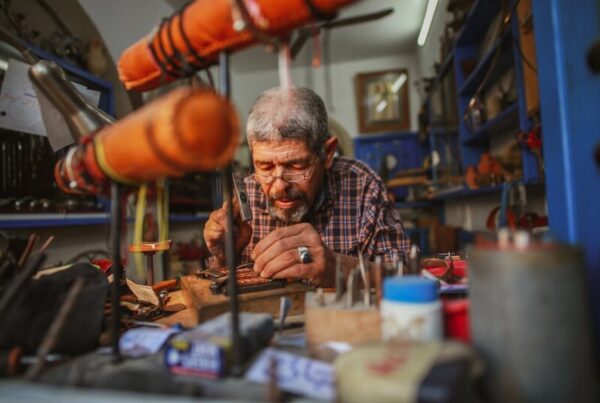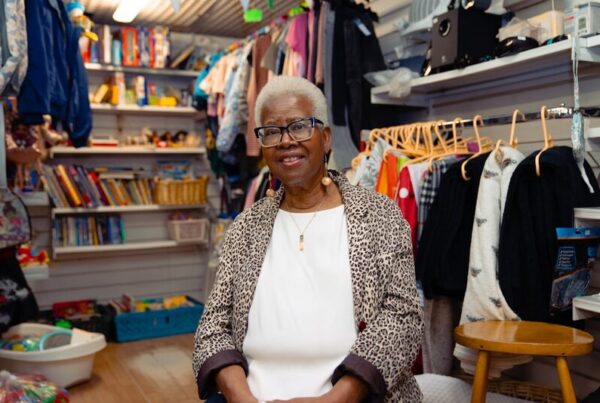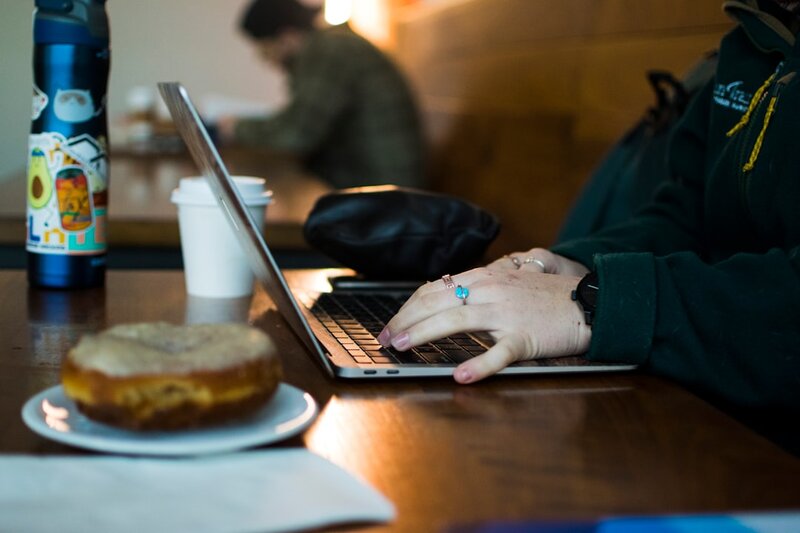
There is a persistent myth that entrepreneurship is a young person’s game — that the best time to launch a venture is in your twenties, fuelled by energy and naivety. The reality is quite different. Research consistently shows that people over 50 are among the most successful entrepreneurs, bringing decades of experience, professional networks, and hard-won wisdom to their ventures. In Ireland, where the population aged 50 and over is growing rapidly, this represents an enormous opportunity — both for individuals seeking purpose and income, and for the wider economy.
Whether you are considering a full-blown business, a consultancy based on your professional expertise, or a creative side project that brings in a bit of extra income, this guide walks you through the practical steps and supports available in Ireland.
TL;DR
- People over 50 are statistically among the most successful entrepreneurs — experience, networks, and financial stability are genuine advantages
- Ireland’s 31 Local Enterprise Offices (LEOs) offer free mentoring, training courses, and grants of up to €80,000 for feasible business ideas
- The Back to Work Enterprise Allowance lets you keep social welfare payments for up to two years while building your business
- Starting small — freelancing, consulting, or a side project — is a low-risk way to test an idea before committing fully
- Age discrimination in business supports is illegal under Irish equality legislation, and many programmes actively welcome older entrepreneurs
Why Over-50s Make Excellent Entrepreneurs
A landmark study from MIT found that the average age of a successful startup founder is 45, not 25. Among the fastest-growing firms, the founders were even older. This makes intuitive sense: decades of work experience mean you understand your industry, your customers, and the pitfalls to avoid. You have professional contacts built over a lifetime. And for many people in their 50s and 60s, financial obligations like mortgages and childcare costs have eased, creating space to take a calculated risk.
In Ireland, the Central Statistics Office reports that self-employment rates among over-50s have been rising steadily. The Irish Longitudinal Study on Ageing (TILDA) has found that older adults who remain engaged in purposeful work — paid or voluntary — report significantly better mental health and cognitive function. Starting a business can be as much about wellbeing as it is about income.
What Could Your Business Look Like?
Not every business needs premises, staff, or a large investment. Some of the most viable ventures for people over 50 include:
- Consultancy or freelancing — leveraging your professional expertise in your former industry. Accountants, HR professionals, engineers, and marketing specialists can often find clients quickly.
- Craft, food, or artisan products — Ireland has a thriving market for locally made goods, from farmers’ markets to online platforms like Etsy and Not On The High Street.
- Tutoring or coaching — sharing knowledge through private tuition, life coaching, or professional mentoring.
- Property and hospitality — Airbnb hosting, bed and breakfast, or property management.
- Online businesses — e-commerce, content creation, or digital services that can be run from your kitchen table.
The key is to start with what you know and what you enjoy. A business that aligns with your skills and interests is far more likely to succeed — and to sustain your motivation through the inevitable challenges.
Your Local Enterprise Office: The First Port of Call
Ireland’s 31 Local Enterprise Offices (LEOs), one in every local authority area, are the single best resource for anyone thinking about starting a business. Their services are free or heavily subsidised, and they are specifically designed for small businesses and sole traders. Here is what they offer:
- Free mentoring — one-to-one sessions with experienced business mentors who can help you refine your idea, write a business plan, and navigate the early stages.
- Training programmes — from Start Your Own Business courses (typically 4–6 weeks) to specialised workshops on digital marketing, bookkeeping, and exporting.
- Feasibility grants — up to €15,000 to help you research whether your idea is viable.
- Priming grants — up to €80,000 (or 50% of eligible costs) for businesses in the manufacturing or internationally traded services sectors.
- Microfinance Ireland — loans from €2,000 to €25,000 for businesses that may not qualify for traditional bank lending, available through your LEO.
To find your nearest LEO, visit localenterprise.ie or call your local authority directly. Walk-in enquiries are welcome — you do not need an appointment to start the conversation.
Financial Supports and Social Welfare
One of the biggest concerns for people over 50 considering self-employment is financial security during the start-up phase. Ireland has several supports designed to bridge this gap:
- Back to Work Enterprise Allowance (BTWEA) — if you are receiving a qualifying social welfare payment, you can keep your payment for up to two years while you establish your business. You must have your business plan approved by your local DSP office and LEO.
- Short-Term Enterprise Allowance (STEA) — similar to the BTWEA but for people receiving Jobseeker’s Benefit, payable for up to the remaining period of your benefit entitlement.
- Enterprise Support Grant — a once-off grant of up to €2,500 available to BTWEA participants for essential start-up costs.
- State Pension considerations — if you are approaching State Pension age, be aware that PRSI contributions as a self-employed person (Class S) count towards your contributory pension. Ensure you are registered with Revenue and paying the correct PRSI class.
It is worth having a conversation with your local Citizens Information Centre or MABS (Money Advice and Budgeting Service) to understand how self-employment might interact with any existing entitlements.
Practical Steps to Get Started
Starting a business in Ireland involves several practical steps, none of which need to be overwhelming:
- Validate your idea — talk to potential customers. Would they pay for what you are offering? How much? Your LEO mentor can help with market research.
- Write a simple business plan — this does not need to be a lengthy document. One or two pages covering your product or service, target market, pricing, and projected costs is a solid start. The LEO Start Your Own Business course walks you through this.
- Choose your business structure — sole trader is the simplest option and suits most small businesses. You can always incorporate later if needed.
- Register with Revenue — you will need a Tax Registration Number. If your turnover will exceed €37,500 (for services) or €75,000 (for goods), you must register for VAT.
- Open a business bank account — keep your personal and business finances separate from day one. This makes tax returns far simpler.
- Get online — even a simple website or social media presence helps. The LEO Trading Online Voucher provides up to €2,500 towards building your online presence.
Upskilling and Digital Confidence
If the digital side of running a business feels daunting, you are not alone — and there is excellent support available. Education and Training Boards (ETBs) across Ireland offer free or low-cost courses in digital skills, from basic computer literacy to social media marketing. Many LEO courses now include digital modules as standard.
Age Action Ireland and ALONE also run digital literacy programmes specifically designed for older adults. There is no shame in starting from scratch — the important thing is that you start.
Your Rights: Age Discrimination Is Illegal
Under Ireland’s Employment Equality Acts and Equal Status Acts, age discrimination in the provision of services — including business supports, banking, and insurance — is illegal. If you feel you have been treated unfairly because of your age when applying for a grant, loan, or business programme, you can make a complaint to the Workplace Relations Commission.
In practice, most business support organisations in Ireland actively welcome older entrepreneurs. Your experience is an asset, not a liability.
Where Críonna Health Fits In
At Críonna Health, we believe that healthy ageing is about far more than physical health — it is about purpose, engagement, and the confidence to try something new. Starting a business or side project can be transformative for your mental wellbeing, cognitive health, and sense of identity. If you are considering this step, we encourage you to explore our guides on stress management after 50, lifelong learning, and staying digitally connected for complementary support.
Taking the First Step
You do not need to have everything figured out before you begin. The most successful late-career entrepreneurs started with a simple question: What do I know, what do I enjoy, and who would pay for it? From there, the supports are in place — mentoring, training, grants, and a growing community of people over 50 who are proving that the best time to start something new might just be now.
Your Local Enterprise Office is waiting to hear from you. The conversation is free, confidential, and could be the most productive hour you spend this year.
📷 Photo by Paul Esch-Laurent (@pinjasaur) on Unsplash