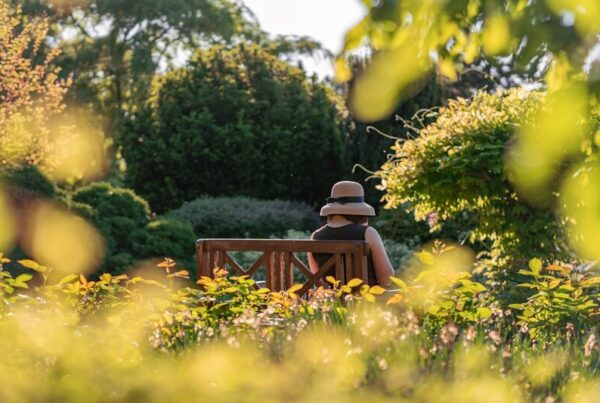
In Ireland, nearly one in three people over the age of 65 lives alone. Whether through bereavement, separation, children moving away, or simply by choice, solo living is one of the most common — and most transformative — experiences of later life. Yet it is rarely discussed as a topic in its own right, separate from loneliness or ageing in place.
The truth is that living alone after 50 can be deeply fulfilling. With the right supports, practical know-how, and social connections, it is entirely possible to thrive on your own — not merely cope. This guide draws on Irish research and local resources to help you or someone you love make the most of independent living.
TL;DR
- Nearly one in three Irish adults over 65 lives alone — it is common and can be deeply rewarding with the right supports in place.
- Practical safety measures such as personal alarms (ALONE, Age Action), Seniors Alert Scheme grants, and simple home adaptations can make solo living safer.
- Routine and structure are key — regular mealtimes, social outings, and physical activity help maintain both physical and mental health.
- Technology tools like video calls, community apps, and medical alert devices help bridge the gap between independence and connection.
- Irish supports including ALONE’s befriending service, Meals on Wheels, Men’s Sheds, Active Retirement Ireland, and Local Link transport are available nationwide.
Why Solo Living Deserves Its Own Conversation
Much of the public discussion around older adults living alone focuses on loneliness and risk. While these are genuine concerns, framing solo living solely through a lens of vulnerability does a disservice to the many people who live independently by choice and with great satisfaction.
Research from the Irish Longitudinal Study on Ageing (TILDA) consistently shows that older adults who maintain strong social networks, stay physically active, and feel in control of their daily lives report high levels of wellbeing — regardless of household size. The key is not whether you live alone, but how you live alone.
Making Your Home Work for You
When you are the only person in the house, small practical adjustments can make a significant difference to safety and comfort:
- Lighting: Ensure hallways, stairs, and bathrooms are well lit. Plug-in night lights and motion-sensor lights are inexpensive and effective.
- Grab rails and non-slip mats: The bathroom is where most household falls occur. A few simple additions can prevent a trip to A&E.
- Emergency contacts: Keep a list of key phone numbers by the phone and on the fridge. Programme ICE (In Case of Emergency) contacts into your mobile.
- Personal alarms: The Seniors Alert Scheme, funded by the Department of Social Protection, provides a free personal monitored alarm to people over 65 who live alone or who would benefit from one. Contact your local community group or Pobal for details.
- Key safe: A small wall-mounted key safe outside your front door allows trusted neighbours, family, or emergency services to access your home if needed.
The HSE’s Housing Adaptation Grant for People with a Disability and the Housing Aid for Older People scheme can help fund larger modifications if needed — from stair rails to level-access showers. Apply through your local authority.
Building a Daily Rhythm
One of the most underestimated challenges of living alone — particularly after retirement or bereavement — is the loss of routine. Without the structure that work, a partner, or a busy household provides, days can blur together.
Creating your own rhythm does not mean rigid scheduling. It means having anchor points in your day:
- Regular mealtimes: Eating well is harder when you are cooking for one (a topic Críonna Health has covered in depth). Set mealtimes give your day shape and ensure you are nourishing yourself properly.
- Morning movement: Even a 15-minute walk first thing sets a positive tone. Ireland’s Get Ireland Walking initiative lists local walking groups in every county.
- A weekly social commitment: Whether it is a class, a volunteer role, a coffee morning, or a faith community gathering — having at least one fixed social outing each week provides something to look forward to.
- An evening wind-down: Reading, radio, music, or a phone call with a friend can mark the transition into evening and support better sleep.
Staying Connected Without Losing Independence
The most common concern people express about living alone is isolation. The good news is that Ireland has an unusually rich network of community supports for older adults — if you know where to find them:
- ALONE: This national organisation provides a befriending service (regular phone calls or visits from a trained volunteer), a support line (0818 222 024), and technology support to help you stay connected.
- Active Retirement Ireland: With over 500 local groups, Active Retirement offers everything from bowling to book clubs, day trips to digital skills classes.
- Men’s Sheds: Now numbering over 450 across Ireland, Men’s Sheds provide a space for social connection, skill-sharing, and community involvement.
- ICA (Irish Countrywomen’s Association): Active in communities nationwide, the ICA offers crafts, cookery, outings, and a strong social network.
- Meals on Wheels: Beyond the obvious nutritional benefit, the daily visit from a Meals on Wheels volunteer is a social contact and a safety check.
Technology can also play a valuable role. Video calls with family, community WhatsApp groups, and even online exercise classes can supplement in-person contact — particularly during winter months or periods of illness. If you are not confident with technology, Age Action’s Getting Started classes and ALONE’s digital support can help.
Money Matters When You Live Alone
Living on a single income — often the State Pension — can feel tight, especially with rising energy costs. Several Irish supports are specifically designed for people living alone:
- Living Alone Increase: An additional weekly payment of €22 on top of certain social welfare payments, including the State Pension.
- Household Benefits Package: A monthly electricity or gas allowance plus a free television licence, available to those over 70 (or over 66 in certain circumstances).
- Fuel Allowance: A weekly payment of €33 during the heating season (October to April) for those on qualifying payments.
- Free Travel: Available to all residents over 66, covering Bus Éireann, Dublin Bus, Luas, DART, and Irish Rail services.
If you are unsure what you are entitled to, your local Citizens Information Centre can do a full benefits check — this is a free service and well worth the visit.
When to Accept Help — and How to Ask for It
Many people who have lived independently all their lives find it difficult to ask for help. There can be a fear that accepting support means losing autonomy. In practice, the opposite is usually true: the right support at the right time is often what keeps you independent for longer.
If you are finding household tasks more difficult, the HSE’s Home Support Service (formerly Home Help) can provide practical assistance with personal care, light housework, or meal preparation. This is a means-tested service, but it is available nationwide and can be arranged through your public health nurse or GP.
For emotional support, Seniorline (1800 80 45 91) is a free, confidential listening service run by trained older volunteers. Sometimes, simply talking to someone who understands is enough.
Planning Ahead
Living alone makes forward planning more important, not less. Consider putting the following in place while you are well and able:
- Enduring Power of Attorney (EPA): Appoint someone you trust to make decisions on your behalf if you become unable to do so.
- Advance Healthcare Directive: Document your wishes regarding future medical treatment.
- A will: Ensure your estate is distributed according to your wishes.
- A trusted contact: Let a neighbour, friend, or family member know your usual routine, so they notice quickly if something changes.
These are not morbid steps — they are practical acts of self-care that give you and your loved ones peace of mind.
Embracing It
Solo living after 50 is not a problem to be solved. For many, it is a chapter of life that brings unexpected freedom — the freedom to set your own pace, follow your own interests, and shape your days around what matters most to you.
The key is to be intentional: invest in your home, your health, your friendships, and your community. Ireland offers a remarkable range of supports for people living independently. Use them. You have earned the right to live well — on your own terms.
📷 Photo by Vitaly Gariev on Unsplash