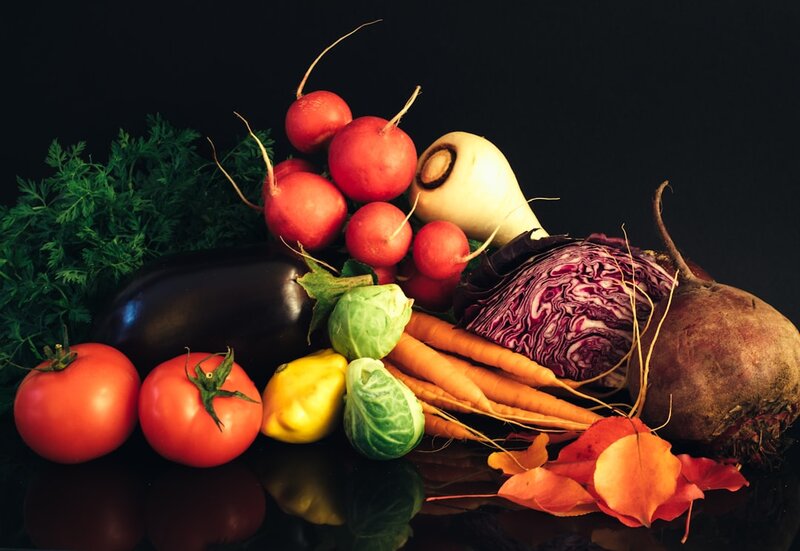
Walk through any supermarket in Ireland and you will find aisles packed with convenience foods — ready meals, breakfast cereals coated in sugar, flavoured yoghurts, processed meats, and soft drinks. These products, known as ultra-processed foods (UPFs), now make up a significant share of the average Irish diet. But what exactly are they, why do they matter for your health as you get older, and what practical steps can you take to reduce your intake without turning mealtimes into a chore?
TL;DR
- Ultra-processed foods (UPFs) are industrially manufactured products with ingredients you would not find in a home kitchen — emulsifiers, flavour enhancers, colourings, and preservatives
- Research links high UPF intake to increased risk of heart disease, Type 2 diabetes, cognitive decline, and certain cancers — risks that compound with age
- The NOVA classification system, used by the WHO and TILDA researchers, groups foods into four categories based on how much processing they have undergone
- You do not need to eliminate all processed food — focus on swapping the worst offenders for whole or minimally processed alternatives
- Irish supports including HSE dietitians, the CDM Programme, and INDI-registered practitioners can help you make sustainable changes
What Are Ultra-Processed Foods?
The term comes from the NOVA classification system, developed by researchers at the University of São Paulo and now widely used by the World Health Organisation. NOVA divides all food into four groups:
- Unprocessed or minimally processed — fresh fruit, vegetables, eggs, plain meat, fish, milk, grains, nuts
- Processed culinary ingredients — olive oil, butter, sugar, salt, flour (used in cooking but not eaten alone)
- Processed foods — tinned vegetables, cheese, freshly baked bread, smoked fish (a handful of added ingredients)
- Ultra-processed foods — products made mostly or entirely from substances derived from foods, plus additives. Think mass-produced sliced bread, breakfast cereals, instant noodles, fizzy drinks, reconstituted meat products, and most packaged snacks
The key marker of a UPF is ingredients you would never use at home: high-fructose corn syrup, hydrogenated oils, emulsifiers like polysorbate 80, flavour enhancers, and artificial colourings. If the ingredients list reads more like a chemistry textbook than a recipe, it is almost certainly ultra-processed.
Why UPFs Matter More as You Get Older
A growing body of evidence suggests that high UPF consumption is linked to poorer health outcomes — and many of these risks are particularly relevant for adults over 50.
Heart Health
A major 2024 umbrella review published in The BMJ found consistent associations between high UPF intake and increased risk of cardiovascular disease, hypertension, and stroke. Given that heart disease remains the leading cause of death in Ireland, this is no small matter. The Irish Heart Foundation has highlighted the role of hidden salt and sugar in processed foods as key contributors to high blood pressure.
Cognitive Decline
Research from the ELSA (English Longitudinal Study of Ageing) cohort found that adults with the highest UPF consumption experienced faster rates of cognitive decline. The TILDA (The Irish Longitudinal Study on Ageing) team at Trinity College Dublin has similarly emphasised the importance of dietary quality for brain health in later life. The mechanisms are thought to involve chronic inflammation, disrupted gut microbiome diversity, and poor nutrient density.
Type 2 Diabetes
UPFs tend to be energy-dense but nutrient-poor, with high levels of added sugars and refined carbohydrates. The HSE’s Chronic Disease Management (CDM) Programme supports GP-led management of Type 2 diabetes, and dietary quality is central to prevention and management.
Cancer Risk
A large French cohort study (NutriNet-Santé) found that a 10% increase in UPF consumption was associated with a significant increase in overall cancer risk. The WHO has classified processed meat as a Group 1 carcinogen, and recent evidence increasingly points to the broader category of ultra-processed products as a concern.
Gut Health
Emulsifiers and artificial sweeteners commonly found in UPFs have been shown to alter gut microbiome composition. For older adults, whose gut diversity naturally declines with age, this can compound existing vulnerabilities — affecting nutrient absorption, immune function, and even mood.
How Much UPF Are We Actually Eating in Ireland?
More than you might think. Data from safefood and the Irish Universities Nutrition Alliance (IUNA) suggest that ultra-processed foods account for a substantial proportion of calorie intake across all age groups in Ireland. Convenience, cost, and long shelf life all drive UPF consumption — factors that can be particularly influential for older adults living alone or on fixed incomes.
It is worth noting that not all processing is harmful. Tinned beans, frozen vegetables, and pasteurised milk are all processed to some degree and remain nutritious choices. The concern is specifically with the ultra-processed category — industrially formulated products designed to be hyper-palatable and convenient, often at the expense of nutritional quality.
Practical Steps to Reduce UPFs Without Overhauling Your Life
The goal is not perfection. It is about making gradual, sustainable swaps that improve the overall quality of your diet.
1. Read the Ingredients List, Not Just the Label
Front-of-pack labels can be misleading — a product marketed as “high in fibre” or “no added sugar” may still be ultra-processed. Turn the packet over. If there are more than five or six ingredients and you do not recognise several of them, consider an alternative.
2. Start with Breakfast
Breakfast is often the most UPF-heavy meal. Swap sugary cereals for porridge oats (Ireland grows some of the best in the world), top with fresh or frozen berries, and add a handful of nuts. It costs less, fills you up longer, and provides far better nutrition.
3. Cook Simple Meals from Scratch
You do not need to be a chef. A baked potato with tinned beans and cheese, a vegetable soup, or scrambled eggs on wholemeal toast are all quick, affordable, and minimally processed. Community cooking classes through Active Retirement Ireland and local Family Resource Centres can build confidence in the kitchen.
4. Rethink Your Snacks
Replace crisps and biscuits with fruit, plain nuts, cheese and crackers (look for crackers with short ingredients lists), or homemade scones. Irish apples, pears, and seasonal berries are excellent choices.
5. Be Strategic About Convenience
Frozen vegetables, tinned fish (sardines, mackerel), and tinned tomatoes are minimally processed and enormously useful. Batch cooking on days when you have more energy means you have home-made ready meals in the freezer for days when you do not.
6. Watch the Drinks
Fizzy drinks, energy drinks, and many fruit juices are ultra-processed. Water, tea, and coffee remain the best choices. If you find plain water dull, add a slice of lemon or cucumber.
Irish Supports and Resources
If you would like personalised guidance on improving your diet, several supports are available in Ireland:
- HSE Dietitians — available through the CDM Programme via your GP for conditions like diabetes, heart disease, and obesity. No charge with a medical card or GP visit card.
- INDI (Irish Nutrition and Dietetic Institute) — the professional body for dietitians in Ireland. Their website has a Find a Dietitian tool for private consultations.
- safefood — the all-island food safety body provides excellent free resources on healthy eating, meal planning, and reducing food waste at safefood.net.
- Healthy Ireland — the Government’s national framework for health and wellbeing, with free guides on nutrition and physical activity.
- Local community groups — many Men’s Sheds, Active Retirement branches, and Family Resource Centres run cooking programmes specifically designed for older adults.
At Críonna Health, we believe that small, informed changes to what you eat can have a meaningful impact on how you feel, think, and move as you age. Ultra-processed foods are not something to panic about — but they are worth paying attention to.
The Bottom Line
You do not need to ban every packet from your kitchen. But becoming more aware of what is in your food — and making a few deliberate swaps each week — can genuinely support your health as you get older. The evidence is clear and growing: diets built around whole, minimally processed foods are associated with better heart health, sharper cognition, stronger immunity, and a lower risk of chronic disease.
If you are unsure where to start, talk to your GP or ask for a referral to a dietitian through the CDM Programme. And remember — it is never too late to make a positive change.
📷 Photo by Sharon Pittaway on Unsplash