Sepsis is one of those words most people have heard but few truly understand — until it happens to them or someone they love. Often called the body’s most extreme response to infection, sepsis occurs when the immune system overreacts and begins attacking the body’s own organs. It is a medical emergency, and every minute counts.
For people over 50, the risk is significantly higher. In Ireland, the HSE’s National Sepsis Programme estimates that sepsis contributes to thousands of hospital admissions each year, with older adults accounting for a disproportionate share. The good news? With awareness and early action, outcomes improve dramatically.
TL;DR
- Sepsis is the body’s life-threatening response to infection — it can develop from any infection, including UTIs, pneumonia, or skin wounds
- Older adults over 50 are at significantly higher risk due to immunosenescence, chronic conditions, and polypharmacy
- Key warning signs include confusion, rapid breathing, clammy skin, extreme pain, and feeling “the worst I’ve ever felt” — call 999 or 112 immediately
- The HSE’s National Sepsis Programme and the Sepsis 6 bundle aim to ensure rapid treatment within the first hour
- Prevention focuses on vaccinations, wound care, prompt treatment of infections, and good hygiene practices
What Exactly Is Sepsis?
Sepsis is not an infection itself — it is the body’s overwhelming and potentially life-threatening response to an infection. When you develop an infection (a chest infection, a urinary tract infection, a wound that becomes infected), your immune system normally fights it off. In sepsis, the immune system goes into overdrive, releasing chemicals into the bloodstream that trigger widespread inflammation. This can lead to organ damage, organ failure, and death if not treated urgently.
Sepsis can develop from any type of infection. In older adults, the most common triggers include:
- Urinary tract infections (UTIs) — the single most common cause in people over 50
- Pneumonia and chest infections
- Skin and wound infections — including pressure sores and surgical wounds
- Abdominal infections — such as diverticulitis, appendicitis, or gallbladder infections
- Central line or catheter infections — common during hospital stays
Why Older Adults Are More Vulnerable
The risk of developing sepsis rises sharply with age. Research from TILDA (The Irish Longitudinal Study on Ageing) has consistently shown that older adults in Ireland carry a higher burden of chronic conditions — diabetes, COPD, kidney disease, heart failure — and each of these increases sepsis risk. There are several reasons why people over 50 are particularly vulnerable:
- Immunosenescence: As we age, the immune system becomes less efficient at detecting and fighting infections, meaning infections can take hold more quickly and escalate to sepsis before the body mounts an adequate defence.
- Chronic conditions: Diabetes, chronic kidney disease, liver disease, and COPD all impair the body’s infection-fighting ability. People managing multiple long-term conditions are at particular risk.
- Polypharmacy: Taking multiple medications — common among older adults — can mask early symptoms of infection or suppress immune function. Corticosteroids and immunosuppressants specifically reduce the body’s ability to fight infection.
- Atypical presentation: In older adults, sepsis often presents differently. Rather than a high fever, the first sign may be sudden confusion, a fall, or simply “not being themselves.” This can delay recognition and treatment.
Recognising the Warning Signs
Speed is everything with sepsis. The UK Sepsis Trust and the HSE both emphasise the importance of recognising symptoms early. If you or someone you care for has an infection — or has recently had one — watch for these red-flag symptoms:
- Slurred speech or confusion — particularly significant in someone who was previously alert and oriented
- Extreme shivering or muscle pain
- Not passing urine all day — a sign that the kidneys may be shutting down
- Severe breathlessness
- Skin that is mottled, bluish, or very pale
- A feeling of “I might die” or “this is the worst I’ve ever felt”
If you suspect sepsis, call 999 or 112 immediately. Tell the operator: “I think it might be sepsis.” Do not wait to see if things improve. Do not drive to the GP. Sepsis is a 999 emergency.
What Happens at the Hospital
In Irish hospitals, the HSE’s National Sepsis Programme has implemented the Sepsis 6 bundle — a set of six interventions that must be delivered within the first hour of recognition:
- Give high-flow oxygen
- Take blood cultures
- Give intravenous antibiotics
- Give intravenous fluids
- Check lactate levels
- Measure urine output
Research consistently shows that for every hour of delay in starting antibiotics, the risk of death increases significantly. Ireland’s National Sepsis Programme, aligned with Sláintecare reforms, has made considerable progress in improving early recognition and treatment across Irish hospitals.
Prevention: What You Can Do
While sepsis can never be entirely prevented, there is a great deal you can do to reduce your risk:
Stay Up to Date with Vaccinations
Vaccinations are one of the most effective ways to prevent the infections that lead to sepsis. The HSE recommends the following for adults over 50:
- Annual flu vaccine — free for everyone aged 50 and over
- COVID-19 boosters — as recommended by NIAC
- Pneumococcal vaccine (PCV20) — protects against the most common cause of bacterial pneumonia
- Shingles vaccine (Shingrix) — available for eligible adults, as shingles can trigger secondary infections
Take Infections Seriously
What might seem like a “minor” infection can escalate quickly in an older adult. See your GP promptly if you develop:
- A UTI that doesn’t improve within 48 hours
- A chest infection with worsening cough, fever, or breathlessness
- A wound that becomes red, swollen, warm, or produces discharge
- Any infection accompanied by fever, chills, or feeling unusually unwell
Under the CDM (Chronic Disease Management) Programme, GP visits for managing chronic conditions are covered for medical card and GP visit card holders — so there is no cost barrier to getting checked.
Practise Good Wound Care
Skin becomes thinner and more fragile with age, making wounds more common and slower to heal. Keep cuts, grazes, and surgical wounds clean and dry. Watch for signs of infection (redness, warmth, swelling, discharge) and seek medical advice early. If you have diabetes, foot care is particularly important — your community public health nurse (PHN) or practice nurse can help with wound management.
Maintain Good Hygiene
Regular handwashing remains one of the simplest and most effective infection prevention measures. This is especially important after hospital visits, before eating, and after using the toilet.
Recovery After Sepsis
Surviving sepsis is just the beginning. Many people — particularly older adults — experience what is known as post-sepsis syndrome. This can include:
- Extreme fatigue that persists for weeks or months
- Muscle weakness and reduced mobility
- Difficulty concentrating or “brain fog”
- Anxiety, depression, or post-traumatic stress
- Increased vulnerability to further infections
Recovery takes time, and it is important not to rush it. Your GP, public health nurse, and HSE community rehabilitation teams can support your recovery. Physiotherapy, occupational therapy, and psychological support may all play a role. Ask your GP about referral to local services.
Organisations like ALONE (1800 222 024) can provide telephone support and befriending during recovery, while Age Action Ireland offers practical assistance for older adults navigating the healthcare system.
A Word for Carers and Family Members
If you care for an older adult — whether a parent, partner, or neighbour — your awareness of sepsis could save their life. You are often the first person to notice that something is “not right.” Trust your instincts. If someone with an infection suddenly becomes confused, unusually drowsy, or seems much worse than you would expect, act immediately. Call 999 or 112 and say the word “sepsis.”
At Críonna Health, we believe that knowledge is one of the most powerful tools for healthy ageing. Understanding sepsis — its triggers, its warning signs, and when to act — is something every person over 50 in Ireland should have in their toolkit. It takes just a moment to learn, but it could make all the difference.
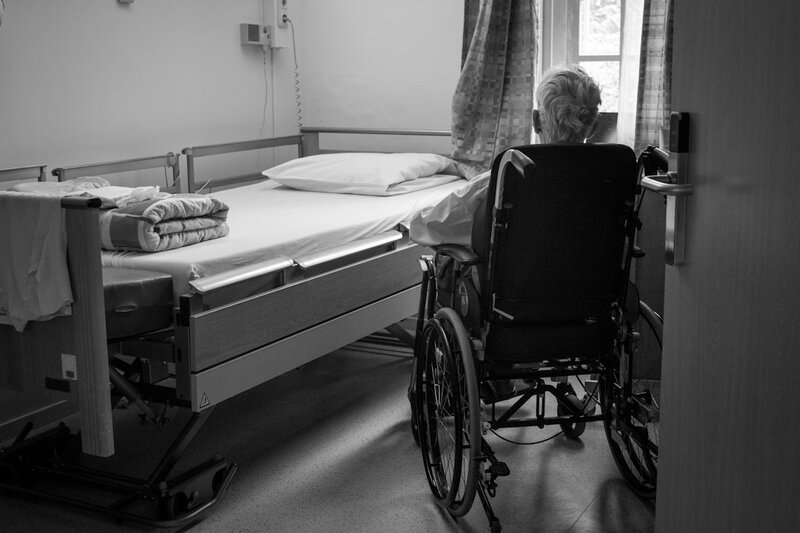
📷 Photo by Annabel Podevyn on Unsplash