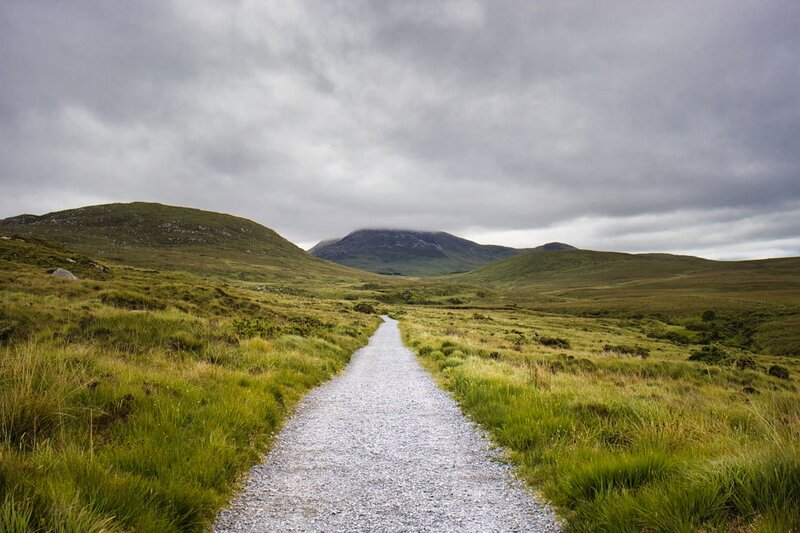
Ireland is home to some of the most beautiful landscapes in Europe — from the Wild Atlantic Way to ancient heritage sites and peaceful canal towpaths. But if your mobility has changed in recent years, you might feel that exploring these places is no longer an option. The good news is that Ireland has made real progress in accessible tourism, and there are more ways than ever to enjoy the country’s treasures regardless of how you get around.
TL;DR
- Ireland has significantly improved accessible tourism infrastructure, with Fáilte Ireland’s accessibility initiatives covering trails, beaches, and heritage sites across every county.
- Accessible beaches with wheelchair-friendly boardwalks and beach wheelchairs are available at over 20 locations nationwide, including Dollymount Strand, Portmarnock, and Rossnowlagh.
- Many of Ireland’s heritage sites — including Kilmainham Gaol, the National Museum, and Brú na Bóinne — offer full wheelchair access, induction loops, and tactile exhibits.
- The Free Travel Pass, Local Link rural transport, and accessibility grants can make trips more affordable and practical for older adults with mobility needs.
- Planning ahead with tools like Fáilte Ireland’s accessibility guides and contacting venues directly ensures a smoother, more enjoyable experience.
Why Accessible Tourism Matters for Healthy Ageing
Research from the Irish Longitudinal Study on Ageing (TILDA) consistently shows that staying active, socially connected, and engaged with your environment is strongly linked to better physical and mental health outcomes in later life. Tourism — even day trips closer to home — ticks all of these boxes. It gets you moving, introduces you to new experiences, and gives you something to look forward to.
Yet many older adults with mobility challenges — whether from arthritis, recovering from hip or knee surgery, living with a neurological condition, or simply finding that long walks are no longer comfortable — quietly stop exploring. This is a real loss, and an unnecessary one. As Ireland’s tourism infrastructure becomes more accessible, there are genuine options available that were not there even five years ago.
Accessible Trails and Walkways
You do not need to be able for a ten-kilometre hill walk to enjoy Ireland’s outdoors. A growing number of trails have been designed or upgraded with accessibility in mind:
- Coillte and National Parks: Many Coillte forest parks now include paved or compacted gravel paths suitable for wheelchairs and mobility scooters. Avondale Forest Park in Wicklow, Lough Key Forest Park in Roscommon, and Portumna Forest Park in Galway are particularly well regarded.
- Greenways: Ireland’s expanding network of greenways — including the Great Western Greenway in Mayo, the Waterford Greenway, and the Royal Canal Greenway — offer flat, paved surfaces ideal for wheelchairs, mobility scooters, and those with limited stamina. Many have rest areas and accessible toilet facilities along the route.
- Slí na Sláinte routes: Some of these marked walking routes in towns and villages are fully accessible. Check locally, as quality varies.
At Críonna Health, we encourage people to start small. Even a short outing to a local accessible trail can lift your mood and build confidence for longer trips.
Accessible Beaches
The sound of the sea has a way of settling the mind, and Ireland’s coastline is more accessible than many people realise. Over 20 beaches around the country now offer some combination of wheelchair-accessible boardwalks, beach matting, and beach wheelchairs that can be borrowed free of charge.
Notable accessible beaches include:
- Dollymount Strand (Dublin) — boardwalk access, beach wheelchair available through Dublin City Council
- Rossnowlagh (Donegal) — wheelchair-accessible path onto the beach
- Curracloe (Wexford) — accessible boardwalk and parking
- Salthill (Galway) — accessible promenade with sea views
The charity Beach Wheelchairs Ireland provides all-terrain beach wheelchairs at multiple locations around the coast. These can be reserved in advance at no cost — a wonderful service that opens up the coast to everyone.
Heritage Sites and Cultural Attractions
Ireland’s rich history is increasingly accessible to visitors of all abilities. Many heritage sites managed by the Office of Public Works (OPW) and the National Museum of Ireland have invested significantly in accessibility:
- Kilmainham Gaol — lift access, audio guides, and adapted tours available
- Brú na Bóinne Visitor Centre — fully accessible, though the passage tomb itself has limitations
- National Museum of Ireland (all branches) — wheelchair access, induction loops, tactile exhibits, and quiet hours
- National Gallery of Ireland — full wheelchair access, touch tours, and audio-described tours
It is always worth contacting a site in advance. Many offer adapted tours, allow extra time for visitors with mobility needs, or can arrange priority entry to avoid long queues — something that matters a great deal if standing for extended periods is difficult.
Getting There: Transport and Supports
Transport is often the biggest barrier to accessible tourism. Here are some practical supports available in Ireland:
- Free Travel Pass: If you are over 66 or qualify on disability grounds, this covers Bus Éireann, Irish Rail, Dublin Bus, Luas, and DART services. It is an enormous help for day trips.
- Irish Rail accessibility: All InterCity trains have wheelchair spaces, accessible toilets, and ramp boarding. You can book assistance in advance through their accessibility team.
- Local Link: The rural bus service operated by the National Transport Authority now covers routes in every county and can be a lifeline for people living outside cities.
- Disabled Drivers and Passengers Scheme: If you qualify, this provides tax relief on vehicle purchase and adaptation, as well as fuel grants — useful if driving remains your preferred way to travel.
- Motorised Transport Grant: Available through the HSE for people with severe disability, this can contribute towards the cost of purchasing or adapting a vehicle.
Planning Your Trip
A little planning goes a long way in making accessible tourism enjoyable rather than stressful:
- Check Fáilte Ireland’s accessibility information: Their website includes accessibility details for registered accommodation and attractions.
- Ring ahead: A quick phone call to your destination can confirm current access arrangements, parking, and any temporary closures.
- Consider your energy: Plan for rest stops and do not try to fit too much into one day. A relaxed pace is not a compromise — it is often the best way to experience a place.
- Travel with what you need: Bring medications, mobility aids, and comfortable footwear. If you use a wheelchair or scooter, check that your accommodation can store it safely.
- Look into accessible accommodation: Many hotels and B&Bs now have accessible rooms, but availability varies. Book early and confirm specific needs directly with the property.
You Deserve to Explore
Changing mobility does not mean the end of adventure. It means exploring differently — and Ireland is increasingly set up to welcome you however you travel. Whether it is a gentle stroll along a greenway, an afternoon in a gallery, or a day at the coast with the wind in your hair, these experiences matter for your wellbeing.
At Críonna Health, we believe that staying curious and connected to the world around you is one of the most powerful things you can do for your health as you age. The landscape is not going anywhere — and neither should you.
📷 Photo by 𝕡𝕒𝕨𝕤 𝕒𝕟𝕕 𝕡𝕣𝕚𝕟𝕥𝕤 on Unsplash