Of all the changes that come with getting older, losing your sight is one of the most feared — and with good reason. Vision is central to independence, confidence, and quality of life. Yet glaucoma, one of the most common causes of irreversible sight loss worldwide, often develops without any noticeable symptoms until significant damage has already occurred.
In Ireland, an estimated 60,000 to 70,000 people are living with glaucoma, and many more may have it without knowing. The good news? When caught early, glaucoma can almost always be managed effectively, and sight loss can be slowed or prevented altogether. The key is knowing your risk, getting regular eye checks, and understanding what a diagnosis actually means for your daily life.
TL;DR
- Glaucoma is a leading cause of irreversible blindness, affecting an estimated 60,000–70,000 people in Ireland — many undiagnosed
- It usually develops without symptoms; regular eye tests (every two years after 50) are the most effective way to catch it early
- Treatment typically starts with daily eye drops and can progress to laser or surgery — most people maintain useful vision with adherence
- Risk factors include age over 50, family history, African or East Asian heritage, high myopia, and diabetes
- Irish supports include the HSE Treatment Benefit Scheme (free eye exams for PRSI contributors), NCBI services, Fighting Blindness, and Glaucoma Ireland
What Exactly Is Glaucoma?
Glaucoma is not a single disease but a group of eye conditions that damage the optic nerve — the cable that carries visual information from your eye to your brain. In most cases, this damage is linked to increased pressure inside the eye (intraocular pressure, or IOP), though some people develop glaucoma even with normal eye pressure.
The most common form in Ireland is primary open-angle glaucoma (POAG), which develops gradually over months or years. It typically affects peripheral (side) vision first, which is why many people don’t notice anything wrong until the condition is well advanced. Less common but more urgent is acute angle-closure glaucoma, which causes sudden eye pain, redness, nausea, and blurred vision — this is a medical emergency requiring immediate treatment.
Other forms include normal-tension glaucoma (optic nerve damage despite normal pressure) and secondary glaucoma (caused by injury, inflammation, or certain medications like long-term corticosteroids).
Who Is at Risk?
While anyone can develop glaucoma, certain factors significantly increase your risk:
- Age: Risk rises substantially after 50 and continues to increase with each decade
- Family history: If a parent or sibling has glaucoma, your risk is four to nine times higher — the single strongest risk factor
- Ethnicity: People of African or East Asian descent have a higher prevalence
- High myopia (short-sightedness): The structural changes in myopic eyes increase vulnerability
- Diabetes: Research, including data from Ireland’s TILDA study, shows diabetes is associated with higher intraocular pressure
- Long-term steroid use: Both oral and topical steroids can raise eye pressure
- Previous eye injury or surgery
If any of these apply to you, mention it to your optometrist at your next visit.
Why Regular Eye Tests Matter
Because open-angle glaucoma steals vision silently, routine eye examinations are your best defence. An optometrist can detect early signs long before you notice any change in your sight. A comprehensive glaucoma assessment typically includes:
- Tonometry: Measuring the pressure inside your eye
- Ophthalmoscopy: Examining the optic nerve for signs of damage
- Visual field test: Mapping your peripheral vision to detect blind spots
- OCT scan: A detailed scan of the nerve fibre layer at the back of your eye — increasingly used in Irish practices
The Association of Optometrists Ireland recommends an eye test at least every two years after the age of 50, and more frequently if you have risk factors. If you’re over 50 and haven’t had your eyes tested recently, booking an appointment is one of the simplest and most impactful things you can do for your health.
Financial Supports for Eye Tests in Ireland
Cost should not be a barrier. The HSE Treatment Benefit Scheme provides a free eye examination every two years for PRSI contributors (and their dependent spouses). If you have a medical card, you’re entitled to a free eye examination and, where necessary, spectacles through the community ophthalmic services. Ask your optometrist about your eligibility — many will check for you.
What Happens After a Diagnosis?
Being told you have glaucoma can feel alarming, but it’s important to know that most people diagnosed early maintain good, functional vision throughout their lives. Treatment focuses on lowering intraocular pressure to slow or stop further optic nerve damage.
Eye Drops — The First Line of Treatment
Most people start with prescription eye drops, used once or twice daily. Common types include prostaglandin analogues (such as latanoprost), beta-blockers, and carbonic anhydrase inhibitors. Your ophthalmologist will choose the best option based on your specific situation.
Adherence is crucial. Research consistently shows that many people struggle with daily drops — forgetting doses, difficulty with the bottle, or side effects like redness and stinging. If drops are causing problems, tell your eye specialist. There are usually alternatives, and newer preservative-free formulations tend to be gentler.
Practical tip: Keep your drops beside something you do every day — your toothbrush, your morning cup of tea, or your bedside table. Setting a phone alarm can also help build the habit.
Laser Treatment and Surgery
If drops alone don’t control pressure adequately, or if adherence is difficult, your specialist may recommend:
- Selective Laser Trabeculoplasty (SLT): A quick, painless outpatient procedure that improves fluid drainage from the eye. Increasingly offered as a first-line treatment in Ireland
- Trabeculectomy: A surgical procedure to create a new drainage channel — reserved for cases that don’t respond to other treatments
- MIGS (Minimally Invasive Glaucoma Surgery): Newer techniques with faster recovery, now available in several Irish eye centres
Living Well with Glaucoma
A glaucoma diagnosis doesn’t mean you have to stop doing the things you love. Most people continue driving, reading, gardening, and living independently. However, it does mean committing to:
- Regular follow-up appointments — typically every 4 to 12 months, depending on severity
- Taking your medication consistently — even when you feel fine
- Reporting any changes in vision promptly to your eye specialist
- Good general health habits — regular exercise (particularly walking and swimming) has been shown to modestly reduce intraocular pressure
If glaucoma has affected your peripheral vision, practical adaptations can help. The National Council for the Blind of Ireland (NCBI) offers free assessments and support, including mobility training, assistive technology, and emotional support — even if your vision loss is relatively mild.
Irish Supports and Resources
Ireland has a growing network of supports for people living with glaucoma and other eye conditions:
- NCBI (National Council for the Blind of Ireland): Free services including vision rehabilitation, assistive technology, and community resource workers — ncbi.ie
- Fighting Blindness: Funds Irish eye research and provides patient information on all eye conditions — fightingblindness.ie
- Glaucoma Ireland: A patient support group offering information, peer support events, and awareness campaigns
- HSE Treatment Benefit Scheme: Free eye examinations for eligible PRSI contributors
- Medical card holders: Entitled to free eye examinations and community ophthalmic services
- Blind Pension and Blind Welfare Allowance: For those with significant vision loss — contact your local Intreo office for eligibility
A Word for Families and Carers
If someone you care about has been diagnosed with glaucoma, your support can make a real difference. Help with drop reminders, offer to attend appointments, and be patient if they’re adjusting to changes in their vision. The NCBI also offers guidance for family members, and Críonna Health provides further resources on supporting healthy ageing in Ireland.
The Bottom Line
Glaucoma is common, serious, but highly manageable when caught in time. The single most important step you can take is to get regular eye tests — especially after 50, and especially if you have a family history. Don’t wait for symptoms; by the time glaucoma announces itself, the damage is already done. Early detection, consistent treatment, and the excellent supports available in Ireland mean that a diagnosis of glaucoma is far from the end of the story. In most cases, it’s simply the beginning of better eye care.
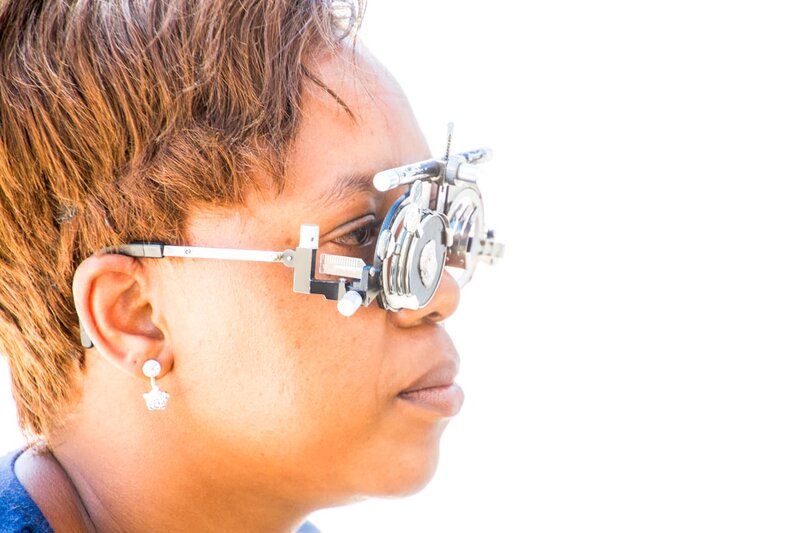
📷 Photo by Hush Naidoo Jade Photography on Unsplash