There are few pleasures as simple — or as underappreciated — as the smell of fresh bread, the taste of a well-made cup of tea, or the fragrance of a garden after rain. Yet for many people over 50, these everyday sensory experiences quietly begin to change. Taste and smell are closely linked, and age-related shifts in both can affect not just enjoyment of food but nutrition, safety, and overall quality of life.
The good news? Understanding what is happening — and why — puts you in a much stronger position to adapt. Here is a practical, evidence-informed guide to managing changes in taste and smell as you age, with an Irish focus on the supports available to you.
TL;DR
- Gradual loss of taste and smell after 50 is common — roughly half of adults over 65 experience noticeable changes, according to research including Ireland’s TILDA study.
- These changes can lead to poor appetite, unintentional weight loss, excess salt and sugar intake, and safety risks (e.g. not detecting gas leaks or spoiled food).
- Common causes include normal ageing, medication side effects, zinc deficiency, dental problems, and conditions like nasal polyps or diabetes.
- Practical strategies include boosting flavour with herbs, spices, and texture; reviewing medications with your GP or pharmacist; and maintaining good oral and nasal health.
- Irish supports include the CDM Programme through your GP, HSE community dietitians, INDI-registered dietitians, and the Dental Treatment Benefit Scheme (DTBS).
What Actually Happens to Taste and Smell After 50?
Your sense of smell (olfaction) typically begins to decline from around your mid-50s, with more noticeable changes after 60. You are born with roughly 9,000 taste buds, but this number decreases with age, and the remaining buds become less sensitive. Smell, which accounts for up to 80 per cent of what we perceive as “flavour,” tends to decline faster than taste alone.
Research from the Irish Longitudinal Study on Ageing (TILDA) confirms that sensory changes are widespread among older adults in Ireland, with knock-on effects for nutrition and wellbeing. Internationally, the World Health Organisation recognises sensory decline as a key factor in malnutrition risk among older populations.
It is worth noting that these changes are usually gradual. Many people do not realise how much their senses have shifted until a friend or family member comments on overseasoned food or they find meals less enjoyable than they once were.
Why It Matters More Than You Might Think
A reduced sense of taste and smell is not simply an inconvenience. It can have real consequences:
- Poor appetite and nutrition: When food tastes bland, people eat less — or gravitate towards highly salted, sugary, or processed foods to compensate. This can worsen blood pressure, diabetes management, and weight.
- Safety risks: A diminished sense of smell makes it harder to detect gas leaks, smoke, or spoiled food. In Ireland, Carbon Monoxide Awareness Week highlights this risk annually, and older adults with reduced smell are particularly vulnerable.
- Social withdrawal: Meals are a central part of Irish social life. If food no longer brings pleasure, people may decline invitations or stop cooking altogether, increasing isolation.
- Medication and supplement issues: Reduced taste can make it harder to swallow tablets or distinguish between medications, raising the risk of errors.
Common Causes Beyond Normal Ageing
While some decline is a natural part of ageing, several other factors can accelerate or worsen changes. It is worth discussing these with your GP:
- Medications: Over 200 medications can affect taste or smell. Common culprits include ACE inhibitors (for blood pressure), metformin (for diabetes), certain antibiotics, and some antidepressants. Never stop a medication without medical advice, but do flag any changes to your GP or pharmacist.
- Zinc deficiency: Zinc plays a key role in taste perception. Older adults, especially those on restricted diets, may not get enough. A simple blood test can check your levels.
- Dental and oral health: Gum disease, poorly fitting dentures, and dry mouth (xerostomia) all affect taste. The HSE’s Dental Treatment Benefit Scheme (DTBS) covers an annual oral examination for eligible adults — take advantage of it.
- Nasal conditions: Chronic sinusitis, nasal polyps, and allergies block airflow to the olfactory receptors. These are treatable, so mention any persistent nasal congestion to your doctor.
- Underlying conditions: Diabetes, Parkinson’s disease, and some neurological conditions can affect smell and taste. Sudden or rapid loss — especially of smell alone — should always be discussed with your GP, as it can occasionally be an early sign of neurological change.
Practical Strategies to Enjoy Food Again
You do not have to simply accept bland meals. These evidence-based strategies can help you get more from every bite:
Boost Flavour Without Adding Salt or Sugar
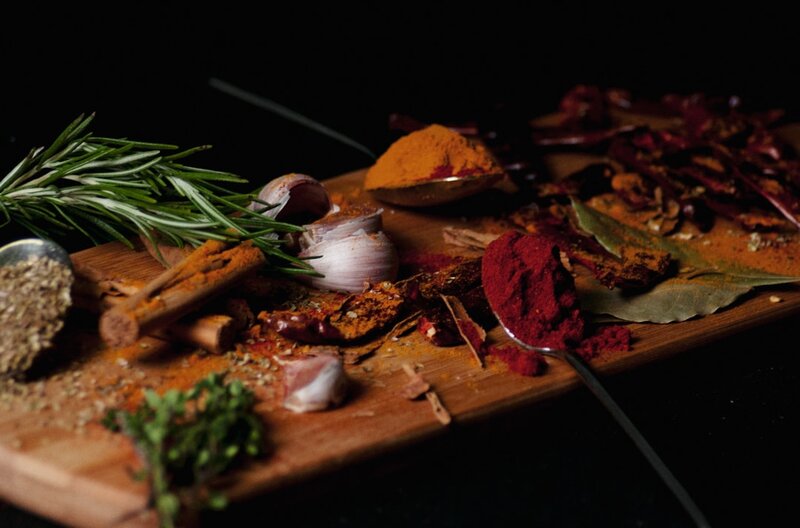
- Fresh herbs and spices: Rosemary, thyme, cumin, smoked paprika, ginger, and garlic all add depth. Irish-grown herbs like parsley, chives, and mint are easy to keep on a windowsill.
- Citrus and vinegar: A squeeze of lemon or a splash of apple cider vinegar can brighten an entire dish.
- Umami-rich foods: Tomatoes, mushrooms, aged cheeses, and soy sauce add a satisfying savoury depth that compensates for reduced taste sensitivity.
- Texture and temperature: Crunchy, crispy, and contrasting textures make meals more interesting. Serving food at the right temperature (not lukewarm) also releases more aroma.
Review Your Medications
Ask your GP or community pharmacist for a structured medication review. Under the HSE’s Chronic Disease Management (CDM) Programme, your GP can carry out annual reviews if you are over 75 (or have qualifying conditions). Pharmacists also offer Medicines Use Reviews (MURs) that can identify taste-altering medications and suggest alternatives.
Look After Your Mouth and Nose
- Brush twice daily and use interdental brushes or floss.
- Stay hydrated — dry mouth worsens taste perception. Sip water throughout the day.
- If you wear dentures, ensure they fit well. Poorly fitting dentures can trap bacteria and dull taste.
- Treat nasal congestion promptly. Over-the-counter saline sprays can help clear the nasal passages and improve smell.
Eat Mindfully
Slow down at mealtimes. Chewing thoroughly and pausing between bites gives your remaining taste buds more time to register flavour. Eating with others — even over a video call — can make meals more enjoyable and encourage better intake.
When to See Your GP
Most age-related taste and smell changes are gradual and manageable. However, you should see your GP if you experience:
- A sudden loss of taste or smell
- A persistent metallic or unpleasant taste
- Unintentional weight loss or poor appetite lasting more than a few weeks
- Taste changes that started soon after beginning a new medication
Your GP can arrange blood tests (including zinc and B12 levels), refer you to an ENT specialist if needed, or connect you with an HSE community dietitian for personalised nutrition advice. INDI-registered dietitians (you can search the Irish Nutrition and Dietetic Institute directory) also offer private consultations.
Irish Supports Worth Knowing About
- CDM Programme: Free structured GP reviews for eligible older adults — a good time to raise sensory changes.
- Dental Treatment Benefit Scheme (DTBS): Annual dental exam for PRSI contributors, helping maintain oral health that supports taste.
- HSE community dietitians: Available by GP referral for nutrition support.
- Meals on Wheels and community dining: If cooking has become less appealing, local Meals on Wheels services ensure you still receive nutritious food. Many areas also run community lunch clubs through Active Retirement Ireland and local family resource centres.
- ALONE support line (0818 222 024): If reduced appetite or enjoyment of food is affecting your mood or independence, ALONE’s trained volunteers can connect you with local supports.
A Final Thought
Changes in taste and smell are one of those quiet shifts that rarely make headlines but can genuinely affect how you experience daily life. The key message is this: you are not imagining it, you are not alone, and there is plenty you can do. From a handful of fresh herbs to a conversation with your pharmacist, small changes can bring real flavour — and real pleasure — back to your table.
At Críonna Health, we believe that understanding the changes your body goes through is the first step to ageing well. If this article has been helpful, explore our other Healthy Ageing guides for practical, evidence-informed advice tailored to life in Ireland.
📷 Photo by Zahrin Lukman on Unsplash