Every year in Ireland, approximately 7,500 people experience a stroke. While the initial event is frightening and often life-changing, many people go on to make remarkable recoveries — particularly when they receive timely, structured rehabilitation. If you or someone you care about has had a stroke, understanding what comes next can make all the difference.
Stroke recovery is not a straight line. It can be slow, frustrating, and emotionally challenging. But with the right supports, patience, and a clear plan, significant progress is possible — often well beyond the first few months.
TL;DR
- Stroke rehabilitation in Ireland typically begins in hospital and continues through HSE community rehabilitation teams, outpatient clinics, and home-based programmes.
- The brain’s neuroplasticity means recovery can continue for months and even years after a stroke — early, intensive rehabilitation produces the best outcomes.
- A multidisciplinary team (physiotherapy, occupational therapy, speech and language therapy, psychology) is central to effective stroke recovery.
- The Irish Heart Foundation offers a free Stroke Survivor Support Programme, peer support groups, and a nurse helpline (01 668 5001).
- Emotional recovery — including post-stroke depression, fatigue, and identity adjustment — is just as important as physical rehabilitation.
What Happens After a Stroke?
In the first hours and days, the medical team focuses on stabilising you, identifying the type of stroke (ischaemic or haemorrhagic), and beginning treatment. Ireland’s national stroke programme has significantly improved acute care, with most hospitals now offering rapid assessment and thrombolysis where appropriate.
Once you are medically stable, rehabilitation begins — sometimes within 24 to 48 hours. This early start is crucial. Research consistently shows that the sooner structured rehabilitation begins, the better the outcomes. The brain is most receptive to relearning in those early weeks, a phenomenon driven by neuroplasticity — the brain’s ability to reorganise and form new neural connections.
The Rehabilitation Team
Stroke recovery is a team effort. In Ireland, you will typically work with a multidisciplinary team that may include:
- Physiotherapist — helps restore movement, balance, and strength. They will design exercises tailored to your abilities and progress.
- Occupational therapist (OT) — focuses on regaining independence in daily activities such as dressing, cooking, and bathing. They may also assess your home for adaptations.
- Speech and language therapist (SLT) — essential if your stroke has affected speech (aphasia), language comprehension, or swallowing (dysphagia).
- Clinical psychologist or neuropsychologist — addresses the emotional and cognitive effects of stroke, including memory, concentration, mood, and adjustment.
- Medical social worker — helps navigate entitlements, supports, and practical issues like returning to work or arranging home care.
- Dietitian — ensures your nutritional needs are met, particularly if swallowing is affected or you need to manage risk factors like high blood pressure or cholesterol.
Not every hospital or community team will have all these professionals, and access can vary depending on where you live in Ireland. If you feel a gap exists, ask your GP or consultant to refer you — or contact the Irish Heart Foundation directly.
From Hospital to Home
The transition from hospital to home can be one of the most daunting parts of the journey. In hospital, support is constant. At home, you may suddenly feel vulnerable or overwhelmed. Planning this transition carefully is key.
Before discharge, your team should carry out a comprehensive assessment covering:
- Home environment — an OT may visit your home to recommend adaptations such as grab rails, ramps, or stair lifts. The Housing Adaptation Grant for People with a Disability (available through your local authority) can help fund these changes.
- Ongoing therapy — you should have a clear plan for continued physiotherapy, OT, and SLT, whether through HSE community rehabilitation teams, outpatient clinics, or private practitioners.
- Home support — if you need help with personal care or household tasks, HSE Home Support Services can provide home care hours. Discuss this with your medical social worker before discharge.
- Medications — stroke survivors are often prescribed blood thinners, statins, and blood pressure medication. Your pharmacist can help with a medication review and dosette box if needed.
Physical Recovery: What to Expect
Physical recovery varies enormously depending on the type, location, and severity of the stroke. Some people regain full mobility within weeks; others may work on specific goals for months or years.
Key principles of physical rehabilitation include:
- Repetition and practice — the brain learns through repeated, purposeful movement. Your physiotherapist will encourage daily exercises, even if they seem small at first.
- Task-specific training — practising real-life activities (reaching for a cup, climbing stairs) is more effective than abstract exercises alone.
- Gradual progression — pushing too hard too fast can lead to frustration or injury. A good therapist will challenge you appropriately while respecting your limits.
- Consistency — rehabilitation works best when it is regular and sustained. Even after formal therapy ends, maintaining a home exercise programme is essential.
TILDA (The Irish Longitudinal Study on Ageing) research has highlighted that physical activity is one of the strongest predictors of quality of life after stroke. Even modest amounts of daily movement — walking, gentle stretching, seated exercises — contribute to recovery and help prevent secondary complications like blood clots or muscle wasting.
Communication and Cognitive Recovery
Around one in three stroke survivors experience aphasia — difficulty with speaking, understanding, reading, or writing. This can be profoundly isolating for both the person affected and their family.
Speech and language therapy is the cornerstone of aphasia rehabilitation. Progress can be slow, but improvements are often seen well beyond the first year. Family involvement is important — your SLT can teach communication strategies that make daily interactions easier and less frustrating.
Cognitive effects such as difficulty with memory, attention, planning, and problem-solving are also common. These may not be immediately obvious but can significantly affect daily life. A neuropsychological assessment can identify specific difficulties and guide targeted rehabilitation.
The Emotional Side of Recovery
This is often the aspect people are least prepared for. After a stroke, it is common to experience:
- Post-stroke depression — affects up to one in three survivors. It is not a sign of weakness; it is a recognised medical condition linked to both brain changes and the psychological impact of stroke.
- Anxiety — fear of another stroke, worry about the future, and loss of confidence are extremely common.
- Fatigue — post-stroke fatigue is different from ordinary tiredness. It can be overwhelming, unpredictable, and slow to improve. Pacing activities, prioritising rest, and setting realistic expectations all help.
- Grief and identity — many stroke survivors describe a sense of loss for the person they were before. Acknowledging this grief, rather than dismissing it, is an important part of recovery.
- Emotional lability — some people experience sudden, uncontrollable crying or laughing that does not match their feelings. This is a neurological effect, not an emotional one, and it often improves with time.
If you are struggling emotionally, speak to your GP. Talking therapies (such as CBT), medication, and peer support can all help. The HSE’s Counselling in Primary Care (CIPC) service offers free, short-term counselling through GP referral.
Irish Supports for Stroke Survivors
Ireland has a growing network of supports for people recovering from stroke:
- Irish Heart Foundation — runs a free Stroke Survivor Support Programme with group sessions across Ireland, covering physical activity, nutrition, emotional wellbeing, and practical advice. Their nurse helpline (01 668 5001) offers confidential support and information.
- HSE Community Rehabilitation Teams — provide physiotherapy, OT, SLT, and nursing in the community. Ask your GP or hospital team for a referral.
- Volunteer Stroke Scheme (VSS) — matches trained volunteers with stroke survivors for social support and conversation practice, particularly helpful for those with aphasia.
- National Rehabilitation Hospital (NRH), Dún Laoghaire — Ireland’s specialist rehabilitation hospital, offering intensive inpatient programmes for those with complex needs.
- Disability Allowance / Invalidity Pension — if stroke has affected your ability to work, you may be entitled to social welfare supports. Contact your local Intreo office.
- Medical card / GP visit card — if your income has changed due to stroke, you may now qualify for a medical card, covering GP visits, medications, and therapies.
At Críonna Health, we believe that understanding your options and knowing where to turn is half the battle. Recovery is not something you should have to navigate alone.
Tips for Family and Carers
Caring for someone after a stroke can be rewarding but also exhausting. A few things to keep in mind:
- Learn about stroke — understanding what has happened helps you respond with patience rather than frustration.
- Encourage independence — it can be tempting to do everything for your loved one, but supporting them to do things for themselves (even if it takes longer) is vital for recovery.
- Look after yourself — carer burnout is real. The Carer’s Support Grant (€1,850 annually) and Family Carers Ireland (1800 24 07 24) can provide practical and emotional support.
- Communicate with the team — you are part of the rehabilitation team. Share your observations and ask questions.
Recovery Does Not Have a Deadline
One of the most important things to understand is that stroke recovery does not stop after six months or a year. While the most rapid improvements often occur in the early weeks, the brain continues to adapt and learn for much longer. Many stroke survivors report meaningful progress years after their stroke — particularly when they stay active, engaged, and connected.
If you or someone you know has had a stroke, take it one day at a time. Celebrate small victories. Ask for help when you need it. And know that a fulfilling life after stroke is not just possible — it is happening every day across Ireland.
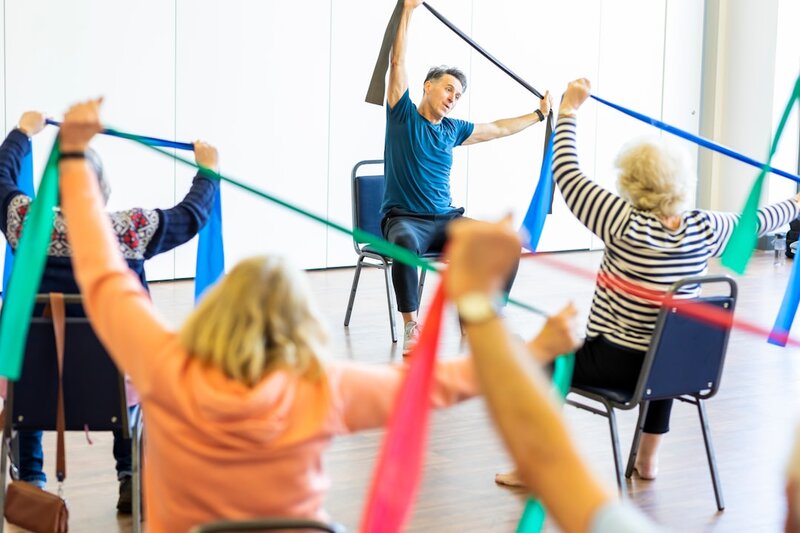
📷 Photo by Centre for Ageing Better on Unsplash