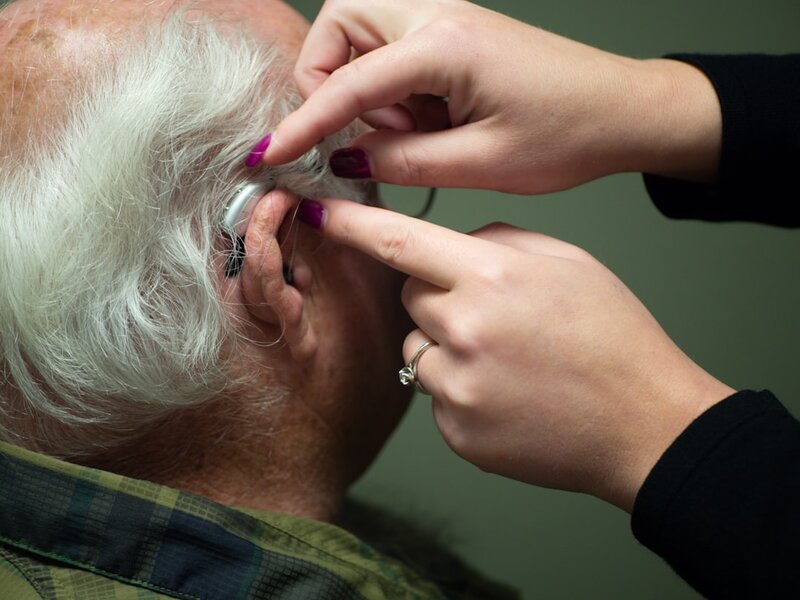
You might not immediately connect your ears with your brain, but a growing body of research is revealing just how closely the two are linked — especially as we get older. If you or someone you know has been putting off getting their hearing checked, this could be one of the most important health decisions you make this decade.
TL;DR
- Hearing loss is the single largest modifiable risk factor for dementia, according to the Lancet Commission on Dementia Prevention.
- Over 25% of adults aged 60+ worldwide have disabling hearing loss (WHO), and many go untreated for years.
- TILDA research confirms that hearing loss significantly affects psychosocial wellbeing in Irish older adults.
- Treating hearing loss with hearing aids or other interventions may slow cognitive decline and reduce social isolation.
- In Ireland, HSE audiology services and the Treatment Benefit Scheme can help with hearing tests and hearing aid costs.
Why Hearing Loss Matters for Your Brain
For decades, hearing loss was considered a normal — even trivial — part of getting older. Something to tolerate, perhaps joke about. But the science tells a very different story.
The Lancet Commission on Dementia Prevention, Intervention, and Care — one of the most comprehensive reviews of dementia risk factors ever conducted — identified hearing loss as the single largest modifiable risk factor for dementia, accounting for more attributable risk than smoking, high blood pressure, physical inactivity, or social isolation.
That is a remarkable finding. It means that addressing hearing loss isn’t just about comfort or convenience — it could be one of the most powerful things you do to protect your brain health as you age.
The Numbers: A Scale We Can’t Ignore
According to the World Health Organization, over 25% of adults aged 60 and over are affected by disabling hearing loss globally. In Ireland, research from the Irish Longitudinal Study on Ageing (TILDA) has found that hearing difficulties are widespread among older adults and have significant knock-on effects for mental health, social participation, and quality of life.
A 2023 TILDA report on hearing loss — authored by Christine McGarrigle and Orna Donoghue — found that hearing impairment affects not just communication, but psychosocial wellbeing, confidence, and even healthcare access. Many people with hearing difficulties report withdrawing from conversations, avoiding social gatherings, and feeling increasingly isolated.
And it’s that withdrawal — that slow retreat from the world — that researchers believe may be one of the key pathways through which hearing loss affects the brain.
How Does Hearing Loss Affect Cognitive Health?
Scientists have proposed several explanations for the link between hearing loss and cognitive decline. While the exact mechanisms are still being studied, three main theories have emerged:
1. Cognitive Load
When your hearing is impaired, your brain has to work harder to process sounds and make sense of speech. This increased “cognitive load” diverts mental resources away from other functions like memory and attention. Over time, this constant strain may accelerate cognitive wear.
2. Social Isolation
Hearing loss makes conversations exhausting. Many people gradually stop attending social events, visiting friends, or joining community activities. Social isolation is itself a well-established risk factor for dementia. When you stop engaging with others, your brain loses vital stimulation.
3. Brain Structure Changes
Some research suggests that when parts of the brain responsible for processing sound receive less input, they begin to atrophy — a “use it or lose it” effect. This may contribute to broader changes in brain structure and function over time.
In reality, all three pathways likely interact, creating a cycle where untreated hearing loss gradually chips away at cognitive resilience.
The Good News: Treating Hearing Loss Can Help
The encouraging part of this research is that hearing loss is treatable. And emerging evidence suggests that treating it may slow cognitive decline.
The landmark ACHIEVE trial (Aging and Cognitive Health Evaluation in Elders), published in The Lancet in 2023, found that hearing intervention — primarily hearing aids combined with audiological counselling — reduced the rate of cognitive decline by 48% in older adults who were at higher risk of cognitive deterioration. That’s a striking result for a relatively simple intervention.
Hearing aids aren’t just about turning up the volume. Modern devices help people re-engage with conversations, stay active in their communities, and maintain the social connections that are so vital for brain health.
What You Can Do: Practical Steps
Get Your Hearing Checked
If you’re over 50, consider having a hearing assessment — even if you don’t think there’s a problem. Hearing loss often develops gradually, and many people don’t realise how much they’re missing until they’re tested. Ask your GP for a referral to HSE audiology services, or visit a registered audiologist privately.
Don’t Delay Treatment
Research consistently shows that early intervention produces better outcomes. If hearing aids are recommended, use them. The adjustment period can take a few weeks, but the long-term benefits for your hearing, your social life, and your brain health are well worth it.
Know Your Entitlements
In Ireland, if you have enough PRSI contributions, the Department of Social Protection’s Treatment Benefit Scheme covers a free hearing test every year and contributes towards the cost of hearing aids. Medical card holders may also be entitled to HSE-provided hearing aids at no charge. Ask your GP or audiologist about what’s available to you.
Stay Socially Connected
Whether or not you have hearing difficulties, maintaining social connections is one of the best things you can do for your brain. Join a local group — Active Retirement Ireland, a Men’s Shed, a walking club, a choir. If hearing loss has caused you to withdraw, treating it can be the first step back into community life.
Protect the Hearing You Have
Prevention matters too. Avoid prolonged exposure to loud noise, use ear protection when using power tools or attending concerts, and be aware that some medications can affect hearing — ask your pharmacist if you’re unsure.
A Note for Families and Carers
If you’ve noticed a loved one struggling with hearing — asking people to repeat themselves, turning the television up louder, or withdrawing from group conversations — a gentle conversation about getting a hearing test could make a real difference. It’s not nagging; it’s caring. Untreated hearing loss doesn’t just affect the person who has it — it affects relationships, family dynamics, and quality of life for everyone.
The Bigger Picture
At Críonna Health, we believe that healthy ageing is about making informed choices — and one of the most important choices you can make is to take your hearing seriously. The evidence is clear: looking after your ears is looking after your brain.
In Ireland, we’re fortunate to have supports available — from HSE audiology services and PRSI-funded hearing tests to community organisations that can help you stay connected. The key is not to wait. If hearing loss is the biggest modifiable risk factor for dementia, then acting on it is one of the smartest investments in your future wellbeing.
Your hearing matters. Your brain will thank you.
📷 Photo by Anthony Camerlo (@anthonycamerlo) on Unsplash