If you are over 50, there is a good chance you have small pouches in your bowel wall — even if you have never heard the word diverticula. Most people never know they are there. But for some, these pouches can cause discomfort, pain, or more serious complications. The good news? With the right knowledge and a few practical steps, diverticular disease is highly manageable — and largely preventable.
TL;DR
- Diverticular disease — small pouches in the bowel wall — affects roughly half of all adults over 50, though most never develop symptoms.
- A high-fibre diet (at least 30 g per day) is the single most important step for prevention and management.
- Symptoms to watch for include persistent lower-left abdominal pain, bloating, and changes in bowel habits — see your GP if these occur.
- Diverticulitis (infection or inflammation of the pouches) needs prompt medical attention; warning signs include fever, severe pain, and bleeding.
- Irish supports include the HSE Chronic Disease Management Programme, BowelScreen, and community dietitian referrals through your GP.
What Is Diverticular Disease?
To understand this condition, it helps to know three related terms:
- Diverticulosis — the presence of small bulging pouches (diverticula) in the lining of the large bowel, usually the sigmoid colon. This is extremely common after 50 and rarely causes problems on its own.
- Diverticular disease — when these pouches cause symptoms such as pain, bloating, or altered bowel habits.
- Diverticulitis — when one or more pouches become inflamed or infected, causing more severe symptoms that may need hospital treatment.
Research from the Irish Longitudinal Study on Ageing (TILDA) and international data suggest that around 50 per cent of people over 50 have diverticulosis. By age 70, the figure rises to roughly two-thirds. Most will never experience symptoms — it is often found incidentally during a colonoscopy or scan.
Why Does It Happen?
The exact cause is not fully understood, but several factors play a role:
- Low-fibre diet — the most significant modifiable risk factor. Without enough fibre, the bowel has to work harder to move waste, increasing pressure on the bowel wall.
- Ageing — the bowel wall naturally weakens with age, making pouches more likely to form.
- Sedentary lifestyle — regular physical activity supports healthy bowel motility.
- Obesity — carrying excess weight, particularly around the abdomen, increases risk.
- Smoking — associated with a higher risk of diverticulitis and complications.
- Genetics — there is some evidence of a hereditary component, so family history matters.
In Ireland, where traditional diets have shifted away from wholegrains and root vegetables towards more processed foods, rates of diverticular disease have increased over recent decades — a pattern seen across Western countries.
Recognising the Symptoms
Many people with diverticulosis have no symptoms at all. When diverticular disease does cause problems, common signs include:
- Intermittent pain in the lower left side of the abdomen (though it can occur on the right)
- Bloating and wind
- Changes in bowel habits — constipation, diarrhoea, or both
- Occasional mild bleeding (bright red blood in stool)
These symptoms can overlap with other conditions, including irritable bowel syndrome (IBS), so it is important not to self-diagnose. If you are experiencing persistent abdominal pain or changes in your bowel habits, book an appointment with your GP.
When to Seek Urgent Help
Diverticulitis — the inflamed or infected form — requires prompt medical attention. Go to your GP urgently or attend the emergency department if you experience:
- Severe, constant abdominal pain (especially lower left)
- Fever or chills
- Nausea or vomiting
- Significant rectal bleeding
- Inability to pass wind or open your bowels
Most cases of diverticulitis are uncomplicated and can be treated with antibiotics and a temporary change in diet. More severe cases may require hospital admission.
The Role of Diet: Fibre Is Your Friend
If there is one takeaway from this article, it is this: eat more fibre. The HSE and the Irish Nutrition and Dietetic Institute (INDI) recommend at least 25–30 grams of dietary fibre per day for adults. Most Irish adults get far less — typically around 18–20 grams.
Good sources of fibre include:
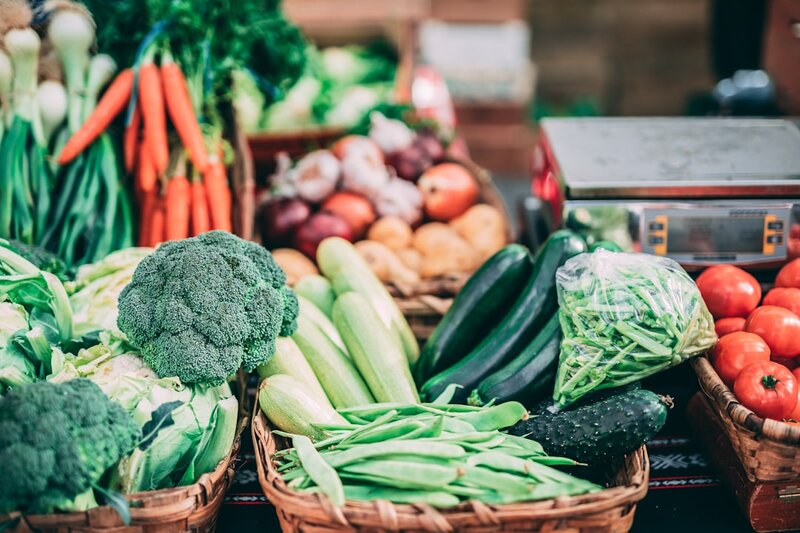
- Wholegrains — porridge oats (a staple of the Irish breakfast), wholemeal bread, brown rice, wholegrain pasta
- Fruit and vegetables — aim for at least five portions a day, with skins left on where possible
- Legumes — lentils, chickpeas, kidney beans, baked beans
- Nuts and seeds — a small handful daily (contrary to outdated advice, nuts and seeds are not harmful for diverticular disease)
- Root vegetables — turnips, parsnips, carrots, and potatoes with skins — all widely available and affordable in Ireland
A note on increasing fibre: If your current intake is low, increase gradually over two to three weeks to avoid bloating and discomfort. Drink plenty of water alongside — at least six to eight glasses a day — as fibre works best when well hydrated.
Beyond Diet: Other Practical Steps
Managing diverticular disease is about more than what you eat. Consider these evidence-based strategies:
- Stay active — regular physical activity (even a daily 30-minute walk) supports healthy digestion and reduces the risk of diverticulitis. Ireland’s network of greenways, Slí na Sláinte routes, and local walking groups make this accessible.
- Maintain a healthy weight — work with your GP or a community dietitian if you need support.
- Do not ignore the urge — delaying bowel movements increases pressure in the colon. When nature calls, respond.
- Review your medications — some painkillers, particularly non-steroidal anti-inflammatory drugs (NSAIDs) like ibuprofen, are associated with a higher risk of diverticulitis. Talk to your GP or pharmacist about alternatives if you use these regularly.
- Stop smoking — the HSE QUIT service (Freephone 1800 201 203) offers free support, nicotine replacement therapy, and counselling.
Diagnosis and Treatment in Ireland
If your GP suspects diverticular disease, they may refer you for investigations, which could include:
- CT scan — the most common investigation for suspected diverticulitis
- Colonoscopy — to rule out other conditions and assess the extent of diverticula (usually done after acute symptoms have settled)
- Blood tests — to check for infection or inflammation
It is worth noting that BowelScreen, Ireland’s national bowel screening programme, invites adults aged 59–69 for a free home test every two years. While BowelScreen is designed to detect bowel cancer, it can also flag issues that lead to further investigation and incidental diagnosis of diverticular disease. If you receive your BowelScreen invitation, do take part — it is free, simple, and could save your life.
Treatment Options
- Uncomplicated diverticular disease — managed with dietary changes, increased fibre, regular exercise, and symptom monitoring.
- Mild diverticulitis — typically treated with oral antibiotics, a temporary low-fibre or liquid diet, rest, and paracetamol for pain.
- Complicated diverticulitis — may require hospital admission for intravenous antibiotics, CT-guided drainage of abscesses, or, in rare cases, surgery.
Under the HSE Chronic Disease Management (CDM) Programme, patients with qualifying conditions can access structured GP care including regular reviews, which can support ongoing management of bowel conditions.
Living Well with Diverticular Disease
A diagnosis of diverticular disease does not mean a life of restriction. Most people manage their condition successfully with straightforward lifestyle adjustments. Here are a few reassuring points:
- The old advice to avoid nuts, seeds, and popcorn has been debunked — there is no evidence they trigger flare-ups.
- Most people with diverticulosis will never develop diverticulitis.
- Eating a varied, fibre-rich diet is protective and enjoyable — Irish-grown vegetables, wholegrains, and pulses are affordable and widely available.
- Regular check-ins with your GP, particularly if you are over 50, help catch changes early.
At Críonna Health, we believe that understanding your body and knowing when to seek help are two of the most powerful tools for ageing well. Diverticular disease is common, but with the right approach, it need not hold you back from living a full and active life.
Useful Resources
- HSE — Diverticular disease and diverticulitis: hse.ie
- BowelScreen: bowelscreen.ie — free bowel screening for ages 59–69
- Irish Nutrition and Dietetic Institute (INDI): indi.ie — find a registered dietitian
- HSE QUIT Service: Freephone 1800 201 203
- Críonna Health: crionnahealth.reptile.haus — more guides on healthy ageing in Ireland
📷 Photo by Iñigo De la Maza on Unsplash