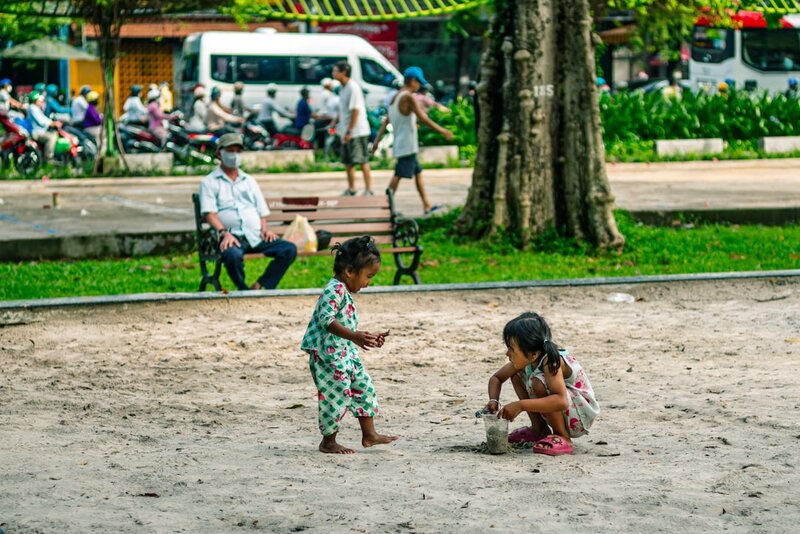
There’s a reason grandparents often say their grandchildren keep them young. It’s not just a fond expression — research consistently shows that active grandparenting delivers measurable benefits to physical health, cognitive function, and emotional wellbeing. In Ireland, where family ties remain strong and many grandparents play a hands-on role in childcare, this relationship is more than just precious — it’s genuinely good for your health.
TL;DR
- Active grandparenting is linked to lower rates of depression, improved cognitive function, and better physical fitness in older adults
- Regular time with grandchildren provides natural motivation for physical activity, from walks in the park to active play
- Grandparents who provide some (but not excessive) childcare report higher life satisfaction and stronger sense of purpose
- Ireland has no automatic legal right for grandparents to access grandchildren — but mediation and court applications are available
- Setting boundaries and minding your own health are essential to sustainable, enjoyable grandparenting
What the Research Tells Us
The evidence for the health benefits of grandparenting is robust. A major longitudinal study published in Evolution and Human Behavior found that grandparents who provided occasional childcare had a 37% lower mortality risk over a 20-year period compared to those who did not. Data from the Irish Longitudinal Study on Ageing (TILDA) similarly shows that older adults with strong family engagement report better self-rated health and lower levels of depressive symptoms.
The key word, however, is active. Passive time — sitting watching television together — delivers fewer benefits than engaged interaction. Reading stories, baking together, walking to the playground, or tending the garden with a small helper all count as active grandparenting.
Physical Health: Built-In Motivation to Move
One of the most practical benefits of time with grandchildren is that it naturally encourages movement. Young children don’t sit still, and keeping up with them — even at a gentle pace — provides incidental exercise that many older adults might otherwise struggle to motivate themselves to do.
Activities like pushing a buggy, walking to the local park, kicking a ball, or getting down on the floor to play all engage muscles, improve balance, and maintain cardiovascular fitness. For grandparents who find formal exercise programmes unappealing, this kind of purposeful activity can be genuinely transformative.
That said, it’s important to be realistic about your physical capacity. If you’re minding grandchildren regularly, consider:
- Investing in comfortable, supportive footwear for active days
- Keeping the home environment safe — stair gates, non-slip mats, and adequate lighting
- Being honest with yourself about lifting limits (toddlers get heavy quickly)
- Building in rest periods, especially during longer minding sessions
Cognitive Benefits: Keeping Your Mind Sharp
Interacting with children is inherently cognitively stimulating. Answering endless “why?” questions, reading aloud, playing board games, helping with homework, or learning about whatever your grandchild is currently fascinated by — all of these activities challenge your brain in ways that routine daily life may not.
Research from the Women’s Healthy Ageing Project in Australia found that grandmothers who spent one day a week caring for grandchildren performed better on cognitive tests than those who had no caring role. Interestingly, the same study found that five or more days per week was associated with poorer cognitive outcomes — likely due to stress and exhaustion. The sweet spot appears to be moderate, regular involvement.
Emotional Wellbeing and Purpose
For many people, the transition to retirement brings a loss of structured purpose. Grandparenting can fill that gap beautifully. The role provides a clear sense of being needed, of contributing something irreplaceable to the family unit.
TILDA research has consistently highlighted the protective effect of social engagement against depression in older adults in Ireland. Grandparenting is one of the most natural and rewarding forms of social connection available — it’s a relationship built on unconditional love rather than obligation or transaction.
The emotional benefits flow both ways. Children who have close relationships with grandparents show greater emotional resilience, and grandparents report that this bond gives their lives meaning beyond what other social connections provide.
The Irish Context: Childcare, Rights, and Supports
Ireland has a particular cultural and practical context for grandparenting. With childcare costs among the highest in Europe, many families rely heavily on grandparents for regular minding. A 2023 CSO survey found that grandparents were the most common form of non-parental childcare for pre-school children in Ireland.
This arrangement works well for many families, but it’s worth being aware of a few practical matters:
Legal Rights
Under Irish law, grandparents do not have an automatic legal right to access their grandchildren. However, under Section 11B of the Guardianship of Infants Act 1964 (as amended), a grandparent can apply to the court for access. Family mediation through the Legal Aid Board is often a helpful first step if access becomes difficult after family breakdown.
Insurance and Safety
If you’re minding grandchildren in your home regularly, check that your home insurance covers this. Ensure your home is child-safe — the HSE’s Paloma programme provides guidance on child safety in the home.
Financial Considerations
Grandparents providing childcare are not currently eligible for the National Childcare Scheme (NCS) unless they are a registered childminder. However, if you are the primary carer for a grandchild, you may be entitled to the Guardian’s Payment or Domiciliary Care Allowance (if the child has a disability).
Setting Boundaries: When Helping Becomes Too Much
The research is clear: moderate grandparenting is beneficial, but excessive caregiving responsibilities can lead to burnout, physical strain, and resentment. It’s important to distinguish between choosing to spend time with grandchildren and feeling obligated to provide full-time childcare.
Signs that the balance might need adjusting include:
- Consistently feeling exhausted after minding days
- Neglecting your own health appointments or social activities
- Physical pain that’s worsening (back, knees, shoulders)
- Feeling resentful rather than joyful about the arrangement
- Missing out on retirement activities you’d planned
Having an honest conversation with your adult children about capacity isn’t selfish — it’s essential. A grandparent who is well-rested and enthusiastic provides far better care than one who is running on empty.
Making the Most of Your Grandparenting Role
Whether you see your grandchildren daily or monthly, here are ways to maximise the health benefits:
- Get outdoors together — parks, beaches, nature trails, and playgrounds all combine fresh air with movement
- Share skills — teach them to cook, garden, knit, fish, or fix things. This keeps your own skills sharp while creating lasting memories
- Stay curious — let grandchildren teach you about their world (yes, even the video games). Learning new things is cognitively protective
- Join community programmes — many libraries, community centres, and Active Retirement groups run intergenerational activities
- Use technology to connect — if distance is a barrier, regular video calls maintain the bond and keep you digitally engaged
Where to Find Support
If you’re a grandparent raising grandchildren full-time, or navigating a difficult family situation, support is available:
- Treoir — information for grandparents parenting alone (treoir.ie)
- Family Mediation Service — free, confidential mediation through the Legal Aid Board
- Citizens Information — guidance on entitlements and legal rights
- ALONE — support for older people who may feel isolated (1800 222 024)
- Críonna Health — evidence-informed resources on healthy ageing in Ireland
Active grandparenting is one of life’s great privileges — and as the research shows, it’s also one of the most effective ways to stay well as you age. The key is finding the balance that works for you: enough involvement to reap the benefits, with enough space to look after yourself too.
📷 Photo by Khanh Do (@donguyenkhanhs) on Unsplash