When we think about staying well as we get older, exercise and nutrition often come to mind first. But there is another, quieter form of support that can make a remarkable difference to everyday life — occupational therapy (OT). Whether it is helping someone continue to cook their own meals safely, adapt a home after a fall, or manage the fatigue that comes with a long-term condition, occupational therapy is about keeping people doing the things that matter most to them.
In Ireland, occupational therapy services are available through the HSE, community organisations, and private practice — yet many people over 50 have never been referred, or are not quite sure what OT involves. This guide explains what occupational therapy is, how it supports healthy ageing, and how to access it here in Ireland.
TL;DR
- Occupational therapy (OT) helps older adults maintain independence by adapting daily activities, environments, and routines to their changing needs.
- OT can reduce falls risk, support recovery after surgery or illness, and help manage long-term conditions like arthritis, dementia, and stroke.
- In Ireland, OT is available through HSE community teams, hospital services, and private practitioners — a GP referral is the most common route.
- Home assessments by an OT can identify practical modifications (grab rails, lighting, furniture layout) that keep people safe and independent.
- Grants such as the Housing Adaptation Grant for People with a Disability and the Housing Aid for Older People Scheme can fund OT-recommended home modifications.
What Is Occupational Therapy?
Occupational therapy is a health profession focused on enabling people to participate in the everyday activities — or “occupations” — that give life meaning. For older adults, this might include getting dressed independently, preparing meals, gardening, socialising, or continuing to work. An occupational therapist assesses a person’s physical, cognitive, and emotional needs and then works with them to find practical solutions.
The word “occupation” here does not mean paid employment. It refers to anything a person needs, wants, or is expected to do — from brushing teeth to visiting grandchildren. OT is about the whole person, not just a diagnosis.
How Occupational Therapy Supports Healthy Ageing
Maintaining Independence at Home
One of the most valuable things an occupational therapist can do is carry out a home assessment. This involves visiting a person’s home to identify potential hazards and recommend changes — repositioning furniture to reduce trip risks, installing grab rails in the bathroom, improving lighting on stairs, or suggesting adaptive equipment such as a perching stool for the kitchen.
Research from the Irish Longitudinal Study on Ageing (TILDA) consistently shows that the home environment plays a significant role in falls risk among older adults. A well-timed OT assessment can be the difference between staying safely at home and an avoidable hospital admission.
Falls Prevention
Falls are the leading cause of injury-related hospital admissions among older adults in Ireland. Occupational therapists work alongside physiotherapists in HSE falls prevention programmes, addressing not just strength and balance but also the environmental and behavioural factors that contribute to falls — loose rugs, poor footwear, rushing to answer the phone, or managing in a bathroom that was designed for someone decades younger.
Recovery After Illness or Surgery
After a hip replacement, a stroke, or a period of illness, the return home can feel daunting. An occupational therapist helps plan that transition — assessing what equipment is needed (a raised toilet seat, a shower chair, a long-handled reacher), practising daily tasks in a safe setting, and building confidence step by step. In Irish hospitals, OTs are a core part of the multidisciplinary discharge team.
Managing Long-Term Conditions
For people living with arthritis, Parkinson’s disease, COPD, dementia, or chronic pain, occupational therapy offers strategies to manage daily life more comfortably. This might mean learning joint protection techniques, using assistive devices to reduce strain, pacing activities to manage fatigue, or adapting a daily routine so that the most demanding tasks happen when energy is highest.
The HSE’s Chronic Disease Management (CDM) Programme recognises the value of this kind of support, and your GP can refer you to community OT services as part of your overall care plan.
Cognitive Health and Dementia Support
Occupational therapists play an important role in supporting people with mild cognitive impairment or early-stage dementia. They can help establish memory-friendly routines, set up reminder systems, simplify household tasks, and advise family members on how to support independence without taking over. For carers, this guidance can reduce stress and help maintain the relationship rather than letting it become purely task-focused.
The Alzheimer Society of Ireland works closely with OT services to provide tailored support, and Críonna Health has previously highlighted the importance of understanding dementia and maintaining quality of life.
Accessing Occupational Therapy in Ireland
HSE Community OT Services
The HSE provides occupational therapy through Community Healthcare Organisations (CHOs) across the country. Access is typically through a GP referral, though some services accept self-referrals. Waiting times vary by area — in some parts of the country, you may wait several months. It is worth asking your GP to make the referral early, particularly if you are planning ahead for a surgery or noticing gradual changes in your ability to manage at home.
Hospital-Based OT
If you are admitted to hospital — whether for a planned procedure or an emergency — you will likely be seen by an occupational therapist as part of your inpatient care. They will assess your ability to manage at home and may recommend equipment or follow-up community OT after discharge.
Private Occupational Therapy
If waiting times are a concern, private occupational therapists offer home assessments and ongoing support. The Association of Occupational Therapists of Ireland (AOTI) maintains a Find an OT directory on their website. Costs vary, but a home assessment typically ranges from €100 to €200. Some private health insurance plans cover OT — check your policy or ask your insurer.
Grants for Home Modifications
When an occupational therapist recommends changes to your home, financial support may be available through your local authority:
- Housing Adaptation Grant for People with a Disability — covers up to €30,000 for necessary modifications such as stairlifts, accessible bathrooms, or ground-floor extensions. The grant is means-tested.
- Housing Aid for Older People Scheme — available to people aged 66 and over (or in some cases younger), covering essential repairs such as heating, windows, roofing, and structural issues. Maximum grant: €8,000.
- Mobility Aids Grant Scheme — up to €6,000 for smaller modifications like grab rails, ramps, and accessible showers.
Your occupational therapist can provide the supporting documentation needed for these applications, and many local authorities require an OT report as part of the process.
When Should You Ask About OT?
You do not need to wait for a crisis. Consider speaking to your GP about an occupational therapy referral if:
- You or a family member have had a fall, or you are worried about falling
- Daily tasks like bathing, dressing, or cooking are becoming more difficult
- You are recovering from surgery or a hospital stay
- You have been diagnosed with a condition that affects mobility, dexterity, or cognition
- You want a professional assessment of your home environment
- A family member with dementia needs support to remain at home safely
Early intervention is key. An occupational therapist can often suggest small changes — a different way of doing a task, a simple piece of equipment, a minor home modification — that prevent bigger problems down the line.
A Practical, Person-Centred Approach
What makes occupational therapy distinctive is its focus on what matters to the individual. An OT will not simply hand you a list of exercises or equipment. They will ask what you want to keep doing, what is getting harder, and what your goals are — then work with you to find realistic, practical solutions. It is healthcare that respects autonomy and values independence.
At Críonna Health, we believe that ageing well is about more than avoiding illness. It is about continuing to live a life that feels like your own. Occupational therapy is one of the most effective, yet underused, supports available to help make that happen.
Key Resources
- Association of Occupational Therapists of Ireland (AOTI) — professional body and Find an OT directory
- HSE Community OT — ask your GP for a referral to your local community healthcare team
- Local Authority Housing Grants — contact your local council’s housing department
- Citizens Information — comprehensive guide to housing grants and supports for older adults
- Alzheimer Society of Ireland — dementia-specific OT and support services
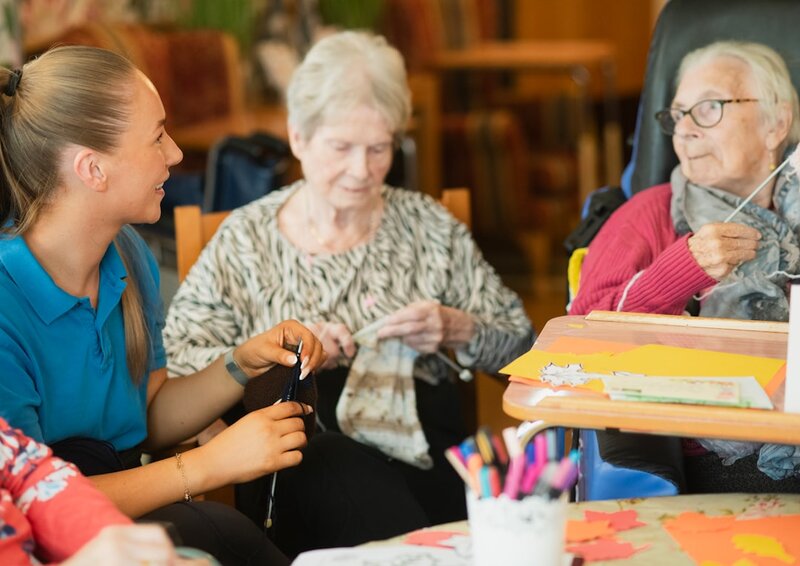
📷 Photo by Age Cymru (@agecymru) on Unsplash