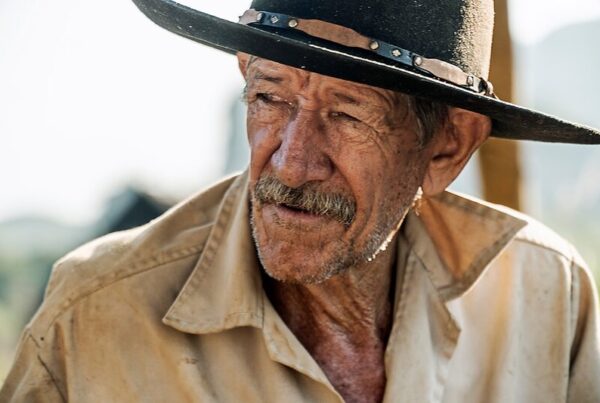
Frailty is one of those words that can feel loaded — conjuring images of helplessness or inevitable decline. But in modern health science, frailty has a very precise meaning, and understanding it can be one of the most empowering things you do for your health after 50. Because here’s the good news: frailty is not an inevitable part of ageing, and in its early stages, it can often be slowed, stopped, or even reversed.
TL;DR
- Frailty is a recognised medical condition — not just “getting old” — characterised by reduced strength, energy, and resilience to health shocks
- TILDA research shows around 1 in 4 Irish adults over 50 are pre-frail, meaning early intervention can make a real difference
- Key warning signs include unintentional weight loss, persistent exhaustion, reduced grip strength, slower walking speed, and low physical activity
- Resistance exercise, adequate protein intake, social engagement, and medication reviews are the most effective interventions
- Your GP can assess frailty as part of a routine visit — ask about it at your next appointment
What Exactly Is Frailty?
In clinical terms, frailty is a state of increased vulnerability where your body’s reserves are depleted to the point that even a minor illness, fall, or stressful event can trigger a significant health crisis. It’s not the same as having a disability or a chronic illness, though these can contribute to frailty over time.
Think of it this way: a robust older adult who catches a chest infection will likely recover within a week or two. A person living with frailty who catches the same infection might end up hospitalised, lose muscle strength during the stay, and take months to return to their previous level of function — if they return at all.
The most widely used clinical definition, developed by Professor Linda Fried, identifies five key markers:
- Unintentional weight loss — losing more than 4.5 kg (about 10 lbs) in a year without trying
- Exhaustion — persistent tiredness that doesn’t improve with rest
- Low physical activity — significantly reduced movement compared to before
- Slow walking speed — taking noticeably longer to cover short distances
- Weak grip strength — difficulty opening jars, carrying bags, or holding objects firmly
Having three or more of these markers indicates frailty. Having one or two puts you in the pre-frail category — a critical window where action can prevent progression.
What TILDA Tells Us About Frailty in Ireland
The Irish Longitudinal Study on Ageing (TILDA), based at Trinity College Dublin, has produced some of the most comprehensive frailty data in the world. Their findings paint a picture that’s both sobering and hopeful.
According to TILDA research, approximately 24% of adults over 50 in Ireland are pre-frail, and around 3-5% meet the criteria for frailty. The prevalence increases with age, but — crucially — it’s not determined by age alone. Lifestyle, nutrition, social connection, and healthcare access all play significant roles.
TILDA’s work has also shown that frailty is closely linked to falls, hospitalisations, cognitive decline, and reduced quality of life. But the research equally demonstrates that targeted interventions — particularly exercise and nutrition — can shift people back from frailty to a more robust state.
Spotting the Early Signs
Frailty rarely arrives overnight. It tends to creep in gradually, and the early signs can be easy to dismiss as “just getting older.” Here’s what to watch for:
- You’re losing weight without meaning to. Clothes feel looser, your appetite has dropped, or you’re simply eating less without noticing.
- Everything feels harder than it used to. Climbing stairs, carrying shopping, or getting out of a chair requires more effort than it did six months ago.
- You’re more tired than usual. Not the pleasant tiredness after a busy day, but a bone-deep exhaustion that doesn’t lift.
- You’ve slowed down. Friends or family might comment that you’re walking more slowly, or you find yourself needing to rest during short walks.
- You’re doing less. Activities you used to enjoy — gardening, visiting friends, going out — feel like too much effort.
Any one of these changes is worth mentioning to your GP. Together, they form a pattern that your doctor can assess and act on.
What You Can Do: Evidence-Based Strategies
Move More — Especially Resistance Exercise
If there’s one intervention that stands above all others for preventing and reversing frailty, it’s resistance exercise — activities that challenge your muscles to work against a force. This doesn’t mean you need to join a gym or lift heavy weights. Simple bodyweight exercises like standing up from a chair without using your hands, wall press-ups, or stepping up onto a low step can make a remarkable difference.
The HSE’s physical activity guidelines recommend that adults over 65 include muscle-strengthening activities at least twice a week. Community-based programmes like the Go for Life programme, run by Age & Opportunity, offer free or low-cost group exercise sessions specifically designed for older adults across Ireland.
Eat Enough — Especially Protein
Undernutrition is one of the biggest — and most overlooked — drivers of frailty. As we age, appetite naturally decreases, but our protein needs actually increase. Older adults need roughly 1.0 to 1.2 grams of protein per kilogram of body weight per day to maintain muscle mass, compared to 0.8g for younger adults.
Practical steps include adding protein to every meal (eggs at breakfast, fish or chicken at lunch, beans or lentils at dinner), choosing protein-rich snacks (yoghurt, cheese, nuts), and not skipping meals. If appetite is an issue, speak to your GP about a referral to a community dietitian through the HSE.
Review Your Medications
Polypharmacy — taking multiple medications — is a known contributor to frailty. Some medications can cause drowsiness, dizziness, reduced appetite, or muscle weakness, all of which feed into the frailty cycle. Ask your GP or pharmacist for a medication review, particularly if you’re taking five or more medications. The HSE’s Chronic Disease Management Programme includes medication reviews as a standard part of care for those over 75 with a medical or GP visit card.
Stay Socially Connected
Social isolation and loneliness are independent risk factors for frailty. Maintaining social connections isn’t just good for your mood — it keeps you physically active, mentally stimulated, and more likely to eat well. Local organisations like Active Retirement Ireland, Men’s Sheds, and ALONE offer programmes that combine social engagement with gentle physical activity.
Ask Your GP About a Frailty Assessment
Frailty assessments are increasingly part of routine care in Ireland, especially for adults over 70. Simple tools like the Clinical Frailty Scale or the PRISMA-7 questionnaire can be completed in a few minutes during a GP visit. If you’re concerned about any of the signs mentioned above, raise it at your next appointment. Early identification is the key to effective intervention.
The Irish Healthcare Response
Ireland has been investing in frailty-specific healthcare pathways. Many hospitals now have dedicated frailty intervention teams (FITs) that assess older adults who present to emergency departments, aiming to prevent unnecessary admissions and connect people with community supports. The National Clinical Programme for Older People, run by the HSE, has been instrumental in developing these pathways.
At community level, integrated care teams for older people bring together GPs, public health nurses, physiotherapists, occupational therapists, and social workers to provide coordinated care for those identified as frail or pre-frail. These teams operate across all Community Healthcare Organisations (CHOs) and can be accessed through your GP.
A Word on Language and Attitude
Being told you’re “pre-frail” or “frail” can feel alarming, but it’s worth reframing. A frailty assessment isn’t a label — it’s a tool. It identifies where you are on a spectrum so that you, your GP, and your wider healthcare team can take targeted action. Many people who are pre-frail never progress to frailty. And many who are frail can improve significantly with the right support.
At Críonna Health, we believe that understanding your health is always better than not knowing. Frailty is one of the most important — and most modifiable — risk factors in later life. The earlier you know about it, the more you can do.
Where to Find Support
- Your GP — ask about a frailty assessment at your next visit
- Age & Opportunity — ageandopportunity.ie — Go for Life physical activity programmes
- Active Retirement Ireland — activeirl.ie — local groups with exercise and social activities
- ALONE — Freephone 0818 222 024 — support for older adults at risk of isolation
- HSE Community Dietitian Services — referral through your GP
- TILDA — tilda.tcd.ie — Irish ageing research and resources
📷 Photo by Richard Sagredo on Unsplash