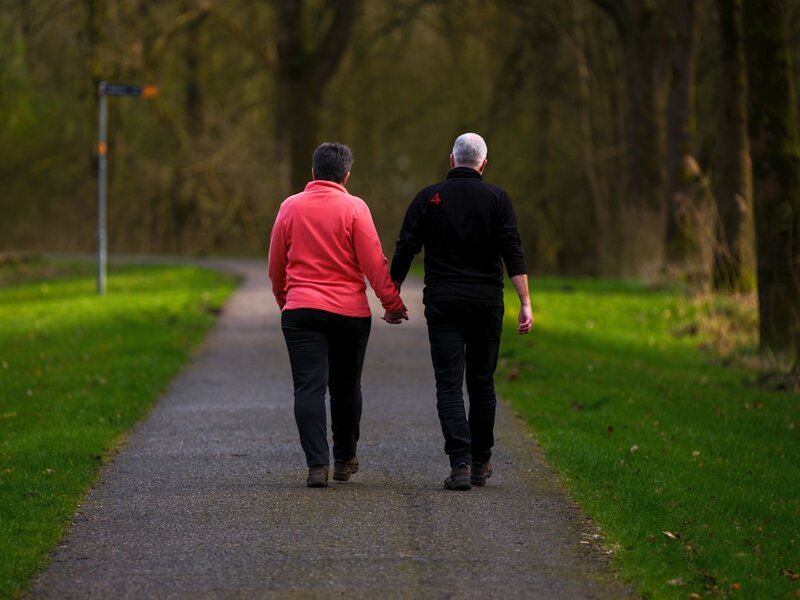
It is one of those topics that many people find difficult to bring up — even with their GP. Yet sexual health and intimacy remain important parts of wellbeing throughout life. Whether you are in a long-term relationship, navigating a new one, or simply wondering what is “normal” as you get older, you are not alone in having questions. The good news is that a fulfilling intimate life after 50 is not only possible — it is common.
TL;DR
- Sexual desire and activity often continue well into later life — TILDA research shows a significant proportion of older adults in Ireland remain sexually active
- Physical changes (menopause, erectile difficulties, chronic conditions) are normal and treatable — speak to your GP
- Emotional intimacy, communication, and adapting expectations are just as important as physical function
- STI rates among over-50s are rising in Ireland — safer sex practices matter at every age
- HSE sexual health clinics and the Irish Family Planning Association offer confidential services for people of all ages
Why This Conversation Matters
There is a persistent myth that sexual desire simply switches off at a certain age. It does not. Research from the Irish Longitudinal Study on Ageing (TILDA) consistently shows that many adults in their 50s, 60s, and 70s maintain active and satisfying intimate lives. Yet healthcare professionals rarely raise the subject with older patients, and many people feel embarrassed to ask.
This silence can have real consequences. Treatable conditions go unaddressed. Relationship difficulties go unspoken. And rising rates of sexually transmitted infections (STIs) among over-50s — a trend noted by the HSE and the Health Protection Surveillance Centre (HPSC) — suggest that safer sex messaging has not kept pace with the reality of later-life intimacy.
What Changes — And What Does Not
It is perfectly normal for your body to change as you age. Understanding these changes can help you adapt rather than withdraw.
For Women
Menopause brings a decline in oestrogen that can cause vaginal dryness, reduced elasticity, and discomfort during intercourse — a condition known as genitourinary syndrome of menopause (GSM). This affects up to half of postmenopausal women, yet many do not seek help. Over-the-counter lubricants, vaginal moisturisers, and — where appropriate — localised oestrogen therapy prescribed by your GP can make a significant difference.
For Men
Erectile difficulties become more common with age, often linked to cardiovascular health, diabetes, or medication side effects. This does not mean the end of intimacy. Treatments range from lifestyle changes (exercise, reducing alcohol, quitting smoking) to medications and specialist referral. Importantly, erectile changes can sometimes be an early warning sign of heart disease — another reason to speak with your doctor rather than suffer in silence.
For Everyone
Chronic conditions such as arthritis, heart disease, diabetes, and neurological conditions can affect energy, mobility, and confidence. Pain, fatigue, and the side effects of medications (including some blood pressure tablets and antidepressants) can all play a role. None of these mean intimacy is off the table — but they may mean adapting how, when, and what feels good.
Beyond the Physical: Emotional Intimacy Matters
Intimacy is far more than a physical act. For many people in their 50s and beyond, emotional closeness — touch, affection, companionship, feeling desired — becomes increasingly central to a satisfying relationship.
Life transitions such as retirement, children leaving home, bereavement, or a new health diagnosis can all shift the dynamics of a relationship. Open, honest communication with your partner is one of the most powerful tools available. If conversations feel difficult, couples counselling through services like Relationships Ireland or Accord can provide a safe space to reconnect.
For those who are single — whether through choice, separation, or bereavement — later life can bring new relationships and new beginnings. Dating after 50 is increasingly common, and there is no age limit on forming meaningful connections.
Safer Sex at Every Age
One of the most important — and most overlooked — aspects of sexual health after 50 is safer sex. Data from the HPSC shows that STI diagnoses among over-50s in Ireland have been rising steadily. Chlamydia, gonorrhoea, and syphilis do not discriminate by age, and HIV remains a concern across all demographics.
If you are entering a new sexual relationship, condoms remain the most effective protection against STIs. If you have not used them in years (or ever), there is no need to feel awkward — pharmacies stock them without prescription, and your GP or local sexual health clinic can offer confidential advice and screening.
The HSE’s free and confidential STI clinics operate across Ireland and welcome people of all ages. You do not need a GP referral. Testing is straightforward and results are kept strictly confidential.
Talking to Your GP
Your GP is one of the best starting points for any sexual health concern. Yet many people over 50 feel reluctant to raise the subject — and, unfortunately, GPs do not always ask. You have every right to bring it up.
Consider mentioning:
- Any pain or discomfort during intimacy
- Changes in desire or arousal
- Erectile difficulties or vaginal dryness
- Concerns about medication side effects
- Questions about STI screening
Under the Chronic Disease Management (CDM) Programme, GP visit card holders and medical card holders can access structured reviews that may include discussions about overall wellbeing — including sexual health. Do not wait to be asked; your GP will not be surprised.
Where to Find Support in Ireland
Several organisations offer confidential, non-judgemental support:
- HSE Sexual Health Services — free STI testing and sexual health advice at clinics nationwide
- Irish Family Planning Association (IFPA) — clinical services, counselling, and information for all ages
- Relationships Ireland — couples and individual counselling to support communication and intimacy
- Sexual Wellbeing (sexualwellbeing.ie) — the HSE’s dedicated sexual health information website
- Men’s Health Forum in Ireland — resources on erectile health and men’s wellbeing
- The Well Woman Centre — women’s health clinics with menopause and sexual health services
A Note on Respect and Consent
Consent matters at every age and in every relationship — including long-established ones. Each person has the right to say yes, no, or not right now, and to have that respected. Changes in health, mood, or circumstances can shift what feels comfortable, and ongoing communication is essential.
Your Intimate Life, Your Terms
At Críonna Health, we believe that ageing well means addressing all aspects of wellbeing — including the ones that do not always make it into polite conversation. Sexual health after 50 is not a niche concern; it is a mainstream part of healthy ageing that deserves openness, good information, and proper support.
If something has changed, if something is bothering you, or if you simply have questions — start the conversation. With your partner, with your GP, or with one of the services listed above. You deserve to feel well in every sense of the word.
📷 Photo by Haberdoedas on Unsplash