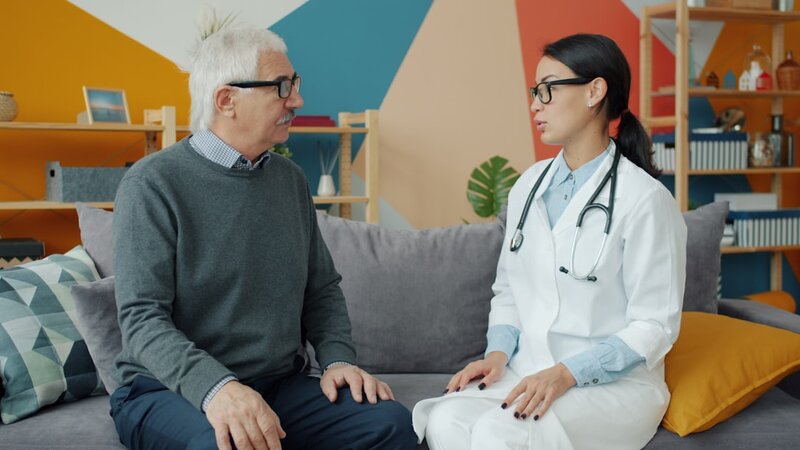
Your GP is one of the most important people in your healthcare team — especially as you get older and your health needs evolve. Yet many of us walk out of the surgery feeling we forgot to mention something, didn’t fully understand what was said, or ran out of time before covering everything that mattered.
The good news? A little preparation goes a long way. Whether you visit your GP once a year or once a month, getting the most from each appointment means better care, fewer unnecessary return visits, and greater confidence in managing your own health.
TL;DR
- Preparing a short written list of symptoms, questions, and medications before your GP visit leads to better outcomes and fewer missed concerns.
- Everyone over 70 in Ireland qualifies for a free GP visit card, regardless of income — and those under 70 on lower incomes may also qualify.
- TILDA research shows Irish adults over 50 visit their GP an average of four times per year — making each visit count is essential.
- Bringing a trusted companion can help you remember advice, ask follow-up questions, and feel more supported.
- The HSE Chronic Disease Management Programme provides structured GP reviews for conditions like diabetes, heart disease, and COPD at no extra cost for medical card and GP visit card holders.
Why GP Visits Matter More After 50
As we move through our 50s, 60s, and beyond, the nature of our healthcare needs shifts. Screening becomes more important. Chronic conditions may emerge or require ongoing management. Medications can multiply. And yet, research from the Irish Longitudinal Study on Ageing (TILDA) tells us that the average Irish adult over 50 visits their GP roughly four times per year — which means each appointment typically lasts only 10 to 15 minutes.
That’s not a lot of time to cover everything. But with the right preparation, those minutes can be far more productive.
Before You Go: Prepare a Short List
This is the single most effective thing you can do. Before your appointment, jot down:
- Your main concern — the reason you’re booking the visit. Put it first so it doesn’t get lost.
- Any other symptoms — even ones that seem minor or unrelated. Changes in sleep, appetite, energy, mood, or balance are all worth mentioning.
- Your current medications — including over-the-counter remedies, vitamins, and supplements. Better yet, bring the bottles or a printed list. This is particularly important if you see multiple specialists, as your GP is the one who has the full picture.
- Questions you want answered — don’t rely on remembering them in the moment. Write them down and bring the list with you.
Some people find it helpful to keep a small notebook or a notes app on their phone where they jot things down between visits. That way, when it’s time for your next appointment, you already have a running record.
During the Appointment: Be Open and Ask
Your GP can only help with what they know about. It’s worth being honest about things that might feel embarrassing — whether that’s incontinence, low mood, memory concerns, or difficulties with alcohol. GPs hear these things every day, and early intervention can make a significant difference.
A few practical tips for the appointment itself:
- Start with the most important issue. If you have several concerns, mention up front that you have a few things to discuss — your GP can help you prioritise.
- Ask questions if something isn’t clear. There’s no such thing as a silly question. Try: “Can you explain that in plain language?” or “What should I watch out for?”
- Clarify next steps. Before you leave, make sure you know: Do I need a follow-up? Should I get blood tests? Is there a referral? When should I come back?
- Take notes or ask for written instructions. It’s easy to forget details once you leave the surgery.
Bring Someone Along
If you’re dealing with a complex health issue, receiving test results, or simply find it hard to take everything in, consider bringing a trusted friend or family member. A second pair of ears can be invaluable — they can help you remember what was discussed, ask questions you might not think of, and provide moral support.
This is especially useful for appointments where important decisions need to be made or where there’s a lot of new information. You have every right to bring someone with you, and most GPs welcome it.
Know Your Entitlements
One of the biggest barriers to visiting the GP in Ireland is cost. But there are important entitlements that many people don’t fully use:
- Over 70s GP visit card: If you’re over 70 and living in Ireland, you’re entitled to a GP visit card regardless of your income. This covers unlimited free GP visits and out-of-hours services. You can apply online at gpvisitcard.ie or through your local HSE office.
- Under 70s GP visit card: If your income is below certain thresholds, you may qualify for a GP visit card even if you don’t have a full medical card. The income limits are higher than for the medical card, so it’s worth checking.
- Medical card: Covers GP visits, prescriptions, hospital care, and more. If you’re on a low income or receiving certain social welfare payments, you may be eligible.
- Chronic Disease Management (CDM) Programme: If you hold a medical card or GP visit card and have been diagnosed with a condition such as type 2 diabetes, cardiovascular disease, asthma, or COPD, you’re entitled to structured GP reviews as part of the HSE’s CDM Programme — at no additional cost.
Building a Relationship with Your GP
Continuity of care — seeing the same GP over time — is one of the most powerful factors in good health outcomes for older adults. Your GP builds up knowledge of your history, your preferences, and your circumstances. They’re better placed to notice subtle changes and to coordinate your care if you’re seeing multiple specialists.
If your GP practice has several doctors, try to book with the same one where possible. If you’ve moved or are unhappy with your current GP, you have the right to change — simply register with a new practice.
Don’t Wait for a Crisis
Many of us only visit the GP when something goes wrong. But preventive visits — even when you feel well — are where some of the most important health conversations happen. Blood pressure checks, cholesterol reviews, diabetes screening, cancer screening reminders, and medication reviews all benefit from regular, planned visits rather than rushed urgent appointments.
If you haven’t had a general check-up in the past year, consider booking one. The HSE recommends regular health checks for adults over 50, and your GP can help you create a personalised screening plan based on your age, gender, family history, and existing conditions.
A Note on Telehealth
Since the pandemic, many GP practices in Ireland now offer phone or video consultations. These can be convenient for follow-ups, prescription renewals, or discussing test results — but they’re not always suitable for physical examinations. If you’re unsure whether a phone consultation will do, ask the practice receptionist when booking.
Where to Find Support
- HSE: www2.hse.ie — information on medical cards, GP visit cards, and the CDM Programme.
- Citizens Information: citizensinformation.ie — detailed guides on healthcare entitlements.
- ALONE: Freephone 0818 222 024 — support for older adults who may need help navigating services.
- Crionna Health: For more practical guides on healthy ageing in Ireland, visit crionnahealth.reptile.haus.
Your GP visit is your time. A few minutes of preparation can transform a routine appointment into a genuinely useful health conversation — one that helps you stay well, stay informed, and stay in control of your own health journey.
📷 Photo by Vitaly Gariev on Unsplash