If you’ve sailed through decades without so much as a sniffle in spring, only to find yourself reaching for the tissues in your fifties, you’re not imagining things. Hay fever and seasonal allergies can appear — or reappear — later in life, and the experience can be both baffling and frustrating. The good news is that understanding why it happens and knowing what help is available can make a real difference.
TL;DR
- Hay fever and seasonal allergies can develop or worsen after 50 due to immune system changes, increased pollen seasons, and medication interactions.
- Common symptoms — sneezing, itchy eyes, congestion — can overlap with other conditions, so a proper GP assessment matters.
- Over-the-counter antihistamines and nasal sprays are effective, but older adults should check for interactions with existing medications.
- Practical steps like monitoring Met Éireann pollen forecasts, drying clothes indoors, and showering after outdoor activity can significantly reduce symptoms.
- The HSE, community pharmacists, and your GP are key supports — and many treatments are covered under the Medical Card or Drugs Payment Scheme.
Why Allergies Can Change After 50
Our immune system doesn’t stay the same throughout our lives. A process known as immunosenescence — the gradual remodelling of the immune system with age — can alter how your body responds to allergens like pollen, dust mites, and mould spores. For some people, this means allergies that once bothered them fade away. For others, it means developing new sensitivities for the first time.
Research from the Irish Longitudinal Study on Ageing (TILDA) has highlighted that respiratory conditions, including allergic rhinitis, remain common among older adults in Ireland. Climate change is also playing a role: warmer temperatures mean longer pollen seasons and higher pollen counts, which affects everyone but can be particularly noticeable for those whose immune response is shifting.
Recognising the Symptoms
Hay fever symptoms in older adults are much the same as in younger people — sneezing, a runny or blocked nose, itchy or watery eyes, and an irritated throat. However, the challenge after 50 is that these symptoms can overlap with other conditions. A persistently blocked nose might be mistaken for a sinus infection. Fatigue from disrupted sleep due to congestion can be attributed to ‘just getting older’. Itchy eyes might be confused with dry eye syndrome, which also becomes more common with age.
This is why it’s worth mentioning new or worsening symptoms to your GP, rather than simply putting them down to ageing. A proper assessment can rule out other causes and ensure you get the right treatment.
Medications: What to Know
Most hay fever treatments available over the counter are safe and effective for older adults, but there are important considerations:
- Newer antihistamines (cetirizine, loratadine, fexofenadine) are generally preferred over older ones like chlorphenamine, which can cause drowsiness, confusion, and urinary retention — side effects that matter more as we age.
- Steroid nasal sprays (such as fluticasone or mometasone) are very effective for nasal congestion and are safe for long-term use. They work best when started before pollen season begins.
- Eye drops containing sodium cromoglicate can relieve itchy, watery eyes without significant side effects.
- Decongestant sprays (like oxymetazoline) should be used with caution and only for short periods, as they can raise blood pressure and interact with heart medications.
If you take medication for blood pressure, heart conditions, prostate issues, or mood disorders, always check with your pharmacist or GP before adding an allergy treatment. Drug interactions are more common when you’re managing multiple conditions, and your community pharmacist is an excellent — and free — resource for checking these.
Practical Steps That Make a Real Difference
Medication is only part of the picture. Simple lifestyle adjustments can significantly reduce your exposure to pollen and ease symptoms:
- Check the pollen forecast — Met Éireann publishes daily pollen counts during the season (typically March to September). On high-count days, limit time outdoors during peak hours (late morning to early evening).
- Dry clothes indoors — pollen sticks to fabric, so avoid hanging washing on the line during high-pollen days.
- Shower and change clothes after spending time outdoors, especially after gardening or walking.
- Keep windows closed in the car and at home during peak pollen times. Use the recirculate setting on your car’s air conditioning.
- Wear wraparound sunglasses to protect your eyes when outside.
- Apply a thin layer of petroleum jelly around your nostrils to trap pollen before it enters your nasal passages.
- Vacuum regularly with a HEPA-filter vacuum, and consider a HEPA air purifier for the bedroom.
When to See Your GP
Most hay fever can be managed with over-the-counter treatments and practical precautions. However, you should see your GP if:
- Your symptoms are severe, persistent, or not responding to pharmacy treatments.
- You’re experiencing wheezing or shortness of breath — allergies can trigger or worsen asthma, even in people who’ve never had it before.
- You’re unsure whether your symptoms are allergic or related to another condition.
- You need help reviewing your medications for potential interactions.
Your GP can prescribe stronger treatments, refer you for allergy testing if needed, or investigate whether another condition might be contributing. If you have a Medical Card or are covered under the Drugs Payment Scheme, prescription allergy medications are covered, keeping costs manageable.
The Irish Context
Ireland’s mild, damp climate doesn’t spare us from hay fever — in fact, grass pollen is the most common trigger here, and Ireland has plenty of it. The HSE estimates that up to one in five people in Ireland is affected by hay fever, and that figure doesn’t account for the many who self-treat without ever visiting a GP.
For older adults, community pharmacies are a vital frontline resource. Under the HSE’s Pharmacy First approach, pharmacists can advise on appropriate treatments, check for drug interactions, and refer to a GP when necessary — all without an appointment. Many pharmacies also offer private consultation rooms for a more comfortable conversation.
Organisations like Age Action Ireland and ALONE can help if hay fever is compounding other challenges — for instance, if symptoms are making it harder to get out and stay socially connected during the warmer months. Staying active and engaged is one of the most important things you can do for your overall health, and managing allergies well means you don’t have to miss out on the best of the Irish summer.
A Note from Críonna Health
At Críonna Health, we believe that small, practical changes can have an outsized impact on how well you live as you age. Hay fever might seem like a minor inconvenience, but when it disrupts your sleep, keeps you indoors, or interacts with other medications, it deserves proper attention. Don’t dismiss new symptoms as ‘just one of those things’ — speak to your pharmacist or GP, and take steps to enjoy the warmer months fully.
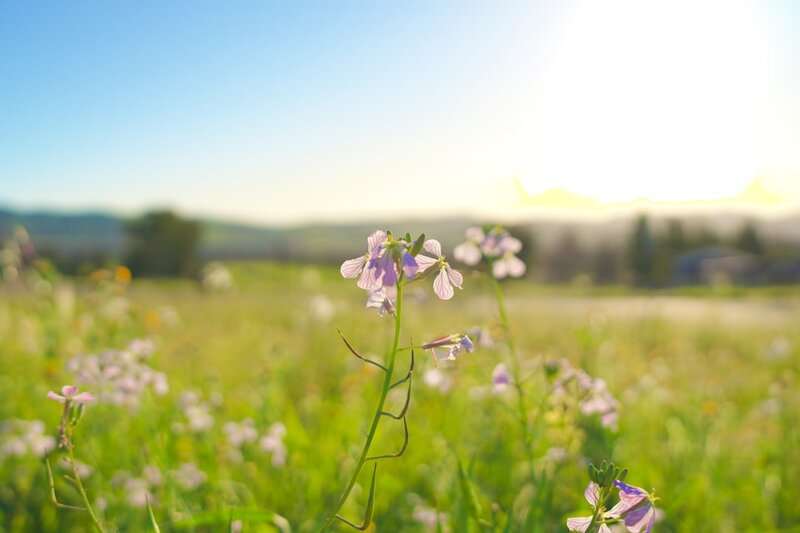
📷 Photo by Spencer DeMera on Unsplash