There is something deeply restorative about stepping outside and breathing in the scent of damp earth, listening to birdsong, or feeling a breeze move through the trees. For most of us, these sensations feel instinctively good — and a growing body of research confirms what many have always known: spending time in nature is genuinely good for your health, particularly as you get older.
TL;DR
- Regular time in green spaces lowers blood pressure, reduces stress hormones, and supports immune function — benefits that become increasingly important after 50.
- Ireland offers outstanding natural spaces including Coillte forests, national parks, greenways, and urban parks — most are free and accessible.
- Green prescribing — where GPs recommend nature-based activities — is gaining momentum in Ireland as an evidence-based complement to traditional treatment.
- Even 20 minutes in a green space can measurably improve mood, cognitive function, and cardiovascular health.
- Local programmes like Get Ireland Walking, parkrun, and Men’s Sheds offer structured ways to combine nature exposure with social connection.
What the Research Says
The science behind nature and health has matured significantly in recent years. A landmark review published in Environmental Research found that exposure to green spaces is consistently associated with reduced cortisol levels, lower heart rate and blood pressure, improved immune function, and better self-reported health.
For older adults specifically, the evidence is particularly compelling. The Irish Longitudinal Study on Ageing (TILDA) has found that access to green spaces and engagement in outdoor activities are associated with better physical function, improved cognitive performance, and lower rates of depression in adults over 50. Research from the WHO’s Age-Friendly Cities framework similarly highlights access to parks and natural environments as a key determinant of healthy ageing.
One Japanese concept that has gained global attention is shinrin-yoku, or forest bathing — the practice of immersing yourself slowly and mindfully in a woodland setting. Studies consistently show that even 20 to 30 minutes spent in a forest environment can reduce blood pressure, lower cortisol, and boost natural killer cell activity, which plays a role in immune defence.
Why Nature Matters More as We Age
As we move through our 50s, 60s, and beyond, several changes make nature exposure particularly valuable:
Cardiovascular health: Time spent in green environments has been shown to lower blood pressure and reduce arterial stiffness — both key concerns as we age. A brisk walk through a park offers cardiovascular benefits that a treadmill in a gym simply cannot replicate, thanks to the additional sensory stimulation and stress-reducing effects of natural surroundings.
Cognitive function: Research from the University of Michigan found that walking in nature improved short-term memory by 20% compared to walking along an urban street. For those concerned about cognitive decline, regular nature exposure offers a simple, enjoyable, and cost-free way to support brain health.
Mental wellbeing: Rates of depression, anxiety, and loneliness tend to increase in later life, particularly after retirement or bereavement. Nature provides a non-clinical, low-barrier intervention. The charity Age Action Ireland has highlighted the importance of outdoor social activities in combating isolation among older adults.
Balance and mobility: Walking on uneven natural terrain — woodland paths, beaches, grassy fields — gently challenges your balance and proprioception in ways that flat surfaces do not. This can help maintain the stability and coordination needed to prevent falls, a leading cause of injury for older adults in Ireland.
Green Prescribing: Nature on the GP’s Notepad
One of the most exciting developments in Irish healthcare is the growth of social prescribing and, within it, green prescribing — where healthcare professionals recommend nature-based activities as part of a patient’s care plan. Rather than relying solely on medication, GPs and community health workers can suggest activities such as walking groups, community gardening, conservation volunteering, or simply regular visits to a local park.
The HSE’s social prescribing programmes, now operating in several Community Healthcare Organisations, frequently include nature-based referrals. Sláintecare’s emphasis on community-based health aligns well with this approach, recognising that health is shaped as much by our environment and daily habits as by clinical interventions.
At Críonna Health, we see green prescribing as a perfect example of how small, accessible changes can make a meaningful difference to how we age. You do not need a gym membership or expensive equipment — just a nearby green space and a willingness to step outside.
Making the Most of Ireland’s Green Spaces
Ireland is remarkably well-served when it comes to accessible natural environments. Here are some options worth exploring:
Coillte forests and trails: Coillte manages over 260,000 hectares of forest across Ireland, with hundreds of recreational trails open to the public free of charge. Many are well-maintained, waymarked, and suitable for various fitness levels. The Coillte website lists trails by county, with accessibility information.
National parks: Ireland’s six national parks — including Killarney, Connemara, Wicklow Mountains, Burren, Glenveagh, and Ballycroy — offer spectacular landscapes and free entry. Several have visitor centres with accessible paths and guided walks.
Greenways: Ireland’s expanding network of greenways (such as the Great Western Greenway in Mayo and the Waterford Greenway) provides flat, traffic-free routes ideal for walking or cycling, with benches and rest stops along the way.
Urban parks and gardens: For those in cities and towns, local parks remain one of the most accessible green spaces. Dublin’s Phoenix Park, Cork’s Fitzgerald’s Park, and Galway’s Merlin Park are just a few examples of urban green spaces with walking paths, benches, and wildlife.
Blue spaces: Don’t overlook Ireland’s coastline, rivers, and lakes. Research increasingly shows that ‘blue spaces’ — bodies of water — offer mental health benefits comparable to green spaces. A walk along the seafront or beside a canal can be just as restorative as a woodland stroll.
Getting Started: Practical Tips
If you are not already spending regular time outdoors, here are some gentle ways to begin:
- Start small: Even 15 to 20 minutes in a garden or local park counts. You do not need to hike a mountain to benefit.
- Join a group: Programmes like Get Ireland Walking, parkrun (free, timed 5K events held weekly in parks), and Active Retirement Ireland groups offer companionship alongside exercise.
- Engage your senses: Try slowing down and noticing what you see, hear, smell, and feel. This mindful approach amplifies the stress-reducing benefits of being in nature.
- Dress for the weather: Ireland’s climate is famously unpredictable. Layered, waterproof clothing and sturdy, supportive footwear make all the difference.
- Check accessibility: Many Coillte trails and national park visitor centres now offer accessible routes for those with mobility challenges. Check online before visiting, or phone ahead.
- Combine it with social connection: Invite a friend, join a community garden, or volunteer with a conservation group like the Irish Wildlife Trust. The combination of nature and social interaction is especially powerful for wellbeing.
A Free, Year-Round Resource
One of the most appealing things about nature as a health resource is that it is available to almost everyone, in every season, and at no cost. Whether it is a summer evening in a wildflower meadow, an autumn walk through golden beech trees, or a crisp winter morning by the sea, Ireland’s landscapes offer year-round opportunities for restoration and renewal.
As we age, investing in our health does not always mean clinical appointments and supplements — sometimes it means simply stepping outside, breathing deeply, and letting nature do what it has always done: help us feel a little more alive.
At Críonna Health, we believe healthy ageing starts with the choices we make every day. Spending more time in green spaces is one of the simplest and most rewarding choices you can make.
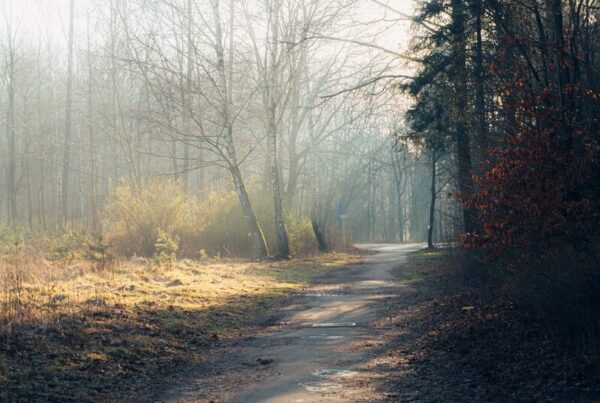
📷 Photo by Alex Grodkiewicz on Unsplash