If you’ve been feeling unusually tired, breathless on the stairs, or simply not yourself, you might put it down to “just getting older.” But persistent fatigue, dizziness, and pallor can point to something very treatable — anaemia. It’s one of the most common blood conditions affecting adults over 50 in Ireland, and yet it often goes undiagnosed for months or even years.
Understanding anaemia — what causes it, how it’s detected, and what you can do about it — is one of the simplest ways to protect your energy, your independence, and your overall health as you age.
TL;DR
- Anaemia (low haemoglobin) affects up to 1 in 4 adults over 65 and is frequently underdiagnosed in Ireland
- Common types in older adults include iron-deficiency anaemia, vitamin B12/folate deficiency, and anaemia of chronic disease
- Symptoms like persistent fatigue, breathlessness, and dizziness should prompt a GP visit and a full blood count (FBC)
- Irish supports include free GP care under the over-70s medical card, HSE blood testing, and BowelScreen for detecting hidden blood loss
- Dietary changes, supplements, and treating the underlying cause can often resolve anaemia completely
What Is Anaemia?
Anaemia occurs when your blood doesn’t carry enough oxygen to your body’s tissues, usually because you have fewer red blood cells than normal or your haemoglobin levels are low. Haemoglobin is the protein in red blood cells that binds oxygen — when it drops below a certain level, your organs and muscles simply don’t get the fuel they need.
The World Health Organisation defines anaemia as haemoglobin below 130 g/L in men and below 120 g/L in women. In Ireland, your GP can check this with a simple full blood count (FBC), one of the most commonly requested blood tests in general practice.
Why Is Anaemia So Common After 50?
As we age, several factors converge to make anaemia more likely:
- Reduced nutrient absorption: The stomach produces less acid with age, making it harder to absorb iron, vitamin B12, and folate from food
- Chronic conditions: Kidney disease, inflammatory conditions, and some cancers can suppress red blood cell production
- Medication effects: Common medications like proton pump inhibitors (PPIs), metformin, and NSAIDs can affect nutrient absorption or cause slow blood loss
- Dietary changes: Smaller appetites, difficulty cooking, or restricted diets can reduce intake of iron-rich foods
- Hidden blood loss: Conditions like bowel polyps or stomach ulcers can cause gradual, unnoticed blood loss over time
Research from the Irish Longitudinal Study on Ageing (TILDA) has consistently highlighted that fatigue and low energy are among the most reported symptoms in Irish adults over 50, and anaemia is a significant — and correctable — contributor.
Types of Anaemia in Older Adults
Iron-Deficiency Anaemia
The most common form worldwide. In older adults, it’s often caused by slow blood loss from the gastrointestinal tract rather than dietary deficiency alone. This is why your GP may recommend further investigation — including referral for endoscopy or participation in BowelScreen, the national bowel screening programme for adults aged 59 to 69 — if iron-deficiency anaemia is found.
Vitamin B12 and Folate Deficiency Anaemia
B12 deficiency is particularly common in older adults because absorption depends on a protein called intrinsic factor, which the stomach produces less of with age. Pernicious anaemia, an autoimmune condition affecting intrinsic factor, is more common in those over 60. Symptoms can include tingling in the hands and feet, memory difficulties, and mood changes alongside the usual fatigue.
Anaemia of Chronic Disease
Long-term conditions such as rheumatoid arthritis, chronic kidney disease, or heart failure can interfere with how the body uses iron and produces red blood cells. This type of anaemia is managed by treating the underlying condition rather than with iron supplements alone.
Recognising the Signs
Anaemia can develop gradually, which is why it’s so often dismissed as “normal ageing.” Watch for:
- Persistent tiredness that doesn’t improve with rest
- Feeling breathless during activities that used to be manageable
- Pale skin, particularly noticeable inside the lower eyelids and nail beds
- Heart palpitations or a noticeably faster heartbeat
- Feeling cold, especially in the hands and feet
- Dizziness or light-headedness, particularly on standing
- Difficulty concentrating or “brain fog”
- Brittle nails or a sore tongue
If you recognise several of these, it’s well worth a conversation with your GP. A full blood count is quick, inexpensive, and can provide answers within days.
Getting Diagnosed in Ireland
The good news is that diagnosing anaemia is straightforward. Your GP will typically request:
- Full blood count (FBC): The first-line test that measures haemoglobin, red blood cell count, and other markers
- Iron studies: Ferritin (iron stores), serum iron, and transferrin saturation to check for iron deficiency
- B12 and folate levels: To rule out vitamin deficiency
- Kidney function tests: Since the kidneys produce erythropoietin, the hormone that stimulates red blood cell production
Cost and access: If you hold a medical card or GP visit card — and all adults over 70 in Ireland are entitled to a GP visit card — these blood tests are covered. Even without a medical card, a GP consultation typically costs €50–65, and blood tests ordered through your GP are usually processed free of charge by HSE laboratories.
Treatment: What Works
Dietary Changes
For mild deficiencies, improving your diet can make a real difference:
- Iron-rich foods: Red meat, liver, dark leafy greens (spinach, kale), lentils, chickpeas, fortified cereals
- Vitamin C with meals: Helps your body absorb iron — a glass of orange juice with a meal or some red pepper in a salad
- B12 sources: Meat, fish, eggs, dairy, and fortified foods. Those on plant-based diets should consider supplementation
- Folate-rich foods: Dark green vegetables, beans, peas, fortified bread and cereals
Community supports like Meals on Wheels and local community dining programmes can help if cooking has become difficult. Many of these services are coordinated through your Local Community Development Committee (LCDC) or the HSE.
Supplements
Your GP may prescribe iron tablets (usually ferrous fumarate or ferrous sulphate) for iron deficiency. These work best taken on an empty stomach with vitamin C, though some people find them easier to tolerate with food. Side effects like constipation or stomach upset are common — talk to your pharmacist about liquid iron or alternate-day dosing if tablets are difficult.
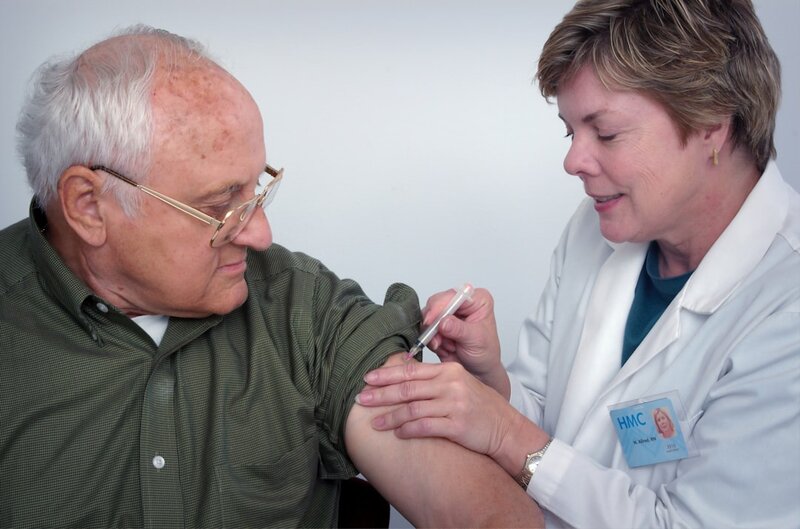
For B12 deficiency, treatment often involves intramuscular injections — typically a course of injections over a few weeks followed by maintenance injections every two to three months. These are administered by your GP or practice nurse and are covered under the medical card.
Treating the Underlying Cause
This is perhaps the most important step. If iron-deficiency anaemia is found, your GP will want to understand why. In adults over 50, this often means ruling out gastrointestinal causes. Participation in BowelScreen, Ireland’s national bowel cancer screening programme, is particularly important — early detection of polyps or bowel cancer can be life-saving.
Preventing Anaemia: Everyday Steps
- Eat a varied, balanced diet rich in iron, B12, and folate
- Attend your free screenings: BowelScreen (ages 59–69), and any blood tests your GP recommends at check-ups
- Review medications regularly with your pharmacist — some common medications reduce nutrient absorption
- Don’t ignore fatigue: Persistent tiredness is not an inevitable part of ageing
- Stay connected with your GP: An annual blood test can catch anaemia before symptoms develop
Where to Find Support
- Your GP: The first port of call for testing, diagnosis, and referral
- HSE: Information on blood conditions and screening programmes at hse.ie
- BowelScreen: Free bowel cancer screening for adults aged 59–69 — bowelscreen.ie
- ALONE: Support for older adults living alone who may need help accessing healthcare — Freephone 0818 222 024
- Críonna Health: Practical, evidence-informed guides on healthy ageing at every stage
The Bottom Line
Anaemia after 50 is common, but it is not something you should simply accept. With a straightforward blood test, a clear diagnosis, and the right treatment — whether that’s dietary changes, supplements, or addressing an underlying condition — most people see a significant improvement in their energy and quality of life within weeks.
If you’ve been feeling more tired than usual, please don’t put it down to age. Talk to your GP. A simple blood test could be the first step towards feeling like yourself again.