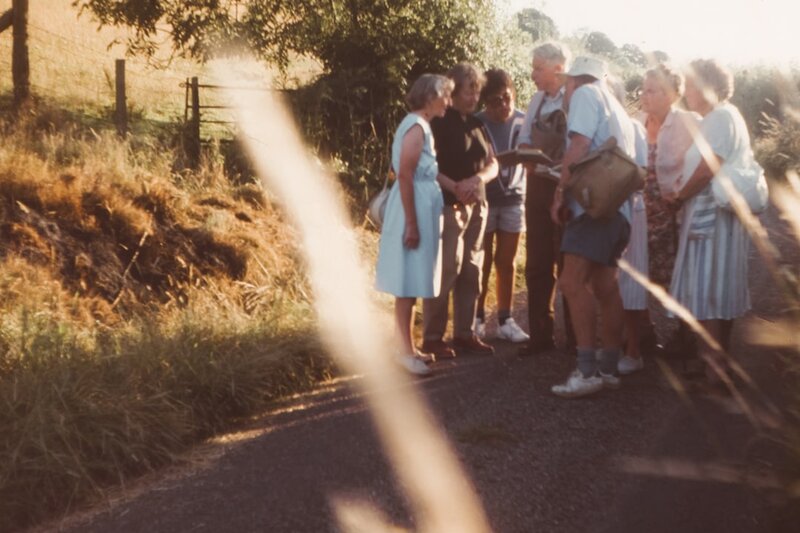
As the days grow longer and temperatures rise, summer in Ireland brings a welcome change of pace — longer evenings, outdoor activities, and a general lift in spirits. For people over 50, summer is a wonderful time to stay active, socialise, and enjoy the outdoors. But it also brings specific health considerations that are worth planning for.
Whether you’re heading out for a walk along the coast, tending the garden, or simply enjoying a cup of tea in the sunshine, a few practical steps can help you make the most of the season while staying safe and well.
TL;DR
- Older adults are more vulnerable to heat-related illness due to age-related changes in temperature regulation — stay hydrated and avoid peak sun hours (11am–3pm).
- Apply SPF 30+ sunscreen daily, even on overcast Irish days — UV rays penetrate cloud cover and skin cancer risk increases with age.
- Summer is ideal for outdoor exercise like walking, swimming, and gardening, but pace yourself and listen to your body.
- Hay fever and seasonal allergies can worsen with age — antihistamines and pollen forecasts from Met Éireann can help manage symptoms.
- Review medications with your GP or pharmacist, as some common drugs (diuretics, blood pressure medications) increase heat sensitivity and dehydration risk.
Why Summer Health Matters More After 50
As we age, our bodies become less efficient at regulating temperature. Research from the Irish Longitudinal Study on Ageing (TILDA) highlights that older adults are at greater risk of dehydration, heat exhaustion, and related complications — particularly those managing chronic conditions or taking certain medications.
Ireland may not be known for scorching heatwaves, but summer temperatures have been trending upward. Met Éireann has recorded increasingly warm spells, and the HSE issues heat health warnings more frequently than ever. Even moderate warmth can pose risks when combined with medications that affect fluid balance or sun sensitivity.
Staying Cool and Hydrated
Dehydration is one of the most common — and most preventable — summer health issues for people over 50. Thirst signals can become less reliable with age, meaning you may already be mildly dehydrated before you feel thirsty.
Practical tips:
- Aim for 6–8 glasses of fluid daily — water, diluted squash, herbal tea, and milk all count. Avoid excessive caffeine and alcohol, which can increase fluid loss.
- Carry a water bottle when heading out, especially on warm days or if you’re walking or gardening.
- Eat water-rich foods — summer fruits like watermelon, strawberries, and cucumber are refreshing and help with hydration.
- Watch for signs of dehydration: dark urine, dizziness, headache, dry mouth, or confusion. Seek medical advice if symptoms persist.
If you take diuretics (water tablets), blood pressure medication, or certain heart medications, have a conversation with your pharmacist about how summer heat may interact with your prescription. The HSE recommends reviewing medications with your GP before the warm months.
Sun Safety: It Matters in Ireland Too
It’s a common misconception that sun protection isn’t needed in Ireland. In reality, UV radiation can be significant even on cloudy days, and the Irish Cancer Society reports that skin cancer rates in Ireland are among the highest in Europe.
After 50, skin becomes thinner and more susceptible to UV damage. If you’ve spent decades working or socialising outdoors, accumulated sun exposure increases your risk of skin cancers including melanoma.
Sun safety essentials:
- Apply SPF 30+ broad-spectrum sunscreen to exposed skin, even on overcast days. Reapply every two hours if outdoors for extended periods.
- Wear a wide-brimmed hat and sunglasses with UV protection — this also helps protect your eyes from conditions like cataracts and macular degeneration.
- Avoid peak UV hours (typically 11am–3pm in Ireland during summer). Plan walks, gardening, and outdoor activities for the morning or early evening.
- Check your skin regularly for new or changing moles, and mention any concerns to your GP. The Irish Cancer Society’s SunSmart programme offers practical resources.
Making the Most of Outdoor Exercise
Summer is the perfect time to get moving outdoors. Walking, swimming, cycling, and gardening all offer significant health benefits — from cardiovascular fitness to improved mood and social connection.
Ireland’s network of greenways, marked walking trails (Slí na Sláinte), and public swimming facilities make it easy to stay active. Organisations like Get Ireland Walking, Swim Ireland, and local Active Retirement groups run summer programmes specifically designed for people over 50.
Tips for safe summer exercise:
- Start early or late — exercise in the cooler morning or evening rather than midday heat.
- Pace yourself — it takes your body time to acclimatise to warmer conditions. Increase intensity gradually.
- Wear light, breathable clothing and sturdy footwear appropriate to your activity.
- Take breaks and find shade if you feel overheated, dizzy, or unusually fatigued.
- Bring water and sun protection every time you head outdoors, even for short walks.
If you have a heart condition, respiratory condition, or mobility concern, ask your GP about appropriate activity levels for warm weather. Most people can enjoy outdoor exercise safely with a few common-sense adjustments.
Hay Fever and Seasonal Allergies
Many people assume hay fever is something you grow out of, but allergies can actually develop or worsen later in life. Pollen counts in Ireland have been increasing, and symptoms like sneezing, itchy eyes, and nasal congestion can significantly affect quality of life — and even disrupt sleep.
Managing seasonal allergies:
- Check the pollen forecast daily on Met Éireann’s website or app — stay indoors when counts are high.
- Take antihistamines as recommended — non-drowsy options are available over the counter. If you take other medications, check with your pharmacist for interactions.
- Shower and change clothes after spending time outdoors to remove pollen.
- Keep windows closed during high-pollen periods and dry laundry indoors.
Insect Bites, Ticks, and Outdoor Hazards
If you enjoy walking in woodlands, parks, or long grass, be aware of tick-borne infections. Lyme disease, while relatively uncommon in Ireland, does occur — particularly in areas with deer populations. Wear long trousers and light-coloured clothing so ticks are easier to spot, and check your skin after walks in rural areas.
Insect repellent can help, and if you find a tick, remove it promptly with a tick removal tool. See your GP if you develop a circular rash, flu-like symptoms, or joint pain after a tick bite.
Looking After Your Mental Wellbeing
Summer generally brings a boost in mood — more daylight, more social opportunities, and more time outdoors all contribute. But for some people, summer can also bring challenges: loneliness if friends or family are away travelling, disrupted routines, or anxiety about body image and outdoor social events.
Use the longer days as an opportunity to connect with others. Community groups, Active Retirement branches, Men’s Sheds, and local walking groups are often more active during summer months. Even a short daily walk with a neighbour can make a meaningful difference to both physical and mental health.
At Críonna Health, we believe that staying well in summer is about balance — enjoying everything the season offers while being mindful of the small adjustments that keep you safe. A little preparation goes a long way.
A Quick Summer Health Checklist
- ☀️ Sunscreen, hat, and sunglasses by the front door
- 💧 Water bottle filled and ready to go
- 💊 Medication review with GP or pharmacist
- 🚶 Walking shoes and breathable clothing laid out
- 📱 Met Éireann app for pollen and weather alerts
- 🩺 Skin check — note any changes to moles or marks
Summer in Ireland may be short, but it’s all the more reason to make the most of it — safely, actively, and with confidence.
📷 Photo by Annie Spratt on Unsplash