We all feel tired from time to time. But if you’re over 50 and finding that tiredness has become your constant companion — lingering long after a good night’s rest, making everyday tasks feel like a chore — it may be worth paying attention. Persistent fatigue is one of the most common complaints among older adults, yet it’s also one of the most frequently dismissed, both by those experiencing it and sometimes by the people around them.
The good news? Fatigue after 50 is rarely something you simply have to live with. Understanding what’s behind it can be the first step towards feeling more like yourself again.
TL;DR
- Persistent fatigue after 50 is extremely common — research suggests up to 42% of older adults experience it — but it is not an inevitable part of ageing.
- Medical causes include thyroid disorders, anaemia, vitamin deficiencies (B12, iron, vitamin D), depression, diabetes, and medication side effects.
- Lifestyle factors such as inactivity, poor sleep habits, dehydration, and social isolation can significantly drain energy levels.
- See your GP if fatigue persists for more than two weeks, or is accompanied by chest pain, breathlessness, or unexplained weight loss.
- Irish supports include free GP visit cards for over-70s, HSE chronic disease management programmes, and community-based activity groups through Active Retirement Ireland and Age Friendly Ireland.
Why Do Energy Levels Change After 50?
As we get older, a number of natural changes can affect how energetic we feel. Muscle mass gradually decreases, metabolism slows, and our sleep patterns shift — many people find they wake more frequently during the night or sleep more lightly. Research from the Irish Longitudinal Study on Ageing (TILDA) found that around 30% of Irish adults aged 50 and over experience impaired sleep duration, with both too little and too much sleep linked to poorer health outcomes.
But while some changes are a normal part of ageing, persistent or debilitating fatigue is not. It’s a signal worth investigating, not simply accepting.
Common Medical Causes Worth Ruling Out
If fatigue has crept into your daily life, your GP is the best starting point. A number of treatable medical conditions can cause or contribute to low energy:
- Thyroid disorders: An underactive thyroid (hypothyroidism) is particularly common in women over 50 and can cause profound tiredness, weight gain, and low mood. A simple blood test can check your thyroid function.
- Anaemia: Low iron levels reduce the blood’s ability to carry oxygen, leading to fatigue, pallor, and breathlessness. Iron-deficiency anaemia becomes more common with age.
- Vitamin deficiencies: Low levels of vitamin B12, vitamin D, or folate can all sap energy. In Ireland, where sunlight is limited for much of the year, vitamin D deficiency is widespread — TILDA research has consistently highlighted this.
- Depression and anxiety: The HSE notes that many people with unexplained tiredness also experience depression or anxiety, and treating these conditions often relieves the physical symptoms too.
- Diabetes: Undiagnosed or poorly managed Type 2 diabetes frequently causes fatigue as the body struggles to use glucose effectively.
- Medication side effects: Blood pressure tablets, statins, antihistamines, and sedatives can all contribute to tiredness. Never stop medication without consulting your GP, but do ask whether your prescriptions could be a factor.
Lifestyle Factors That Drain Your Energy
Sometimes the causes of fatigue are closer to home — and more within our control than we might think.
Inactivity
It sounds counterintuitive, but doing less can actually make you more tired. Regular physical activity — even a brisk 30-minute walk — improves circulation, strengthens muscles, and boosts mood. The World Health Organisation recommends at least 150 minutes of moderate-intensity activity per week for adults over 50, including aerobic exercise, strength training, and balance work. TILDA research confirms that moderate to high physical activity is strongly associated with better sleep and higher energy levels among Irish adults.
Poor Sleep Habits
Quality matters as much as quantity. Going to bed at irregular times, scrolling on screens before sleep, or drinking caffeine late in the day can all undermine rest. If you snore heavily or wake gasping, it’s worth asking your GP about sleep apnoea, which is underdiagnosed in older adults.
Dehydration
Our sense of thirst diminishes with age, meaning many older adults don’t drink enough water. Even mild dehydration can cause fatigue, difficulty concentrating, and headaches. Aim for six to eight glasses of fluid daily — water, herbal teas, and diluted juice all count.
Social Isolation
Loneliness and social withdrawal are strongly linked to fatigue and poorer self-perceived health. TILDA findings consistently show that older adults with active social lives report better physical and mental wellbeing. If your social circle has shrunk — through retirement, bereavement, or simply drifting apart — reconnecting can make a real difference to your energy levels.
When to See Your GP
While occasional tiredness is normal, you should make an appointment with your GP if:
- Fatigue has persisted for more than two weeks despite adequate rest
- You’re finding it difficult to carry out everyday activities like washing, dressing, or short walks
- Tiredness is accompanied by chest pain, breathlessness, unexplained weight loss, or persistent low mood
- You suspect your medication may be contributing
Your GP can arrange blood tests to check for thyroid function, iron levels, vitamin deficiencies, blood sugar, and other markers. If you’re over 70, remember that you’re entitled to a free GP visit card, which covers the cost of consultations.
Practical Steps to Boost Your Energy
While you’re working with your GP to rule out medical causes, there are evidence-based steps you can take today:
- Move daily: Start small if you need to. A 10-minute walk after lunch is a fine beginning. Local Active Retirement Ireland groups and Age Friendly Ireland programmes often run walking groups and gentle exercise classes — a great way to combine activity with social connection.
- Prioritise sleep hygiene: Keep a consistent bedtime, make your bedroom cool and dark, and avoid screens for at least 30 minutes before bed.
- Eat for energy: Focus on whole grains, lean protein, fruits, and vegetables. Avoid relying on sugary snacks for quick boosts — they lead to crashes. Consider asking your GP about a vitamin D supplement, particularly during the darker months.
- Stay hydrated: Keep a water bottle visible as a reminder to drink regularly throughout the day.
- Stay connected: Make a weekly plan to meet a friend, join a class, or volunteer. Organisations like ALONE Ireland offer befriending services if getting out feels difficult.
- Pace yourself: If energy is limited, plan your most demanding tasks for when you feel most alert — usually mid-morning — and build in rest periods.
Irish Supports and Resources
Ireland has a growing range of supports for older adults experiencing health concerns:
- HSE Chronic Disease Management Programme: If fatigue is linked to a chronic condition, your GP can manage it under this programme with structured care and regular reviews.
- TILDA (tilda.tcd.ie): Ireland’s landmark study on ageing, based at Trinity College Dublin, provides valuable research on health, wellbeing, and social participation among adults aged 50+.
- Active Retirement Ireland (activeretirementireland.com): Local groups nationwide offering social activities, exercise classes, and outings.
- ALONE (alone.ie): Support and befriending services for older adults who may be isolated.
- Age Friendly Ireland: A national programme supporting age-friendly communities with practical local initiatives.
You Deserve to Feel Well
Feeling perpetually drained is not simply the price of getting older. Whether the cause turns out to be a treatable medical condition, a lifestyle habit that’s quietly working against you, or a combination of both, there are steps you can take — and supports available to help you take them.
At Críonna Health, we believe that understanding your body’s signals is a powerful act of self-care at any age. If fatigue has been holding you back, consider this your gentle nudge to take it seriously, talk to your GP, and start reclaiming your energy.
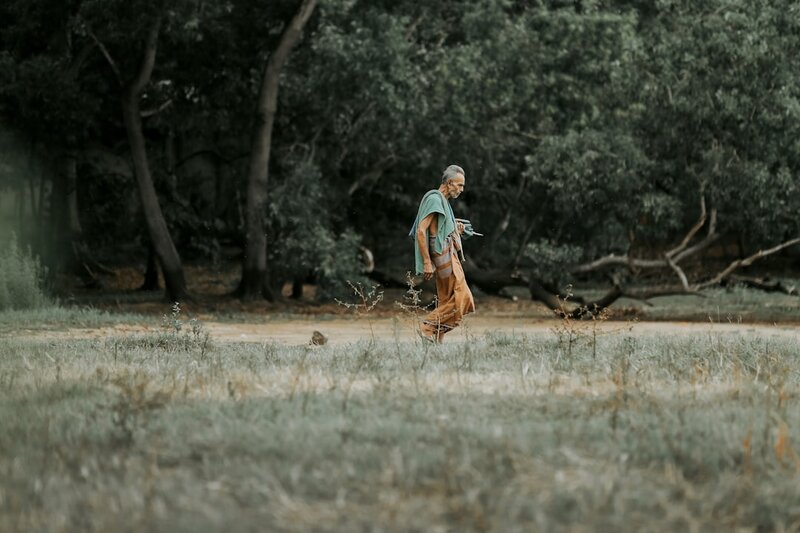
📷 Photo by Shyaman Prasad on Unsplash