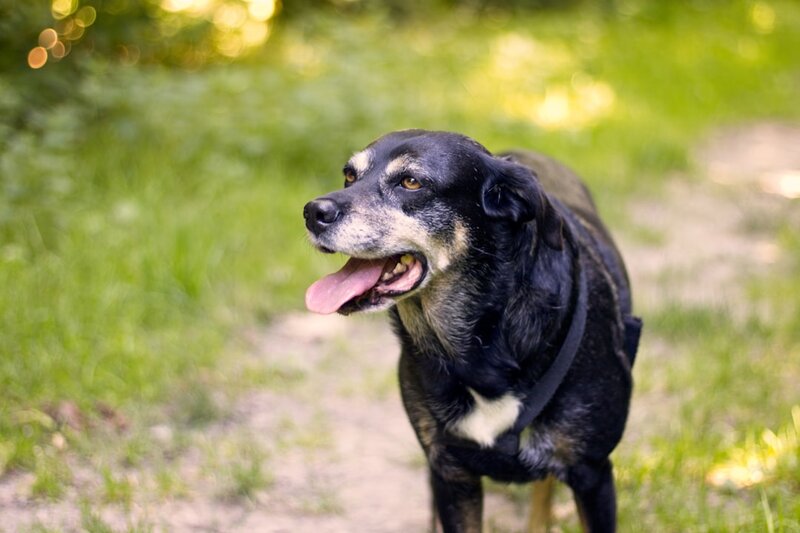
There is a reason people light up around animals. A dog nudging your hand for a walk, a cat settling into your lap, even the quiet rhythm of watching fish — these moments do something real for our health. And as we get older, the benefits of animal companionship become more significant, touching everything from heart health to social connection.
TL;DR
- Pet ownership is linked to lower blood pressure, reduced stress hormones, and better cardiovascular health in older adults
- Dogs in particular encourage daily physical activity — a key factor in healthy ageing
- Pets reduce loneliness and social isolation, two of the biggest health risks facing older adults in Ireland
- Practical considerations matter: costs, mobility, housing rules, and contingency planning should all be thought through
- If owning a pet is not feasible, volunteering with animal charities or visiting therapy animals can offer similar benefits
The Evidence: Why Pets Are Good for You
This is not sentimental fluff. A growing body of research supports the health benefits of pet ownership, particularly for people over 50.
The American Heart Association reviewed multiple studies and concluded that pet ownership — especially dog ownership — is associated with reduced cardiovascular risk. Pet owners tend to have lower blood pressure, lower cholesterol, and reduced triglyceride levels. A Swedish study following over 3.4 million people found that dog owners had a lower risk of death from cardiovascular disease, with the effect most pronounced among people living alone.
In Ireland, the Irish Longitudinal Study on Ageing (TILDA) has consistently highlighted that physical activity, social engagement, and a sense of purpose are among the strongest predictors of healthy ageing. Pets contribute to all three.
Physical Health: The Daily Walk Effect
Dog owners walk more. It sounds obvious, but the impact is significant. Research published in BMC Public Health found that dog owners are four times more likely to meet recommended physical activity guidelines than non-dog owners. For older adults, this is transformative.
Regular walking strengthens the heart, maintains bone density, improves balance (reducing fall risk), and supports joint mobility. Even 20-30 minutes of daily walking — the kind a dog will happily demand — meets the HSE’s recommendation for moderate physical activity.
This is not about marathon training. It is about consistent, gentle movement built into your daily routine. A dog does not care if it is raining. They need their walk, and so, it turns out, do you.
Mental Wellbeing: Companionship That Does Not Judge
Loneliness is one of the most serious health challenges facing older adults in Ireland. ALONE Ireland estimates that over 170,000 older people in the country experience loneliness, and research consistently links social isolation to increased risk of depression, cognitive decline, and even premature death.
Pets offer a form of companionship that is uncomplicated and constant. They provide structure to the day, a reason to get up in the morning, and a presence that simply being in the same room with can reduce cortisol (stress hormone) levels and increase oxytocin — the bonding hormone.
For people who have experienced bereavement, retirement, or a significant life change, this steady companionship can be a lifeline. A pet does not replace human connection, but it fills a gap that can otherwise become a void.
Social Connection: The Unexpected Bonus
One of the less obvious benefits of pet ownership is how animals open doors to human interaction. Dog walkers know this instinctively — you end up talking to people you would never otherwise meet. Regulars at the park, neighbours who stop to pet your dog, fellow walkers on the same morning route.
For older adults who may have a smaller social circle than they once did, these casual interactions matter. They create a sense of belonging in a community, even if the conversations are brief. Research from the University of Western Australia found that pet owners were 60% more likely to get to know people in their neighbourhood than non-pet owners.
In Ireland, community dog walking groups and pet-friendly social events are growing. Organisations like Age Action Ireland and local active retirement groups sometimes incorporate pet-friendly activities, recognising the social glue that animals provide.
Practical Considerations: Being Honest With Yourself
The benefits are real, but so are the responsibilities. Before taking on a pet, it is worth thinking through some practical questions.
Physical ability. Can you manage the physical demands? A large, energetic dog may not suit someone with mobility issues, but a smaller breed, an older rescue dog, or a cat might be perfect. Match the animal to your lifestyle, not the other way around.
Cost. The ISPCA estimates that the annual cost of keeping a dog in Ireland is between €1,000 and €2,000, including food, vet bills, insurance, and grooming. Cats are typically less expensive but still require regular veterinary care. If you are on a fixed income, factor this in honestly.
Housing. If you rent, check that your lease permits pets. Local authority housing in Ireland generally allows pets, but private rentals often have restrictions. The situation is improving — advocacy from the ISPCA and others has pushed for more pet-friendly rental policies — but it remains a barrier for some.
Contingency planning. What happens if you become unwell or need hospital care? Having a plan — a neighbour, family member, or friend who can step in — is essential. The ISPCA and Dogs Trust Ireland both offer advice on planning for your pet’s care in the event of an emergency.
Allergies and health conditions. Some respiratory conditions can be aggravated by pet hair or dander. If you have asthma or allergies, speak to your GP before committing. Hypoallergenic breeds or non-furry pets (birds, fish) may be alternatives worth exploring.
Not Ready to Own? There Are Other Options
Pet ownership is not the only way to benefit from animal companionship. Several alternatives offer many of the same rewards:
- Volunteer with animal charities. Dogs Trust Ireland, the ISPCA, and local rescue centres often need dog walkers and fosterers. You get the companionship without the full-time commitment.
- Pet therapy visits. Some nursing homes and community centres in Ireland host visits from therapy animals. Peata, an Irish charity, provides pet therapy services specifically for older adults in residential care.
- Borrow a pet. Platforms like BorrowMyDoggy connect dog owners with people who would like to spend time with a dog. It is popular across Ireland and the UK.
- Feed the birds. Even something as simple as maintaining a bird feeder in your garden creates a connection with nature. Studies have shown that watching birds from your window reduces feelings of anxiety and depression.
Choosing the Right Pet for Your Stage of Life
If you do decide to get a pet, choosing well makes all the difference:
- Older rescue dogs are often calmer, already trained, and deeply grateful for a settled home. Dogs Trust Ireland and the ISPCA frequently have older dogs looking for a quieter life.
- Cats are lower maintenance than dogs and perfectly suited to people who prefer a more independent companion.
- Small dogs — breeds like Cavalier King Charles Spaniels, Shih Tzus, or Bichon Frises — tend to be gentle, manageable, and happy with moderate exercise.
- Fish or birds offer calming companionship without the physical demands of a dog or cat.
A Small Change With Big Returns
The evidence is clear: animal companionship supports physical health, mental wellbeing, and social connection — three pillars of healthy ageing. Whether you adopt a rescue greyhound, welcome a cat into your home, or simply start volunteering at your local animal shelter, the relationship benefits both sides.
At Críonna Health, we believe that ageing well is about the everyday choices that add up over time. A pet will not solve everything, but the right animal companion can make the journey a good deal warmer.
📷 Photo by Lucas Doddema on Unsplash