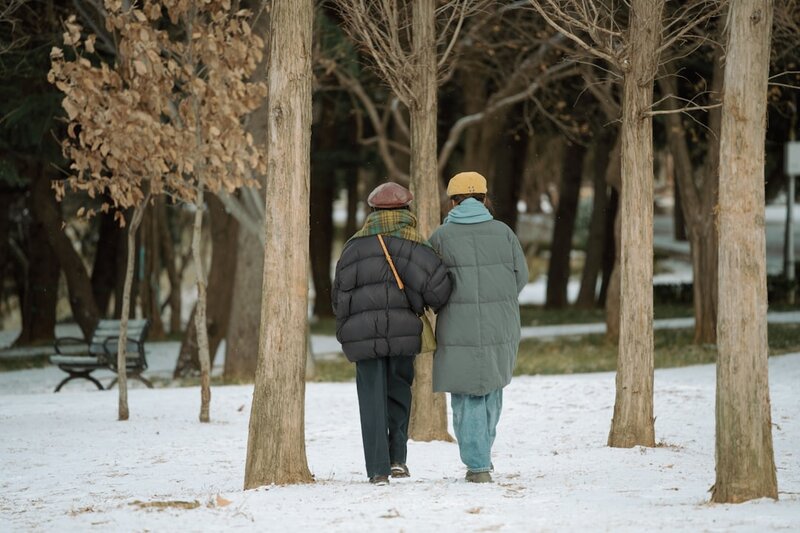
Loss is one of the most universal human experiences, yet when it arrives in later life, it carries a weight that can feel uniquely heavy. The death of a spouse after decades together. The passing of lifelong friends, one after another. The quieter losses too — of independence, of a family home, of the roles that once defined us.
Grief at any age is difficult. But for people in their 60s, 70s, and beyond, it often comes with particular challenges that deserve understanding and compassion — both from those around them and from themselves.
TLDR
Grief in later life is often compounded by multiple losses, social isolation, and a reluctance to seek help. There is no right way to grieve, and older adults deserve the same access to bereavement support as anyone else. Ireland has a growing network of free and low-cost services, from the Irish Hospice Foundation to local community groups, that can make a real difference.
Why Grief Hits Differently in Later Life
It’s a misconception that older adults cope better with loss because they’ve “had more practice.” Research from the Irish Longitudinal Study on Ageing (TILDA) consistently shows that bereavement in later life is associated with increased risk of depression, cognitive decline, and physical health problems.
Several factors make grief particularly challenging as we age:
Cumulative Loss
By the time someone reaches their 70s or 80s, they may have experienced the deaths of parents, siblings, friends, colleagues, and possibly a spouse. Each loss reopens earlier wounds. The grief isn’t just for one person — it’s for an entire generation, a way of life, a version of the world that no longer exists.
Loss of Identity
When a partner of 40 or 50 years dies, the surviving person doesn’t just lose their companion. They lose the person who knew them best, who shared their daily routines, who was woven into every aspect of their identity. “Who am I without them?” is a question that can feel impossible to answer.
Social Isolation
Grief can shrink a person’s world at the very moment they need connection most. Friends may not know what to say. Family may live far away. Physical limitations can make it harder to get out and be around people. In rural Ireland especially, isolation after bereavement remains a significant concern.
Disenfranchised Grief
Sometimes the losses that hurt most are the ones others don’t fully recognise — the death of an ex-spouse, a pet companion, a neighbour who popped in every morning. Older adults may feel their grief isn’t “valid enough” to warrant support, which only deepens the pain.
There Is No Right Way to Grieve
This bears repeating: there is no correct timeline, no proper sequence of stages, no moment when you should be “over it.” The widely known “five stages of grief” model was never intended as a prescription — it was an observation, and even its author, Elisabeth Kübler-Ross, later clarified that grief doesn’t follow a neat path.
Some people find comfort in routine. Others need to tear everything apart and start fresh. Some cry every day for months. Others feel numb for a long time before the tears come. All of these responses are normal.
What matters isn’t how you grieve, but that you allow yourself to grieve — and that you know support is available when you need it.
Recognising When Grief Needs Extra Support
While grief itself is not an illness, it can sometimes develop into what’s known as prolonged grief disorder or complicated grief. Signs that it might be time to seek professional support include:
- Intense grief that hasn’t eased at all after many months
- Difficulty carrying out basic daily activities — eating, sleeping, personal care
- Persistent feelings of hopelessness or that life has no meaning
- Withdrawal from all social contact
- Increased reliance on alcohol or medication to cope
- Thoughts of self-harm or not wanting to go on
If you or someone you know is experiencing any of these, please reach out. There is no shame in asking for help, and it can make an enormous difference.
Where to Find Support in Ireland
Ireland has a compassionate network of bereavement supports, many of them free or low-cost:
Irish Hospice Foundation — Bereavement Support Line
Freephone 1800 807 077 (Monday to Friday, 10am–1pm). Trained bereavement volunteers offer a listening ear and can signpost you to local services. The IHF also runs the excellent Living with Loss programme.
HSE Bereavement Counselling
Your GP can refer you to HSE-funded counselling services. Depending on your area, there may be dedicated bereavement counsellors available through your Local Health Office.
ALONE
ALONE supports older adults who are isolated, homeless, or in need. Their support line (0818 222 024) connects callers with befriending services, practical support, and community links — particularly valuable for those grieving in isolation.
Samaritans
Available 24/7 on 116 123 (freephone). Not just for crisis moments — the Samaritans are there for anyone struggling, at any time of day or night.
Local Bereavement Support Groups
Many communities across Ireland run bereavement support groups through parish centres, Active Retirement groups, and Family Resource Centres. These peer-led groups can be especially powerful — there’s comfort in sitting with people who truly understand what you’re going through.
Counselling and Psychotherapy
If you prefer one-to-one support, the Irish Association for Counselling and Psychotherapy (IACP) maintains a directory at iacp.ie where you can search for accredited therapists in your area, many of whom specialise in bereavement and loss.
Supporting Someone Who Is Grieving
If you’re a family member, friend, or carer of someone who has experienced a loss, your presence matters more than your words. A few things that genuinely help:
- Show up. A visit, a phone call, a text saying “thinking of you” — consistency matters more than grand gestures
- Say their name. Don’t avoid mentioning the person who died. Hearing their name spoken is often a comfort, not a trigger
- Don’t rush them. Avoid phrases like “they’re in a better place” or “you need to move on.” These, however well-meant, can feel dismissive
- Offer practical help. Cooking a meal, helping with paperwork, driving to appointments — these concrete acts of kindness speak louder than words
- Check in after the funeral. The weeks and months after the initial bereavement are often the hardest, when the world moves on but the grief remains
Finding Meaning After Loss
With time, many people find that grief doesn’t disappear but transforms. The sharp edges soften. The memories become more warm than painful. Some people find meaning through volunteering, through legacy projects, through writing or art, through deepening other relationships.
This isn’t about “getting over it” — it’s about learning to carry it differently. And there is no timeline for that. It takes as long as it takes.
At Críonna Health, we believe that every stage of life deserves dignity, understanding, and support — and that includes the hardest moments. If you or someone you love is navigating grief, please don’t hesitate to reach out to any of the services listed above. You don’t have to do this alone.
📷 Photo by Ahmed Nishaath on Unsplash