There is a quiet revolution happening in community halls, libraries, and kitchen tables across Ireland. People in their 50s, 60s, 70s, and beyond are picking up paintbrushes, joining choirs, writing memoirs, and discovering creative sides of themselves they never knew existed. Far from being a pleasant pastime, creativity in later life is emerging as one of the most powerful tools we have for staying well — mentally, physically, and socially.
TL;DR
- Creative activities like painting, music, writing, and drama have measurable benefits for mental health, cognitive function, and social connection in later life
- Research from TILDA and the WHO confirms that arts engagement is linked to lower rates of depression, better cognitive outcomes, and reduced loneliness
- Ireland’s Bealtaine Festival (May) celebrates creativity as we age — with free events nationwide
- Age & Opportunity, local ETBs, and community arts centres offer accessible, low-cost creative programmes for older adults across Ireland
- You don’t need talent or experience — the health benefits come from the process of creating, not the finished product
What the Research Tells Us
The evidence base for creativity and health in later life has grown substantially in recent years. The World Health Organisation’s landmark 2019 report on arts and health reviewed over 3,000 studies and found that arts engagement is associated with improved mental health outcomes, reduced cognitive decline, and lower levels of loneliness and social isolation.
Closer to home, findings from the Irish Longitudinal Study on Ageing (TILDA) at Trinity College Dublin consistently highlight the importance of social participation and mentally stimulating activities for healthy ageing. TILDA data shows that older adults who engage in social and leisure activities — including creative pursuits — report better quality of life and fewer depressive symptoms.
A 2022 study published in The Gerontologist found that participation in community arts programmes was associated with a 3.6% reduction in doctor visits among older adults and significant improvements in self-reported wellbeing. The effects were strongest among those who had been experiencing loneliness beforehand.
How Creativity Supports Healthy Ageing
Cognitive Benefits
Learning a new creative skill — whether it’s watercolour painting, playing the tin whistle, or writing poetry — challenges the brain in ways that routine activities do not. This kind of novel, complex engagement supports neuroplasticity, the brain’s ability to form new connections throughout life. Research suggests that sustained creative engagement may help delay the onset of cognitive decline and support memory function.
Emotional Wellbeing
Creative expression offers a way to process emotions that words alone sometimes cannot capture. For people navigating grief, retirement, health changes, or other life transitions, art-making can provide a sense of meaning and purpose. Music, in particular, has been shown to reduce anxiety and improve mood — even for people living with dementia, familiar songs can unlock memories and emotional responses that other interventions cannot reach.
Social Connection
One of the most powerful aspects of community-based creative programmes is the social connection they foster. Joining a writing group, a community choir, or a pottery class brings people together around a shared activity — often breaking down barriers that can make socialising feel daunting. For people who have recently retired or lost a partner, creative groups can be a lifeline.
Physical Health
Some creative activities also offer physical benefits. Dance improves balance, coordination, and cardiovascular fitness. Gardening (a creative act in its own right) builds strength and flexibility. Even seated crafts like knitting or woodcarving support fine motor skills and hand-eye coordination.
Getting Started in Ireland
Bealtaine Festival
If you’re curious about exploring creativity, there’s no better time than May, when Ireland’s Bealtaine Festival takes place. Run by Age & Opportunity, Bealtaine is a national celebration of creativity as we age, with hundreds of free events in venues across the country — from art exhibitions and poetry readings to dance workshops and film screenings. It’s a wonderful, low-pressure way to dip your toe in. Check bealtaine.ie for this year’s programme.
Local Education and Training Boards (ETBs)
Ireland’s 16 ETBs offer a wide range of community education courses, many of them free or very low cost. You’ll find classes in creative writing, painting, ceramics, photography, and more — often held in accessible local venues. These courses are designed to be welcoming and inclusive, with no prior experience needed. Contact your local ETB or visit etbi.ie to find what’s available near you.
Community Arts Centres and Libraries
Ireland’s network of public libraries has expanded its creative programming significantly in recent years. Many branches now offer book clubs, creative writing workshops, art classes, and digital storytelling sessions — all free. Local arts centres, often supported by the Arts Council, also run programmes specifically for older adults.
Men’s Sheds
For men who might be less inclined to join a traditional art class, Men’s Sheds offer a brilliant alternative. While often associated with woodwork and practical skills, many Sheds now include photography groups, storytelling projects, and music sessions. The informal, social atmosphere makes them an ideal entry point. Ireland has over 450 Men’s Sheds — find your nearest at menssheds.ie.
Active Retirement Ireland
Active Retirement Ireland has over 500 local groups across the country, many of which include arts and crafts, drama, and music among their activities. Membership is open to anyone who is retired or semi-retired, and it’s a great way to meet like-minded people while exploring new interests.
You Don’t Need to Be “Good at Art”
Perhaps the biggest barrier to creative engagement in later life is the belief that you need talent or training. You don’t. The health benefits of creativity come from the process of making — the focus, the flow, the expression — not from the quality of the finished product. A wonky pot, an out-of-tune song, or a rough sketch all “count” just as much as a masterpiece.
As the saying goes, the best time to start was twenty years ago; the second-best time is now. Whether you’re picking up a paintbrush for the first time or returning to a creative passion you set aside decades ago, the evidence is clear: making things is good for you.
How Críonna Health Can Help
At Críonna Health, we believe that healthy ageing is about far more than medical check-ups and medications. Creativity, connection, and purpose are essential ingredients for a life well lived. We’re here to help you find the resources and supports that work for you — whether that’s pointing you towards your local Bealtaine events, connecting you with community programmes, or simply reminding you that it’s never too late to start something new.
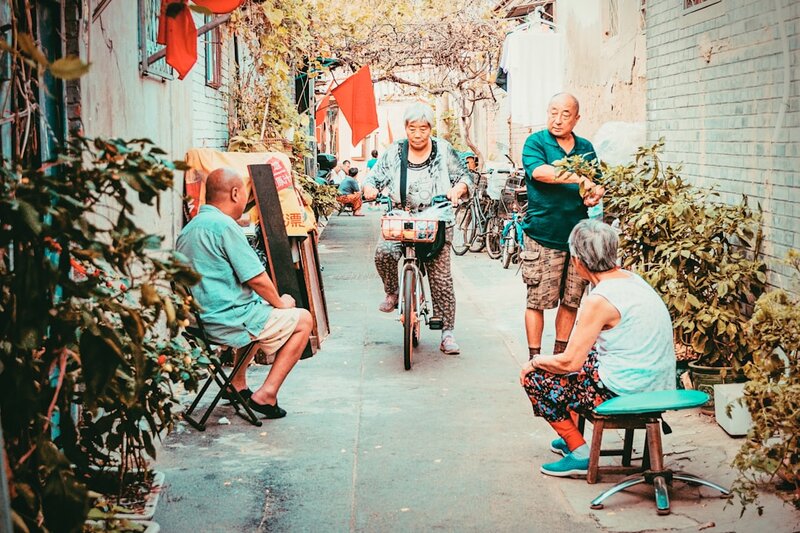
📷 Photo by zhang kaiyv on Unsplash