Healthcare is changing, and not just behind hospital doors. Across Ireland, a quiet revolution is making it possible to see your doctor, review test results, and manage chronic conditions without leaving your sitting room. It’s called telehealth, and if you haven’t tried it yet, now is a good time to start.
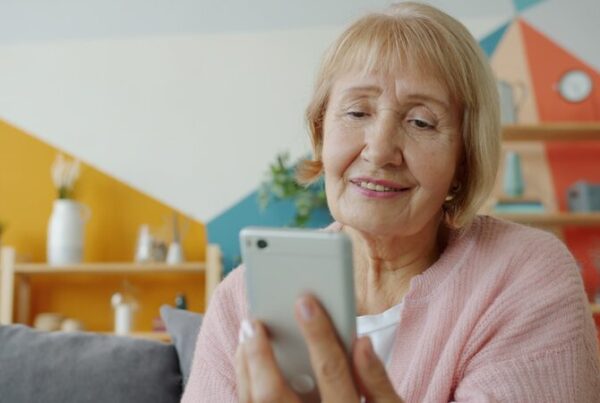
For many older adults, the idea of a medical appointment through a screen can feel unfamiliar or even daunting. That’s perfectly understandable. But telehealth isn’t about replacing the relationship you have with your GP or consultant. It’s about adding another way to stay connected to your care, particularly when getting to a surgery or hospital isn’t easy.
TLDR
Telehealth allows older adults in Ireland to access GP consultations, specialist appointments, and health monitoring from home. The HSE is investing €15 million to roll out remote health monitoring nationwide in 2026, and the HSE Health App already lets over 900,000 patients view appointments. This guide covers what telehealth is, how to access it, and practical tips for getting comfortable with virtual healthcare.
What Is Telehealth, Exactly?
Telehealth is a broad term for any healthcare service delivered remotely using technology. In practice, this might mean:
- Video consultations with your GP or specialist, using a smartphone, tablet, or computer
- Phone consultations for follow-ups, medication reviews, or non-urgent queries
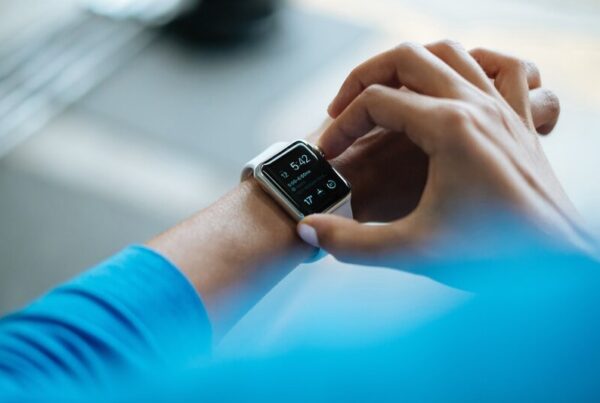
- Remote monitoring of chronic conditions like blood pressure, diabetes, or heart health using wearable devices or home monitors that send data to your care team
- The HSE Health App, which lets you view hospital appointments, access your medical card details, and manage your health information digitally
None of this replaces face-to-face care when you need it. Think of telehealth as an additional tool in your healthcare toolkit, one that can save you time, travel, and the stress of sitting in a waiting room.
What’s Happening in Ireland Right Now
Ireland’s telehealth landscape has developed significantly in recent years. The HSE has committed to expanding digital health services as part of its National Service Plan, and there are some noteworthy developments worth knowing about.
The HSE Health App: Launched and steadily expanded, the app now allows over 900,000 patients across 31 hospitals to view their upcoming appointments. It’s a simple starting point for anyone wanting to engage with digital health services. The app is free, available on both iPhone and Android, and designed to give you secure access to your own health information.
Remote health monitoring: The HSE has announced plans to roll out remote health monitoring nationwide, with an estimated budget of €15 million and expansion due to begin around mid-2026. This means more people with chronic conditions will be able to have their health data, like blood pressure or blood sugar levels, tracked remotely by their care team without needing to attend clinic appointments as frequently.
Virtual wards: The development of virtual ward models of care is a cornerstone of the government’s health strategy. This approach allows patients who might otherwise need a hospital bed to be monitored safely from home, with clinical teams keeping a close eye on their progress through digital tools.
How to Access Telehealth Services
Through Your GP
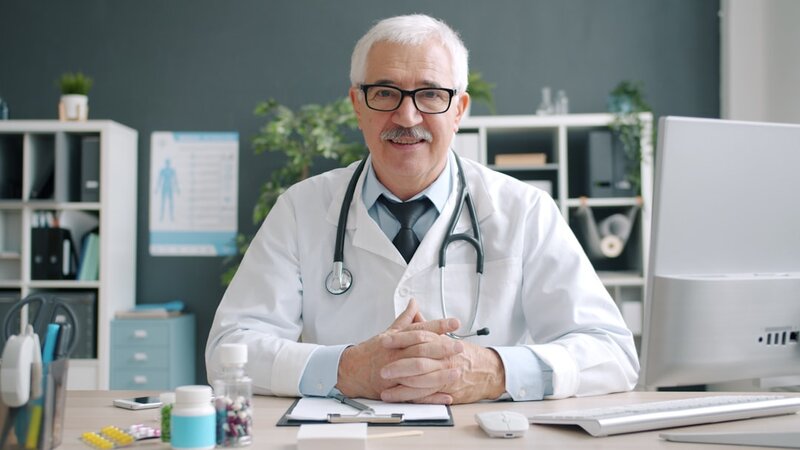
Many GP practices across Ireland now offer video or phone consultations alongside traditional in-person visits. If your practice hasn’t mentioned this option, it’s worth asking. Some practices use platforms like VideoDoc or their own systems to facilitate remote appointments. The process is usually straightforward: you book as normal, receive a link or phone call at your appointment time, and speak with your doctor from the comfort of home.
Through the HSE
Download the HSE Health App from the App Store or Google Play. You’ll need to verify your identity to access your records, but the setup process is guided step by step. Once registered, you can view appointments and, as more features roll out, access an increasing range of health information.
Through Private Providers
Several private telehealth services operate in Ireland, offering on-demand consultations for a fee. These can be useful for non-urgent matters when your own GP isn’t available, though it’s always best to maintain continuity of care with your regular doctor where possible.
Practical Tips for Getting Started
If you’re new to video calls or health apps, here are some straightforward tips to make the experience smoother:
Test your setup beforehand. If you have a video consultation coming up, do a practice run. Check that your camera and microphone work. A tablet propped up on a table often works better than holding a phone. Good lighting (facing a window, for example) helps your doctor see you clearly.
Prepare as you would for any appointment. Write down your symptoms, questions, and any medications you’re taking. Have them to hand during the call. Just because it’s virtual doesn’t mean you should wing it.
Choose a quiet, private space. You’ll want somewhere you can speak openly about your health without interruptions. Let others in the house know you have an appointment.
Don’t be afraid to ask for help. If the technology feels overwhelming, ask a family member, friend, or neighbour to help you set up the first time. Many local libraries and community centres also offer digital skills workshops. Age Action Ireland runs programmes specifically designed to help older adults build confidence with technology.
Start with something simple. You don’t need to dive into video consultations straight away. Downloading the HSE Health App and simply viewing your appointments is a gentle first step into digital health.
When Telehealth Is Right (and When It Isn’t)
Telehealth works well for:
- Follow-up appointments and medication reviews
- Discussing test results
- Managing ongoing chronic conditions
- Mental health check-ins
- Non-urgent queries or advice
It’s less suitable for:
- Physical examinations that require hands-on assessment
- Emergencies (always call 999 or 112)
- Complex new symptoms that need in-person investigation
A good GP will tell you if they need to see you in person. Telehealth is about convenience and access, not about cutting corners on care.
Overcoming Common Concerns
“I’m not good with technology.” You don’t need to be. The tools used for telehealth are designed to be simple. If you can make a phone call, you’re most of the way there. And remember, phone consultations count as telehealth too. No screen required.
“It’s not as good as seeing a doctor in person.” For some things, you’re absolutely right. But for routine check-ins, follow-ups, and ongoing management, research consistently shows telehealth delivers comparable outcomes. The TILDA (The Irish Longitudinal Study on Ageing) research has highlighted that reducing barriers to healthcare access is crucial for the wellbeing of older adults in Ireland.
“Is my information safe?” The HSE Health App and reputable telehealth platforms use encryption and security measures to protect your data. Your health information is treated with the same confidentiality as an in-person visit.
Looking Ahead
With the HSE’s €15 million investment in remote monitoring and the continued expansion of the Health App, telehealth in Ireland is only going to grow. For older adults, this means more choice, more convenience, and fewer barriers to staying on top of your health.
At Críonna Health, we believe that access to healthcare should never be limited by distance, mobility, or digital confidence. Telehealth is one piece of a larger puzzle, making it easier for people to age well, stay connected to their care teams, and take an active role in their own health.
The technology will keep evolving. What matters most is that it evolves in a way that works for everyone, including those who didn’t grow up with a smartphone in their pocket.
📷 Photo by Vitaly Gariev on Unsplash