Most of us notice it in the same places: the plughole after a shower, the pillow, the part in the mirror looking wider than last year. Thinning hair is one of the commonest changes people mention in their fifties and sixties, and one of the least discussed. Yet a few types are time-critical, because the follicle can be lost for good, and there is a State grant of up to €500 a year towards a hairpiece that many people never claim.
TL;DR
- Losing 50 to 100 hairs a day is normal. Clumps, sudden shedding or an itchy, sore or shiny scalp is not, and needs a GP.
- Scarring alopecias such as frontal fibrosing alopecia destroy the follicle permanently, and eyebrow thinning is often the first sign.
- Diffuse shedding starts two to three months after its trigger, which is why people blame the wrong cause.
- The HSE is blunt on two points: no shampoo regrows hair, and the evidence for supplements is not there.
- The Treatment Benefit Scheme pays up to €500 a year towards a wig or hairpiece for alopecia areata, scarring alopecias and hair loss from cancer treatment. Pattern baldness is not covered.
One distinction shapes everything that follows. Shedding, where more hair than usual is coming out, means the hair cycle has been disrupted, and it is often reversible. Thinning, where what remains is finer and sparser, is gradual and usually is not.
The four patterns worth knowing after 50
Pattern hair loss
The commonest type by a distance, inherited and hormone-sensitive. In men it starts at the temples and crown; in women it shows as a widening part with the front hairline usually preserved. The HSE makes a point worth repeating: female pattern hair loss is not simply a consequence of age or menopause, though many women first notice it in their fifties.
Telogen effluvium
Diffuse shedding from the whole scalp, triggered by something the body registered as a shock: a serious infection, an operation, significant weight loss, a bereavement, a new medicine, or iron deficiency. The detail that matters is the delay. Shedding usually begins two to three months after the trigger, so by the time hair comes out in handfuls the cause looks like ancient history. Once it is dealt with, hair generally recovers over six to twelve months.
Alopecia areata
Smooth, well-defined round patches appearing over weeks, sometimes in the beard or eyebrows, caused by the immune system attacking the follicle. The follicle survives, so regrowth is possible, and severe disease now has real options in the JAK inhibitors, baricitinib being the usual first choice of Irish dermatologists.
Scarring alopecia: the one that will not wait
In scarring (cicatricial) alopecias such as frontal fibrosing alopecia and lichen planopilaris, inflammation destroys the follicle and replaces it with scar tissue. The signs differ from ordinary thinning: itch, burning or tenderness; a hairline that keeps marching backwards; and skin that looks smooth and slightly shiny, because the tiny follicular openings have gone.
Frontal fibrosing alopecia mainly affects women after menopause and has grown more common. Its signature clue is not on the scalp at all. In one study of 151 women, eyebrow loss came before the scalp changes in roughly 44% of cases. Thinning eyebrows in your fifties are easy to file under “getting older” and cover with a pencil, which is exactly why the diagnosis arrives late. Scarred follicles cannot be brought back, so treatment aims at halting progression, and early referral is the whole ballgame.
When to see your GP
The HSE advises an appointment if you have hair loss that is itchy or sore, are losing hair in clumps, have sudden hair loss, or are simply worried. Add any receding hairline with eyebrow thinning, and any patch of shiny or scaly skin.
Be specific when you go. “My hair is thinning” invites reassurance. “This patch itches, my hairline has moved back since spring, and my eyebrows have thinned” prompts a very different referral.
What a proper assessment involves
It starts with the scalp itself, examined in decent light, for whether the follicular openings are still there. Bloods usually cover a full blood count, ferritin and thyroid function, since iron deficiency and thyroid disease are common, treatable causes of shedding. The step most often skipped is a medicines review: anticoagulants, some beta blockers, retinoids, certain antidepressants and rapid weight-loss treatment can all provoke it. Scalp psoriasis and fungal infection shed hair too.
What works, and what is a waste of money
Topical minoxidil (Regaine) is sold over the counter in Irish pharmacies in 2% and 5% strengths, for men and women. It needs four to six months before you can judge it, often increases shedding at first, and only works while you keep using it.
Finasteride tablets are prescription-only here and licensed for men. In June 2025 EU regulators confirmed suicidal thoughts as a side effect and required a patient alert card in 1 mg packs: if your mood changes on it, stop and speak to your doctor.
On everything else the HSE is refreshingly direct: no shampoo will regrow hair, the evidence for vitamins and supplements is not there, and talk to your GP before signing up with a commercial hair clinic, because you want a diagnosis before you buy an expensive plan.
The €500 grant most people miss
Under the Treatment Benefit Scheme, the Department of Social Protection pays for one hair replacement item per calendar year, up to €500. It is not means-tested, and it is not a HSE scheme: it runs on PRSI.
Qualifying conditions include alopecia areata, primary scarring alopecias, frontal fibrosing alopecia, lichen planopilaris, chemotherapy-induced hair loss, and alopecia from surgery or trauma. Pattern hair loss is not covered, and neither are topical or surgical treatments.
From 29 to 65 you generally need 260 paid PRSI contributions plus recent ones, with separate rules from 66 on. Two details catch people out: qualify between 60 and 65 and you keep the entitlement for life, so retirement does not disqualify you, and a dependent spouse, civil partner or cohabitant can claim on the insured person’s record. Buy from the Department’s approved supplier list, and the supplier will check your eligibility before you spend a euro. If you do not qualify, ask about a wig through your medical card.
Where to get support in Ireland
Alopecia Ireland runs peer support groups and online meet-ups. The Irish Skin Foundation helpline (01 486 6280, weekdays 10am to 4.30pm) is free and staffed by dermatology clinical nurse specialists, which is a rare thing to reach without a referral. If hair loss is causing real distress, your GP can arrange counselling.
So: shedding that began three months after something big needs bloods and patience, while an itchy, receding or shiny scalp needs a dermatology referral sooner rather than later. Ask about the hairpiece grant at that appointment, since you need a prescription for it anyway. Thinning hair also exposes a scalp that spent decades in shade, so a hat or sunscreen along the part line is now basic maintenance: see our guide to skin cancer after 60, and to nail health after 50.
This article is for general information and is not a substitute for individual medical advice. If you are concerned about hair loss, talk to your GP or pharmacist.
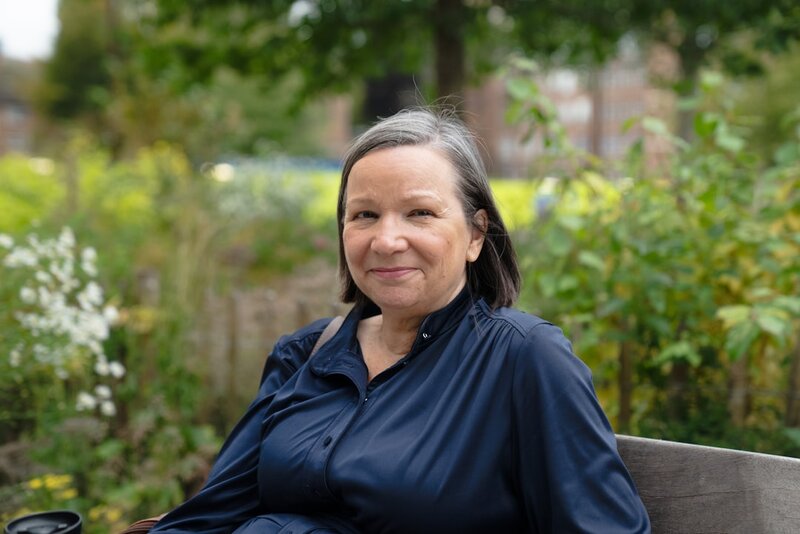
📷 Photo by Centre for Ageing Better on Unsplash