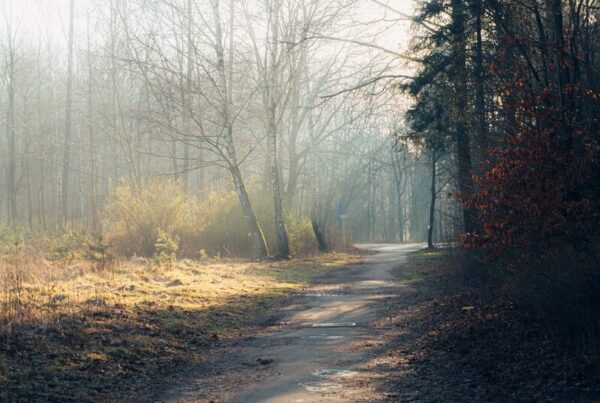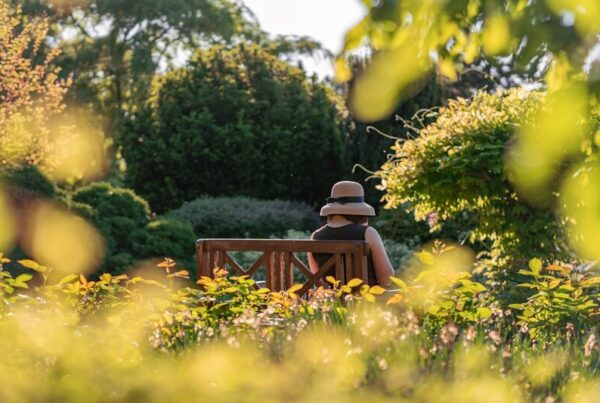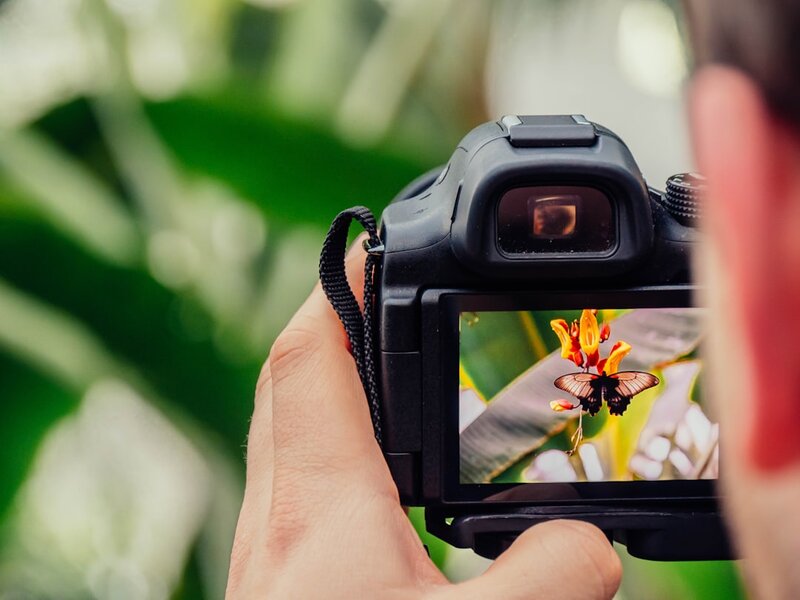
There is something quietly powerful about pausing to look — really look — at the world around you. A shaft of light catching a hedgerow. Frost on a gate latch. The changing sky over Galway Bay. Photography invites us to slow down, notice what we might otherwise miss, and engage with our surroundings in a way that benefits both body and mind.
For adults over 50, photography is far more than a pleasant pastime. A growing body of research suggests that creative pursuits like photography can support cognitive health, reduce stress, strengthen social connections, and even get us moving more. Best of all, you don’t need expensive equipment or years of training — a smartphone will do just fine.
TL;DR
- Photography supports cognitive health by engaging attention, memory, and creative problem-solving — research from the University of Texas found that learning photography improved episodic memory in older adults.
- It encourages gentle physical activity: walking with purpose, exploring new locations, and spending time outdoors — all linked to better cardiovascular and mental health.
- Camera clubs, photography walks, and online communities offer meaningful social connection, combating loneliness and isolation.
- Mindful photography — focusing on the present moment through a lens — has been shown to reduce anxiety and improve mood, functioning much like a moving meditation.
- Ireland offers exceptional opportunities: from Heritage Week photo competitions to local camera clubs affiliated with the Irish Photographic Federation, there are welcoming entry points for beginners of any age.
Why Photography Is Good for Your Brain
Learning any new skill after 50 benefits cognitive health, but photography is particularly effective because it engages multiple brain functions simultaneously. You’re making aesthetic decisions, solving technical problems (even if just adjusting your phone’s focus), recalling techniques, and processing visual information — all at once.
A landmark 2013 study from the University of Texas at Dallas found that older adults who spent 15 hours a week learning digital photography showed significant improvements in episodic memory compared to those doing less cognitively demanding activities. The key was that photography was productively challenging — it pushed participants just beyond their comfort zone.
This aligns with what researchers at the Irish Longitudinal Study on Ageing (TILDA) have consistently found: that engaging in stimulating leisure activities is associated with better cognitive function and lower rates of cognitive decline in Irish adults over 50.
A Gentle Way to Stay Active
One of the underappreciated benefits of photography is that it gets you moving — often without it feeling like exercise. When you head out with a camera, you walk further, explore new routes, and spend more time outdoors than you might otherwise.
Ireland’s landscape is, of course, endlessly photogenic. A morning walk along the Burren, a stroll through the Phoenix Park, or a wander around your local greenway becomes more purposeful when you’re looking for compositions and light. The HSE recommends at least 150 minutes of moderate physical activity per week for adults over 50, and a few photography outings can contribute meaningfully to that target.
Time spent in nature has its own well-documented health benefits. Research published in the journal Environmental Health Perspectives links regular outdoor activity to lower blood pressure, reduced cortisol levels, and improved immune function — benefits that compound when combined with the cognitive engagement of photography.
Mindfulness Through the Lens
If you’ve ever tried mindfulness meditation and found it difficult to sit still, photography may offer an alternative route to the same destination. The practice of looking carefully, noticing details, and being present in a moment is central to both mindfulness and good photography.
Researchers at Lancaster University found that a structured “mindful photography” programme — where participants were asked to photograph things they found beautiful, interesting, or meaningful each day — led to measurable improvements in wellbeing and reductions in anxiety over just two weeks.
You don’t need a formal programme to try this. Simply setting yourself the task of photographing three things you’re grateful for each day, or documenting the changing seasons in your garden, can shift your attention towards the positive aspects of daily life.
Building Social Connections
For many people, photography opens the door to new friendships and communities. Camera clubs meet regularly across Ireland, and most welcome beginners warmly. The Irish Photographic Federation (IPF), which oversees affiliated clubs nationwide, lists groups from Donegal to Cork — many with members well into their 70s and 80s who are happy to share their knowledge.
Photography walks and outings organised by clubs, Active Retirement groups, and local libraries offer a social activity with built-in conversation starters. There’s always something to discuss — the light, the composition, the story behind an image.
Online communities are another option. Platforms like Flickr, Instagram, and dedicated Facebook groups allow you to share your work, receive encouragement, and connect with like-minded people from the comfort of home. For those less confident with technology, Age Action Ireland and local Education and Training Boards (ETBs) often run digital skills courses that include smartphone photography.
You Don’t Need Expensive Equipment
One of the most common barriers is the belief that you need a costly camera to take good photographs. You don’t. Modern smartphones produce images of remarkable quality, and they have the advantage of always being in your pocket.
If you do want to explore further, second-hand digital cameras are widely available and affordable. But many award-winning photographs — including entries in competitions run by the IPF and during Heritage Week — have been taken on phones.
What matters far more than equipment is learning to see. A few simple principles — the rule of thirds, using natural light, getting closer to your subject — can transform your images overnight. Free tutorials are available on YouTube, and many libraries stock excellent photography books.
Getting Started in Ireland
If you’re interested in picking up photography, here are some practical starting points:
- Join a local camera club: The Irish Photographic Federation (irishphoto.ie) maintains a directory of affiliated clubs across the country. Most meet weekly or fortnightly and welcome all levels.
- Try a course: ETBs and community colleges frequently offer beginner photography courses at modest fees. Some Active Retirement groups also organise photography workshops.
- Enter a competition: Heritage Week (August), run by the Heritage Council, often includes photography competitions celebrating Ireland’s natural and built heritage. It’s a lovely, low-pressure way to challenge yourself.
- Walk with purpose: Combine photography with one of Ireland’s many greenways or looped walks. The Sport Ireland Outdoors website lists trails nationwide, many of which are accessible and well-maintained.
- Start a project: Document your local area across the seasons, photograph wildflowers, or create a visual diary of your grandchildren growing up. Having a project gives your photography direction and meaning.
Photography and Living Well with Críonna Health
At Críonna Health, we believe that healthy ageing is about much more than medical check-ups and exercise — though those matter too. It’s about staying curious, connected, and engaged with the world around you. Photography ticks all of those boxes.
Whether you’re capturing the light on a winter morning or sharing your best shots with friends at a camera club, you’re investing in your cognitive health, your physical wellbeing, and your sense of purpose. And in a country as visually rich as Ireland, you’ll never run out of subjects.
So dust off that old camera, or simply open the one on your phone. The world is waiting to be seen through your eyes.
📷 Photo by Jamie Street (@jamie452) on Unsplash