Have you noticed that food just doesn’t appeal the way it used to? Perhaps you find yourself skipping meals more often, or that the portions on your plate have quietly shrunk over the years. You’re far from alone. Changes in appetite are one of the most common — yet least discussed — aspects of getting older.
The good news is that understanding why your appetite changes can help you take practical steps to stay well-nourished, energised, and enjoying your food for years to come.
TL;DR
- Appetite naturally declines after 50 due to hormonal shifts, slower metabolism, changes in taste and smell, and medication side effects — a phenomenon researchers call the “anorexia of ageing.”
- Unintentional weight loss and poor nutrition in later life are linked to increased risk of falls, weakened immunity, slower wound healing, and loss of independence.
- Small, nutrient-dense meals eaten regularly are more effective than trying to force large portions — quality matters more than quantity.
- Social eating, flavour-boosting strategies, and a medication review with your GP or pharmacist can make a real difference.
- Irish supports including the HSE CDM Programme, INDI-registered dietitians, Meals on Wheels, and community dining initiatives can help if you or a loved one is struggling with appetite.
What Is the “Anorexia of Ageing”?
The term might sound alarming, but the anorexia of ageing simply refers to the natural, gradual decline in appetite and food intake that many people experience as they get older. Research from the Irish Longitudinal Study on Ageing (TILDA) has found that a significant proportion of adults over 50 in Ireland are at risk of malnutrition — not because food is unavailable, but because appetite diminishes.
This isn’t about willpower or fussiness. It’s a genuine physiological shift that affects everything from hormone levels to how your brain registers hunger.
Why Does Appetite Change After 50?
Several factors work together to reduce your desire to eat:
Hormonal and metabolic changes
As we age, levels of ghrelin (the “hunger hormone”) tend to decrease, while cholecystokinin (a hormone that signals fullness) becomes more sensitive. The result? You feel full more quickly and less hungry between meals. Your basal metabolic rate also slows, meaning your body requires fewer calories — but crucially, your need for key nutrients like protein, calcium, and vitamin D stays the same or even increases.
Changes in taste and smell
By your 60s and 70s, many people notice that food tastes blander. The number of taste buds declines, and the sense of smell — which accounts for much of what we perceive as flavour — often dulls. If food doesn’t taste as good, it’s only natural that you’ll feel less inclined to eat.
Medication side effects
Many common medications prescribed to older adults can suppress appetite or alter taste. These include certain blood pressure medications, antidepressants, proton pump inhibitors (PPIs), antibiotics, and pain relievers. If you’ve noticed a change in appetite after starting a new medication, it’s worth discussing with your GP or pharmacist.
Dental and swallowing difficulties
Sore gums, poorly fitting dentures, dry mouth, or mild swallowing difficulties can make eating uncomfortable or even anxiety-provoking. These issues are treatable, but many people simply adapt by eating less rather than seeking help.
Loneliness and low mood
Eating is fundamentally a social activity. Research consistently shows that people who eat alone tend to eat less and choose less varied food. Bereavement, living alone, or reduced social contact — all more common in later life — can significantly dampen the motivation to prepare and enjoy meals.
Why It Matters: The Risks of Under-Eating
A reduced appetite might seem harmless — after all, many of us spent decades being told to eat less. But in later life, under-eating carries serious risks:
- Muscle loss (sarcopenia): Without adequate protein and calories, muscle mass declines faster, increasing the risk of falls and fractures.
- Weakened immune function: Poor nutrition makes you more vulnerable to infections and slower to recover from illness.
- Cognitive decline: Deficiencies in B vitamins, iron, and omega-3 fatty acids are linked to poorer brain health.
- Slower wound healing: After surgery or injury, your body needs extra nutrition to repair itself.
- Loss of independence: Fatigue, weakness, and frailty from poor nutrition can reduce your ability to live independently at home.
TILDA data suggests that malnutrition risk is particularly high among older adults living alone, those with chronic conditions, and people recently discharged from hospital.
Practical Strategies to Support Your Appetite
The goal isn’t necessarily to eat more, but to eat better — making every mouthful count.
1. Think “little and often”
If three big meals feel overwhelming, try five or six smaller ones throughout the day. A mid-morning snack of cheese and crackers, a bowl of soup at lunch, or a yoghurt with fruit in the afternoon can all add up without the pressure of a full plate.
2. Prioritise protein
Protein needs actually increase after 50 due to a phenomenon called anabolic resistance — your muscles become less efficient at using dietary protein. Aim to include a source of protein at every meal: eggs, fish, chicken, beans, lentils, dairy, or nuts. Even fortified milk or a spoonful of nut butter on toast makes a difference.
3. Boost flavour
If food tastes bland, don’t just add salt. Try fresh herbs, garlic, lemon juice, spices, mustard, or a splash of vinegar. Warming spices like cumin, turmeric, and ginger can make simple dishes more appealing. Serving food at a moderate temperature (not too hot, not too cold) can also help with taste perception.
4. Make meals social
Eating with others genuinely increases how much — and how well — you eat. Consider community dining through Active Retirement Ireland, local parish groups, or Men’s Sheds. If you live alone, even a weekly lunch with a neighbour or friend can help.
5. Review your medications
Ask your GP or pharmacist for a structured medication review, available through the HSE Chronic Disease Management (CDM) Programme for those over 70 with a medical card or GP visit card. Medications that suppress appetite can sometimes be adjusted, switched, or timed differently.
6. Address dental issues
If chewing is painful or dentures don’t fit well, visit your dentist. The HSE Dental Treatment Services Scheme (DTSS) covers medical card holders, and the Treatment Benefit Scheme under PRSI provides entitlements for dental check-ups.
7. Stay physically active
Regular movement — even a daily walk — stimulates appetite naturally. Exercise also helps preserve the muscle mass that good nutrition supports. It’s a virtuous circle.
When to Seek Help
Speak to your GP if you or a loved one has experienced:
- Unintentional weight loss of more than 5% of body weight over three to six months
- Clothes becoming noticeably looser
- Persistent lack of interest in food
- Fatigue, weakness, or frequent illness alongside poor appetite
- Difficulty swallowing or pain when eating
Your GP can screen for underlying causes such as thyroid disorders, depression, or gastrointestinal conditions, and can refer you to an INDI-registered dietitian for personalised nutritional support.
Irish Supports and Resources
If appetite loss is affecting you or someone you care about, there are practical supports available:
- HSE CDM Programme: Structured chronic disease management including nutrition reviews for those over 70 with a medical card or GP visit card.
- INDI (Irish Nutrition & Dietetic Institute): Find a registered dietitian near you at indi.ie.
- Meals on Wheels: Delivered meals for those who find it difficult to shop or cook — contact your local community centre or HSE office.
- ALONE: Support and befriending services for older people living alone — Freephone 0818 222 024.
- Active Retirement Ireland: Social dining, outings, and community activities to combat isolation.
- Críonna Health: Practical, evidence-informed resources and guidance on healthy ageing in Ireland — visit us for more articles, tips, and support.
A Final Thought
Appetite changes after 50 are common, but they don’t have to lead to poor health. By understanding what’s happening in your body, making small adjustments to how and what you eat, and reaching out for support when needed, you can stay well-nourished and full of energy. Food is one of life’s great pleasures — and with a few thoughtful changes, it can remain so for many years to come.
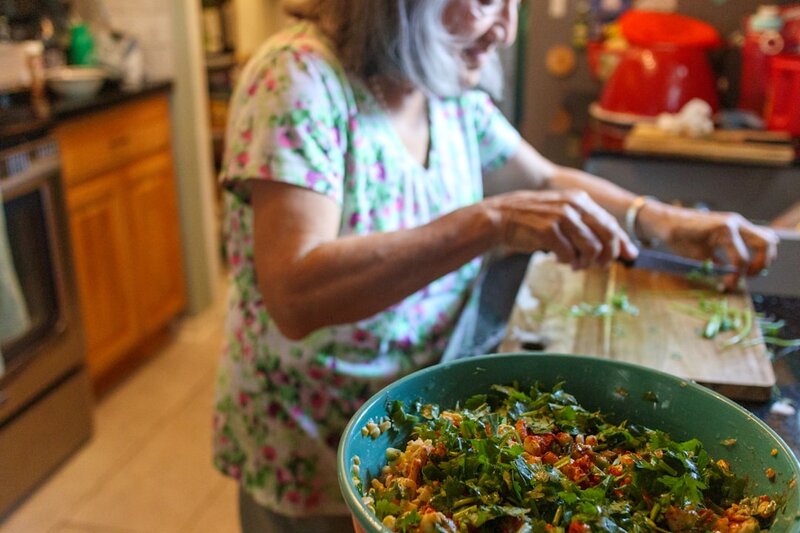
📷 Photo by BENOIT LAMARCHE on Unsplash