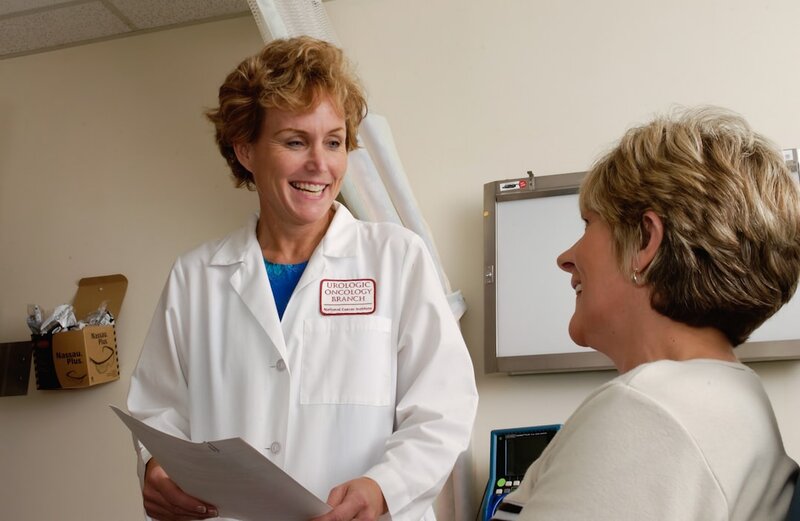
We’ve all been there — sitting in the GP’s waiting room, leafing through a leaflet full of terms that might as well be in another language. Or searching a symptom online at midnight and ending up more confused (and anxious) than when we started. If you’ve ever nodded along during a consultation without fully understanding what was said, you’re far from alone.
Health literacy — the ability to find, understand, and use health information to make informed decisions — is one of the most overlooked factors in healthy ageing. And in Ireland, research suggests it’s an area where many of us could do with a little more support.
TL;DR
- Health literacy means being able to find, understand, and act on health information — and it affects health outcomes as much as diet or exercise.
- Research from the European Health Literacy Survey found that over 40% of Irish adults have limited health literacy, rising among older age groups.
- Low health literacy is linked to poorer medication adherence, more hospitalisations, and difficulty navigating the Irish healthcare system.
- Practical strategies like the “Ask Me 3” framework, bringing a companion to appointments, and using trusted Irish sources (HSE.ie, understandmymedicine.ie) can make a real difference.
- Healthcare professionals in Ireland are increasingly trained to use plain language — and you have every right to ask for clearer explanations.
What Is Health Literacy — and Why Does It Matter After 50?
Health literacy goes beyond reading ability. It includes understanding prescription labels, interpreting blood test results, filling in hospital forms, evaluating information found online, and weighing up treatment options with your GP or consultant.
After 50, health literacy becomes increasingly important. You’re more likely to be managing one or more long-term conditions, taking multiple medications, and navigating a healthcare system that — let’s be honest — isn’t always the easiest to find your way through. The HSE’s National Health Literacy Programme recognises that the system itself needs to become more accessible, not just the patients more educated.
The Irish Picture: What the Research Tells Us
Ireland participated in the European Health Literacy Survey (HLS-EU), which found that over 40% of Irish adults have limited or problematic health literacy. That means nearly half the population struggles to understand health information well enough to make fully informed decisions.
The Irish Longitudinal Study on Ageing (TILDA) has also highlighted that cognitive changes after 50 — even mild, perfectly normal ones — can make processing complex medical information more challenging. Add in time-pressured GP visits, unfamiliar medical terminology, and the sheer volume of health information available online, and it’s no wonder many people feel overwhelmed.
This isn’t about intelligence. Health literacy is shaped by the clarity of the information provided, the complexity of the healthcare system, and the time and support available to process it all.
Signs You Might Be Struggling with Health Literacy
Health literacy challenges are common and nothing to be embarrassed about. You might recognise some of these situations:
- Leaving a GP appointment unsure about what was said or what you need to do next
- Difficulty understanding medication leaflets or knowing when to take which tablet
- Feeling overwhelmed by online health information and not knowing what to trust
- Avoiding asking questions during consultations for fear of “looking silly”
- Struggling with hospital or insurance paperwork
- Not fully understanding the difference between conditions, tests, or treatments your doctor mentions
If any of these ring true, you’re in good company — and there are straightforward steps you can take.
The “Ask Me 3” Approach
One of the simplest and most effective frameworks for better health conversations is Ask Me 3, developed by the Institute for Healthcare Improvement. Before you leave any appointment, make sure you can answer three questions:
- What is my main problem?
- What do I need to do?
- Why is it important for me to do this?
If you can’t answer all three, ask your GP, pharmacist, or nurse to explain again. A good healthcare professional will never mind being asked to clarify — in fact, they’ll be glad you did. You might also find it helpful to write your questions down before the appointment and bring a notebook to jot down key points.
Practical Tips for Better Health Literacy
At the GP or Hospital
- Bring someone along. A trusted friend, partner, or family member can help you remember what was said and ask questions you might not think of in the moment.
- Write it down. Bring a list of your current medications, symptoms, and questions. Take notes during the consultation or ask if you can record it on your phone.
- Ask for plain language. You have every right to say, “Could you explain that in simpler terms?” or “Can you write that down for me?”
- Use the teach-back method. Repeat back what you’ve understood: “So just to check — you’re saying I should take this tablet once a day with food?” This helps both you and your doctor confirm you’re on the same page.
With Medications
- Ask your pharmacist. Community pharmacists in Ireland are an incredible — and free — resource. They can explain what each medication does, how to take it properly, and what side effects to watch for. Many offer Medicines Use Reviews (MURs).
- Use trusted medication resources. Irish resources provide plain-language information about common medications and their effects.
- Keep a medication list. Note down each medication, the dose, when you take it, and what it’s for. Show it to every healthcare professional you see.
Online
- Stick to trusted sources. In Ireland, HSE.ie is the gold standard for reliable health information. Other trustworthy sources include the Irish Heart Foundation, the Irish Cancer Society, and condition-specific charities like Arthritis Ireland or Diabetes Ireland.
- Be cautious with Dr Google. Not everything online is accurate or relevant to Ireland. Look for information from recognised health organisations, and be wary of sites selling products or offering miracle cures.
- Check the date. Medical guidance changes. Make sure any online information is recent and up to date.
Ireland Is Getting Better at This
The good news is that Ireland’s healthcare system is increasingly aware of health literacy challenges. The HSE’s National Health Literacy Programme is working to make health information clearer, simpler, and more accessible across all services. This includes training healthcare professionals to use plain language, redesigning patient leaflets, and ensuring that forms and letters are written at a reading level that most people can understand.
Under Sláintecare — Ireland’s ten-year plan to reform the health service — there’s a strong emphasis on patient-centred care, shared decision-making, and ensuring people can genuinely participate in decisions about their own health. The Assisted Decision-Making (Capacity) Act 2015, now fully commenced, also reinforces your right to be supported in making your own healthcare decisions, even if you need help understanding the information.
Many hospitals and clinics now offer patient information in plain English, large print, and other accessible formats. If you need information in a different language or format, ask — it’s your right under the HSE’s patient charter.
Where to Find Help
- Your GP and practice nurse — always your first port of call for personalised health information.
- Your community pharmacist — free, accessible, and expert at explaining medications in plain language.
- HSE.ie — Ireland’s most comprehensive and reliable source of health information.
- NALA (National Adult Literacy Agency) — offers health literacy resources and supports for people who find reading or understanding health information challenging. Visit nala.ie.
- Age Action Ireland — provides information, advocacy, and support for older adults navigating services.
- Seniorline (1800 80 45 91) — a confidential listening service run by trained older volunteers, helpful when you need to talk through a health concern.
- Sage Advocacy — provides independent advocacy for older adults and vulnerable people navigating healthcare decisions.
A Word from Críonna Health
At Críonna Health, we believe that clear, accessible health information is a right, not a privilege. Every article we publish is written in plain language, grounded in evidence, and designed to help you make informed decisions about your health and wellbeing. If you ever read something here that isn’t clear, we want to know — because health information only works when it works for you.
Your health is too important to be lost in jargon. Ask the questions. Bring the notebook. Use the resources. And remember: there’s no such thing as a silly question when it comes to your health.
📷 Photo by National Cancer Institute on Unsplash