Walk into any Men’s Shed in Ireland on a weekday morning and you’ll find something remarkable: a room full of people laughing, building, fixing things — and, without always realising it, looking after their health. Since the first Irish Men’s Shed opened in Tipperary in 2009, the movement has grown to over 450 Sheds across every county in the country, making the Irish Men’s Sheds Association (IMSA) one of the largest community networks in Ireland.
But Men’s Sheds are far more than woodworking clubs. Research, including findings from the Irish Longitudinal Study on Ageing (TILDA), consistently shows that social connection is one of the strongest predictors of healthy ageing. And that’s exactly what Sheds provide — a place to belong, contribute, and connect, particularly for men who might otherwise find themselves increasingly isolated after retirement or life changes.
TL;DR
- Ireland has over 450 Men’s Sheds — one of the largest community movements in the country, supported by the Irish Men’s Sheds Association (IMSA)
- TILDA research confirms that social participation and a sense of purpose are among the strongest predictors of healthy ageing
- Men’s Sheds reduce loneliness and social isolation, which are linked to increased risk of heart disease, depression, cognitive decline, and premature death
- Sheds offer practical skills, volunteering, physical activity, and health promotion — all in an informal, non-clinical setting
- Finding your local Shed is free — visit menssheds.ie or contact your Local Development Company
Why Men’s Sheds Matter for Health
Loneliness and social isolation are now recognised as serious public health risks. A landmark report by ALONE found that one in ten older adults in Ireland experiences loneliness, while TILDA data shows that socially isolated individuals have significantly higher rates of depression, cognitive decline, and cardiovascular disease.
For men in particular, the transition to retirement can be especially difficult. Where women tend to maintain broader social networks through family, community groups, and friendships, men are more likely to have built their social lives around work. When work ends, those connections can disappear almost overnight.
Men’s Sheds address this gap in a way that feels natural rather than clinical. There’s no appointment, no waiting list, no referral needed. You simply walk in, pick up a tool or a cup of tea, and join in. That low threshold is precisely what makes Sheds so effective.
What Happens in a Men’s Shed?
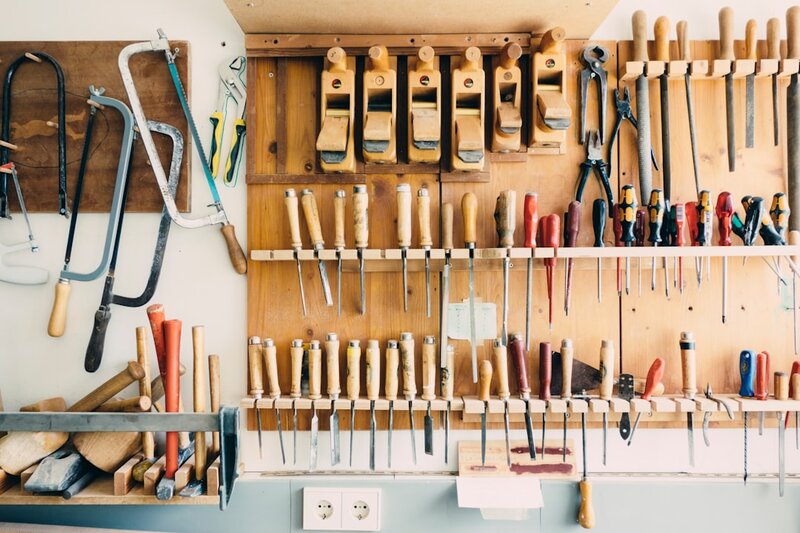
Every Shed is different, shaped by the interests and skills of its members. Common activities include:
- Woodworking and metalwork — building furniture, bird boxes, garden planters, and community projects
- Repair and restoration — fixing bicycles, electronics, and household items (many Sheds run community repair cafés)
- Gardening and growing — community allotments, polytunnels, and raised-bed projects
- Digital skills — computer classes, smartphone help, and online safety workshops
- Health programmes — blood pressure checks, men’s health talks, cooking demonstrations, and fitness activities
- Community volunteering — building benches for local parks, making items for schools and nursing homes, and supporting Tidy Towns efforts
The genius of the Shed model is that health benefits come as a by-product of meaningful activity. Nobody joins a Men’s Shed because they’ve been told to “address their social isolation.” They join because they want to make something, learn something, or simply have somewhere to go.
The Evidence: What Research Tells Us
A growing body of research supports what Shed members have known all along — that these spaces genuinely improve health and wellbeing:
- Mental health: Studies published in the BMC Public Health journal found that Men’s Shed participation is associated with reduced depression and anxiety, improved self-confidence, and a stronger sense of purpose
- Social connection: TILDA research consistently links social participation with better cognitive function, lower blood pressure, and reduced risk of premature mortality
- Physical activity: Many Shed activities — woodworking, gardening, walking groups — involve moderate physical activity that contributes to the HSE’s recommended 150 minutes of weekly exercise for adults over 50
- Health literacy: The IMSA partners with the HSE, Healthy Ireland, and Safefood to deliver health promotion programmes directly in Sheds, reaching men who might never attend a GP-led health talk
The World Health Organisation (WHO) has highlighted Men’s Sheds as a model of community-based health promotion, and the Irish Government’s Healthy Ireland Framework recognises the movement as a key partner in reaching men with health messaging.
Men’s Sheds and the Irish Community
What makes the Irish Men’s Shed movement particularly special is how deeply embedded it has become in local communities. Many Sheds work closely with:
- Local Development Companies and LEADER programmes — for funding and premises
- HSE Health Promotion and Improvement teams — for health screening and wellbeing programmes
- Local Sports Partnerships (LSPs) — for physical activity programmes tailored to older adults
- Age Friendly Ireland — many Sheds are active participants in their local Age Friendly programme
- Schools and youth organisations — intergenerational projects that bring older and younger people together
Under the Employment Equality Acts and Equal Status Acts, age-friendly community initiatives like Men’s Sheds play an important role in combating age discrimination and promoting the social inclusion of older adults — a priority for Ireland’s National Positive Ageing Strategy.
“But I’m Not a Woodworker”
One of the most common misconceptions about Men’s Sheds is that you need to be handy with tools. You don’t. Many members had never picked up a saw before joining. Others come primarily for the conversation and the tea. Some Sheds focus more on music, photography, cooking, or chess than traditional workshop activities.
The IMSA emphasises that Sheds are “men’s spaces” — not skill-based clubs. Whatever your background, ability, or interest, there is room for you. An increasing number of Sheds are also actively welcoming members from migrant and refugee communities, reflecting Ireland’s changing demographics.
Women’s Sheds and Mixed Sheds
While the Men’s Shed movement was founded to address a specific gap in men’s social health, the model has inspired Women’s Sheds and mixed community workshops across Ireland. Several organisations now run parallel programmes, and the principle is the same: meaningful activity in a welcoming community space.
How to Find Your Local Shed
Getting involved couldn’t be simpler:
- Visit menssheds.ie — the IMSA website has a Shed locator covering all 450+ Sheds nationwide
- Contact your Local Development Company — they often have links to community groups including Sheds
- Ask at your local library or Family Resource Centre — community noticeboards frequently list Shed meeting times
- Talk to your GP or Public Health Nurse — health professionals increasingly use social prescribing to connect people with community groups like Men’s Sheds
Most Sheds meet two to five mornings per week. Membership is typically free or involves a small annual contribution. There are no forms to fill in and no waiting lists at most locations.
A Quiet Revolution in Community Health
In a healthcare system that often focuses on treating illness after it arrives, Men’s Sheds represent something different: prevention through connection. They don’t require funding applications, medical referrals, or complex infrastructure. They simply need a space, a few tools, a kettle, and people willing to show up.
For anyone navigating retirement, recovering from a health setback, adjusting to life after bereavement, or simply looking for somewhere to spend a Tuesday morning, a Men’s Shed could be one of the best things you do for your health this year.
At Críonna Health, we believe that healthy ageing starts with community. If you’re curious about what your local Shed has to offer, take that first step — you might be surprised at what you find.
📷 Photo by Barn Images on Unsplash