If you’ve been living with widespread pain, deep fatigue, and the frustrating feeling that nobody quite understands what you’re going through, you are far from alone. Fibromyalgia affects an estimated 100,000 people in Ireland, and while it can develop at any age, many people receive their diagnosis in their 40s, 50s, or later — sometimes after years of unexplained symptoms.
This guide offers a practical, evidence-informed look at fibromyalgia after 50: what it is, how it’s diagnosed, and — most importantly — what you can do to manage it and live well in Ireland.
TL;DR
- Fibromyalgia causes chronic widespread pain, fatigue, and cognitive difficulties — it is a real, recognised condition, not imagined
- Diagnosis is clinical (no single blood test), so a thorough GP assessment is essential
- Self-management — gentle exercise, pacing, sleep hygiene, stress reduction — is the cornerstone of treatment
- HSE Chronic Disease Management (CDM) Programme and community pain clinics provide structured support in Ireland
- Fibromyalgia Support Network Ireland and Arthritis Ireland offer peer support, information, and advocacy
What Exactly Is Fibromyalgia?
Fibromyalgia is a long-term condition characterised by widespread musculoskeletal pain, fatigue, sleep disturbance, and cognitive difficulties sometimes called “fibro fog.” It is classified by the World Health Organisation as a disorder of the central nervous system — essentially, the brain and spinal cord process pain signals differently, amplifying sensations that wouldn’t normally be painful.
It is not a form of arthritis, though it is often confused with it. Unlike arthritis, fibromyalgia does not cause inflammation or damage to joints, muscles, or other tissues. However, it frequently coexists with conditions like osteoarthritis, rheumatoid arthritis, and irritable bowel syndrome (IBS) — which can make diagnosis trickier, particularly after 50 when these conditions become more common.
Why Is Fibromyalgia Often Diagnosed Later in Life?
Many people live with fibromyalgia symptoms for years before receiving a diagnosis. After 50, several factors can complicate the picture:
- Symptom overlap: Pain and fatigue are common in many age-related conditions, so fibromyalgia may be overlooked or attributed to “normal ageing”
- Coexisting conditions: Osteoarthritis, thyroid disorders, and sleep apnoea can mask or mimic fibromyalgia symptoms
- Historical dismissal: Fibromyalgia was not widely accepted as a legitimate condition until relatively recently, and some people — particularly women — report having their symptoms dismissed for decades
If you have been experiencing widespread pain lasting more than three months alongside persistent fatigue and unrefreshing sleep, it is worth raising fibromyalgia specifically with your GP.
How Is Fibromyalgia Diagnosed in Ireland?
There is no single blood test or scan for fibromyalgia. Diagnosis is clinical, based on your symptom history and a physical examination. Your GP will typically:
- Ask about the location, duration, and nature of your pain
- Assess for widespread pain (pain on both sides of the body, above and below the waist)
- Run blood tests to rule out other conditions — thyroid function, inflammatory markers (ESR, CRP), vitamin D levels, and a full blood count
- Consider referral to a rheumatologist if the diagnosis is uncertain
Under the HSE Chronic Disease Management (CDM) Programme, those with a GMS (medical) card or GP visit card can access structured reviews for chronic conditions, which can support ongoing fibromyalgia management with your GP.
Living Well with Fibromyalgia: What Actually Helps
The evidence is clear that self-management is the single most effective approach to fibromyalgia. Medication plays a supporting role, but lifestyle strategies form the foundation.
Gentle, Regular Exercise
This might sound counterintuitive when you’re in pain, but research consistently shows that gentle, graded exercise reduces fibromyalgia symptoms over time. The key is starting low and building slowly — a principle sometimes called “start low, go slow.”
- Walking is one of the most accessible starting points — even 10 minutes daily can help
- Swimming and water-based exercise are particularly beneficial, as warm water supports joints and eases pain
- Yoga and tai chi have strong evidence for reducing fibromyalgia pain and improving sleep quality
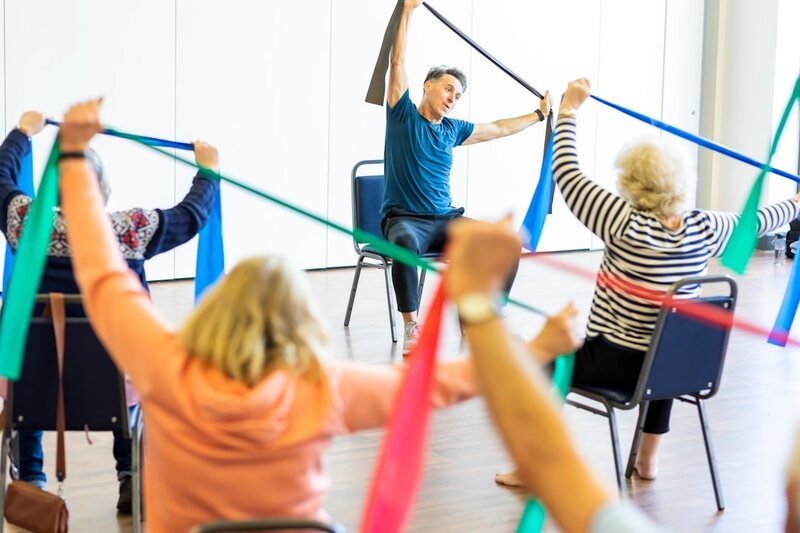
- Chair-based exercise is an excellent option on days when symptoms are more severe
Your Local Sports Partnership (LSP) can help you find suitable programmes in your area. Many LSPs run specific gentle exercise classes aimed at people with chronic conditions.
Pacing Yourself
One of the most valuable skills for managing fibromyalgia is learning to pace — balancing activity with rest to avoid the “boom and bust” cycle where you overdo things on a good day and then crash for days afterwards. Occupational therapists are particularly skilled at helping you develop pacing strategies tailored to your daily life.
Sleep Hygiene
Poor sleep is both a symptom and an aggravating factor in fibromyalgia. Practical steps include:
- Keeping a consistent sleep and wake time, even at weekends
- Creating a cool, dark, quiet bedroom environment
- Avoiding screens for at least an hour before bed
- Limiting caffeine after midday
If sleep remains severely disrupted, your GP may consider a short course of low-dose amitriptyline, which can help with both sleep and pain in fibromyalgia.
Stress Management and Mental Wellbeing
Stress is a well-documented trigger for fibromyalgia flares. Mindfulness-based stress reduction (MBSR), cognitive behavioural therapy (CBT), and simple breathing exercises can all help regulate the nervous system’s pain response.
The HSE’s counselling services and community mental health teams can provide support. Aware (1800 80 48 48) offers free telephone and email support for anyone experiencing emotional difficulties, and their life skills programmes are available nationwide.
Medication: What Role Does It Play?
Medication can help manage fibromyalgia symptoms but is rarely sufficient on its own. Common options include:
- Low-dose amitriptyline: Often the first-line medication, helping with pain, sleep, and mood
- Duloxetine: An SNRI antidepressant that can help with pain and fatigue
- Pregabalin: Can reduce pain and improve sleep in some people
Standard painkillers like paracetamol and ibuprofen are generally less effective for fibromyalgia pain. Opioids are not recommended — they can worsen symptoms over time and carry significant risks for older adults.
If you are managing fibromyalgia alongside other conditions, a medication review with your GP or community pharmacist is important to check for interactions and side effects. This is especially relevant after 50, when polypharmacy becomes more common.
Irish Supports and Resources
You do not need to manage fibromyalgia alone. Ireland has several supports worth knowing about:
- Fibromyalgia Support Network Ireland — peer support groups, information, and advocacy for people living with fibromyalgia across Ireland
- Arthritis Ireland — while fibromyalgia is not arthritis, Arthritis Ireland provides excellent resources on chronic pain management, exercise programmes, and helpline support (1800 444 263)
- HSE Chronic Disease Management Programme — structured GP reviews for people with chronic conditions, available to medical card and GP visit card holders
- HSE pain management clinics — specialist multidisciplinary pain services operate in several hospitals, including Beaumont, St. Vincent’s, and the Mater in Dublin, and University Hospital Galway
- HSE Living Well Programme — a free six-week self-management programme for people living with any chronic condition, available in communities and online across Ireland
- Community occupational therapy — HSE community OT services can help with pacing strategies, energy conservation, and adapting daily activities
What Family and Friends Should Know
Fibromyalgia is an invisible condition — people often look well on the outside while struggling significantly. If someone you care about has fibromyalgia:
- Believe them. Their pain is real, even though tests may come back normal
- Understand that their capacity varies from day to day — and sometimes hour to hour
- Offer practical support rather than advice. A lift to an appointment or help with shopping can mean more than a suggestion to “try yoga”
- Encourage without pressuring. Gentle activity helps, but pushing too hard can trigger a flare
A Word from Críonna Health
At Críonna Health, we believe that living well with a chronic condition like fibromyalgia is absolutely possible — with the right information, the right support, and a compassionate approach to your own body. Ageing with fibromyalgia does not mean declining. It means adapting, learning what works for you, and building a life that accommodates your needs without being defined by them.
If you suspect you may have fibromyalgia, start with an honest conversation with your GP. If you’ve already been diagnosed, know that Ireland’s supports — while not perfect — are growing, and you deserve to access every one of them.
📷 Photo by Centre for Ageing Better on Unsplash