There is something deeply satisfying about pulling a carrot from soil you have tended yourself, or picking a handful of herbs for the evening meal from a patch just outside your door. For people over 50, growing food — whether in a back garden, an allotment, or a shared community plot — offers a remarkable combination of physical exercise, mental calm, social connection, and better nutrition. And in Ireland, a growing network of community gardens, GIY groups, and local authority allotment schemes is making it easier than ever to get started.
TL;DR
- Community gardens and food growing combine gentle exercise, social connection, improved nutrition, and mental wellbeing — all in one activity.
- Research from TILDA and international studies shows that regular gardening reduces falls risk, improves grip strength, and supports cognitive health in older adults.
- GIY (Grow It Yourself) Ireland, local authority allotments, Men’s Sheds, and Active Retirement groups offer accessible routes into community growing across Ireland.
- You do not need a large garden — raised beds, containers, and shared plots make food growing possible regardless of space or mobility.
- Community gardens can help combat loneliness by building intergenerational friendships and a shared sense of purpose.
Why Growing Food Is Especially Beneficial After 50
Gardening is sometimes dismissed as a gentle pastime, but the evidence tells a different story. A systematic review published in Preventive Medicine Reports found that regular gardening is associated with significant reductions in depression and anxiety, improved life satisfaction, and better overall quality of life in older adults. It is, in effect, a form of green exercise — physical activity carried out in a natural environment — which research consistently shows amplifies the mental health benefits of movement alone.
For people in their 50s, 60s, and beyond, food growing ticks an impressive number of health boxes simultaneously:
- Physical activity: Digging, weeding, carrying watering cans, and bending all contribute to functional fitness. The repetitive movements help maintain grip strength, flexibility, and balance — all protective against falls.
- Nutrition: People who grow their own food tend to eat more fruit and vegetables. When you have watched a courgette grow from seed, you are far more likely to eat it.
- Mental wellbeing: The rhythm of gardening — sowing, tending, harvesting — provides structure, purpose, and a sense of achievement. Horticultural therapy is now recognised as a legitimate therapeutic approach for anxiety, depression, and dementia.
- Cognitive stimulation: Planning what to plant, learning about soil, crop rotation, and pest management all keep the mind engaged in problem-solving.
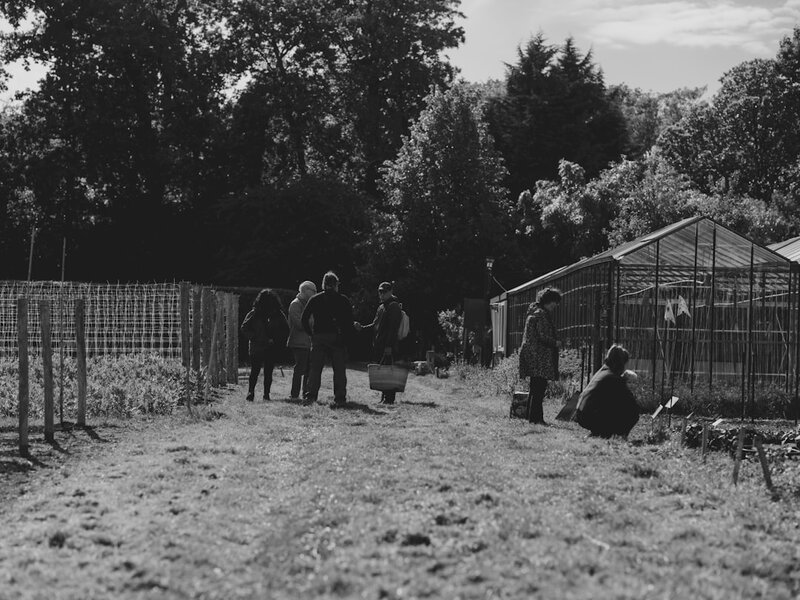
- Social connection: Community gardens, in particular, bring people together across generations, backgrounds, and abilities — a powerful antidote to loneliness.
Community Gardens in Ireland: What Is Available
Ireland’s community garden movement has grown considerably over the past decade. From urban plots in Dublin and Cork to rural growing spaces in Donegal and Kerry, there are now hundreds of community gardens across the country. Here are the main ways to get involved:
Local Authority Allotments
Many county and city councils offer allotment schemes where residents can rent a small plot of land for growing food. Dublin City Council, for example, operates allotment sites across the city, with annual fees typically ranging from €75 to €150. Waiting lists can be long in some areas, so it is worth applying sooner rather than later. Contact your local authority’s parks or environment department to enquire about availability in your area.
GIY (Grow It Yourself) Ireland
GIY Ireland is a community movement dedicated to helping people grow their own food. Founded in Waterford in 2009, it now supports a nationwide network of local GIY groups that meet regularly to share knowledge, swap seeds, and support one another. GIY also runs the GROW programme — a free, evidence-based wellbeing initiative that uses food growing as a tool for improving mental and physical health. It is particularly well suited to people who are new to gardening and want a structured, supportive introduction.
Men’s Sheds and Active Retirement Groups
Many Men’s Sheds around Ireland have developed growing projects — raised beds, polytunnels, and community plots where members can grow food together. Similarly, Active Retirement Ireland groups in many areas organise gardening activities and garden visits. These are excellent options if you want to combine food growing with an existing social network.
Tidy Towns and Community Groups
Local Tidy Towns committees, parish groups, and community development organisations sometimes establish shared growing spaces. These are often informal and welcoming, and they can be a good starting point if you prefer a smaller, neighbourhood-level group.
Getting Started: Practical Tips for Beginners
You do not need acres of land or years of experience to start growing food. Here are some practical tips for getting going:
Start Small
A few pots of herbs on a windowsill, a grow bag of tomatoes on a patio, or a single raised bed in the garden — starting small reduces overwhelm and builds confidence. Lettuce, radishes, herbs, and spring onions are all forgiving crops that grow quickly and reward the beginner.
Use Raised Beds and Containers
If bending or kneeling is difficult, raised beds are a game-changer. Built to waist height, they allow you to garden without straining your back or knees. Many community gardens now include accessible raised beds specifically designed for people with limited mobility. Large pots, grow bags, and even old buckets with drainage holes work perfectly well too.
Adapt to Your Body
Lightweight tools with ergonomic handles, kneeling pads, garden stools, and long-handled trowels can all make food growing more comfortable. The key is to listen to your body — gardening should leave you pleasantly tired, not in pain. Take regular breaks, stay hydrated, and apply sun protection even on overcast Irish days.
Think About the Seasons
Ireland’s mild, damp climate is actually excellent for growing many food crops. Potatoes, cabbages, kale, leeks, and broad beans all thrive in Irish conditions. Summer is ideal for tomatoes (in a polytunnel or sunny spot), courgettes, French beans, and salad leaves. Autumn is the time to plant garlic and overwintering onions. There is something to do in every season, which helps maintain the routine and purpose that gardening provides.
The Social Side: Why Community Growing Combats Loneliness
TILDA (The Irish Longitudinal Study on Ageing) has consistently highlighted loneliness and social isolation as significant health risks for older adults in Ireland, with research linking loneliness to increased rates of depression, cognitive decline, and cardiovascular disease. Community gardens directly address this by creating a natural, low-pressure social environment.
Unlike formal social events, a community garden offers what researchers call \”shoulder-to-shoulder\” socialising — working alongside others on a shared task rather than sitting face to face. For many people, particularly men, this kind of activity-based connection feels more natural and less forced. Conversations happen organically over a shared row of potatoes or while waiting for the kettle to boil in the communal shed.
Community gardens also foster intergenerational connections. Older growers often find themselves mentoring younger gardeners, sharing knowledge built up over decades. This exchange of skills and experience gives older adults a valued role and sense of contribution — something that can be lost after retirement.
Food Growing and the Cost of Living
With grocery prices having risen significantly in recent years, growing even a portion of your own fruit and vegetables can make a meaningful difference to a household budget. A packet of seeds costing a couple of euro can produce dozens of meals’ worth of food. Freezing, preserving, and sharing surplus produce with neighbours extends the value further.
For people on the State Pension or a fixed income, this is not a trivial benefit. And beyond the financial savings, there is a quiet sense of self-reliance and resilience that comes from knowing you can feed yourself, at least in part, from your own hands and your own soil.
Where to Find Support and Resources
- GIY Ireland (giy.ie) — find local groups, access the free GROW programme, and browse growing guides tailored to Irish conditions.
- Your local authority — contact the parks or community department for allotment availability and community garden listings.
- Men’s Sheds Ireland (menssheds.ie) — many Sheds have growing projects; search for your nearest Shed.
- Active Retirement Ireland (activeretirementireland.com) — local groups often organise gardening activities.
- Social prescribing link workers — if your GP practice has a social prescribing link worker, they can connect you with local community gardens and outdoor activities.
- Teagasc (teagasc.ie) — Ireland’s agriculture and food development authority offers free advice and resources on food growing for home gardeners.
At Críonna Health, we believe that healthy ageing is about finding activities that nourish body, mind, and community — and growing your own food does all three. Whether you start with a single pot of basil or join a thriving community garden, the benefits are real, immediate, and deeply rewarding.
📷 Photo by Haberdoedas on Unsplash