If you’ve ever woken up with a parched mouth, struggled to swallow a dry biscuit, or noticed your voice turning hoarse for no obvious reason, you may be dealing with dry mouth — known medically as xerostomia. It’s surprisingly common after 50, affecting roughly one in three older adults in Ireland, yet it’s rarely talked about and often dismissed as a minor nuisance.
The truth is, persistent dry mouth is more than uncomfortable. Left unaddressed, it can lead to dental decay, difficulty eating, and a real dip in quality of life. The good news? Once you understand what’s causing it, there’s plenty you can do.
TL;DR
- Dry mouth (xerostomia) affects around 30% of adults over 50, most often as a side effect of common medications including antidepressants, blood pressure tablets, and antihistamines.
- It is not a normal part of ageing — healthy salivary glands continue to function well throughout life, so persistent dryness should always be investigated.
- Untreated dry mouth significantly increases the risk of tooth decay, gum disease, oral thrush, and swallowing difficulties.
- Simple strategies like sipping water regularly, using saliva substitutes, and reviewing medications with your GP or pharmacist can make a real difference.
- In Ireland, the DTBS (Treatment Benefit Scheme) and medical card dental services can help cover the cost of oral care for those eligible.
What Exactly Is Dry Mouth?
Saliva does far more than keep your mouth moist. It protects teeth from decay, helps you taste and digest food, fights bacteria, and makes speaking and swallowing comfortable. When your salivary glands don’t produce enough saliva — or the saliva they produce changes in quality — the effects ripple across your oral health and daily comfort.
Common signs include:
- A sticky, dry feeling in the mouth or throat
- Difficulty chewing, swallowing, or speaking
- A burning or tingling sensation on the tongue
- Cracked lips or sores at the corners of the mouth
- Bad breath that doesn’t improve with brushing
- Food tasting different or bland
- Dentures fitting poorly or causing irritation
Why Does It Happen After 50?
Here’s an important distinction: dry mouth is not a normal part of ageing. Healthy salivary glands continue to work well into old age. The reason it becomes more common after 50 is almost always linked to other factors — most frequently, medication.
Medications — the most common culprit
Over 500 medications list dry mouth as a side effect. Among the most common are:
- Antidepressants (SSRIs, tricyclics)
- Blood pressure medications (ACE inhibitors, diuretics, beta-blockers)
- Antihistamines (for allergies or sleep)
- Pain medications (opioids, some anti-inflammatories)
- Bladder medications (anticholinergics like oxybutynin)
- Inhalers (particularly corticosteroid inhalers for COPD or asthma)
Research from the Irish Longitudinal Study on Ageing (TILDA) shows that polypharmacy — taking five or more medications — is common among Irish adults over 50, and each additional medication increases the likelihood of dry mouth. If you’re taking multiple prescriptions, the combined drying effect can be significant.
Other causes
Beyond medication, dry mouth can result from:
- Sjögren’s syndrome — an autoimmune condition that attacks moisture-producing glands
- Diabetes — particularly when blood sugar is poorly controlled
- Radiotherapy to the head or neck area
- Mouth breathing or snoring (often linked to sleep apnoea)
- Dehydration — older adults are more vulnerable due to reduced thirst sensation
- Anxiety and stress — which can temporarily reduce saliva flow
Why It Matters More Than You Might Think
Many people put up with dry mouth without realising the knock-on effects. Without adequate saliva:
- Tooth decay accelerates. Saliva neutralises acids and washes away food debris. Without it, cavities can develop rapidly — even in people who’ve had good dental health all their lives.
- Gum disease risk increases. Reduced saliva allows bacteria to flourish along the gum line.
- Oral thrush (a fungal infection causing white patches) becomes more likely.
- Nutrition can suffer. When eating is uncomfortable, people tend to avoid crunchy vegetables, nuts, and other nutrient-dense foods, shifting towards softer, often less nutritious options.
- Swallowing difficulties (dysphagia) can develop, increasing the risk of choking or aspiration.
- Social confidence drops. Bad breath, difficulty speaking clearly, and poorly fitting dentures can lead people to withdraw from social situations.
What You Can Do: Practical Strategies
1. Talk to your GP or pharmacist
If you suspect a medication is causing your dry mouth, don’t stop taking it — but do raise it at your next appointment. Your GP may be able to adjust the dose, switch to an alternative with fewer drying effects, or change the timing. Your community pharmacist is also an excellent resource; they can review all your medications (including over-the-counter products) during a Medicines Use Review.
2. Stay well hydrated
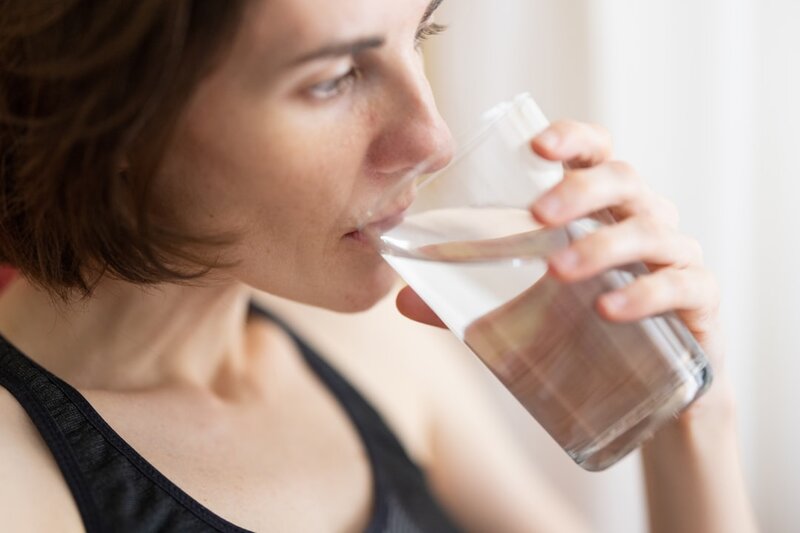
Sip water regularly throughout the day rather than drinking large amounts at once. Keep a glass or bottle within reach, especially at night. Some people find adding a slice of cucumber or a small amount of lemon helpful, though be cautious with citrus if your mouth is sore.
3. Stimulate saliva naturally
- Chew sugar-free gum (xylitol-based is ideal — xylitol also helps prevent tooth decay)
- Suck on sugar-free sweets
- Include foods that require chewing — carrots, celery, apples
- Try a few drops of lemon juice in water if you can tolerate it
4. Use saliva substitutes and mouth moisturisers
Over-the-counter saliva substitutes (available as sprays, gels, or rinses) can provide relief, particularly at night. Products containing carboxymethylcellulose or hypromellose mimic natural saliva. Your pharmacist can recommend suitable options — some are available on the medical card.
5. Adjust your oral care routine
- Use fluoride toothpaste (your dentist may recommend a high-fluoride prescription paste)
- Avoid alcohol-based mouthwashes, which worsen dryness
- Brush gently twice daily with a soft-bristled brush
- If you wear dentures, clean them thoroughly and remove them at night
6. Mind what you consume
- Limit caffeine and alcohol — both have a drying effect
- Avoid tobacco — smoking significantly reduces saliva production
- Cut back on salty and spicy foods if they irritate your mouth
- Choose moist foods — soups, stews, yoghurt, and foods with sauces or gravies
7. Use a humidifier at night
If you breathe through your mouth while sleeping, a bedside humidifier can reduce overnight dryness. Addressing any underlying snoring or sleep apnoea (speak to your GP about a referral) can also help considerably.
When to See Your Dentist
If you have persistent dry mouth, more frequent dental check-ups are important — ideally every six months rather than annually. Your dentist can spot early signs of decay, recommend fluoride treatments, and monitor for oral thrush or other complications.
In Ireland, if you have a medical card, you’re entitled to a free dental examination and two fillings per year through the HSE Dental Treatment Services Scheme (DTSS). If you’re a PRSI contributor, the Department of Social Protection’s Treatment Benefit Scheme (DTBS) covers a free dental exam and a contribution towards other treatments once a year.
Irish Supports and Resources
- Your community pharmacist — for advice on saliva substitutes, medication reviews, and over-the-counter remedies
- HSE dental services — medical card holders can access dental care through the DTSS
- Treatment Benefit Scheme (DTBS) — PRSI contributors can access a free annual dental exam via gov.ie
- Dental Council of Ireland — find a registered dentist near you at dentalcouncil.ie
- Irish Dental Association — patient information and finding a dentist
- Arthritis Ireland — if Sjögren’s syndrome is suspected, they offer information and support
At Críonna Health, we believe that small, practical steps can make a meaningful difference to everyday comfort and long-term health. Dry mouth is one of those conditions that’s easy to overlook but very worthwhile to address — your mouth, your teeth, and your confidence will thank you.
📷 Photo by engin akyurt on Unsplash