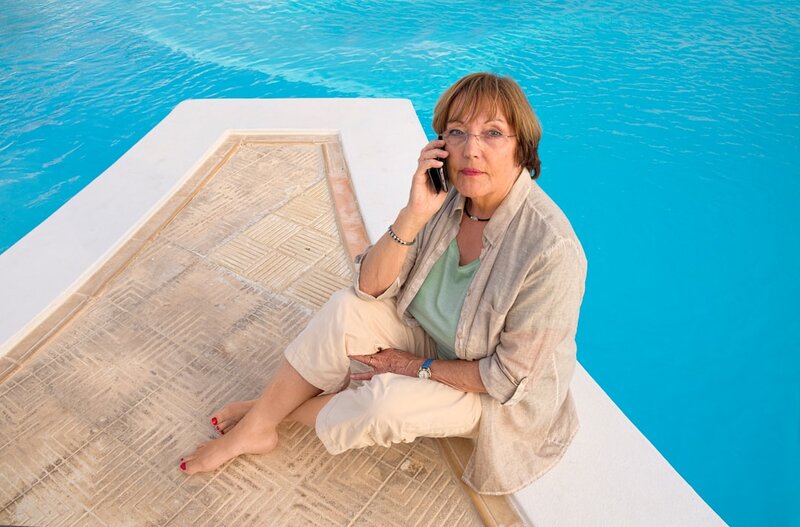
If you’ve noticed that headaches seem to hit differently now than they did in your thirties, you’re not alone. Headaches and migraines are among the most common neurological complaints in adults over 50, yet they’re often dismissed as “just stress” or “part of getting older.” The truth is more nuanced — and understanding what’s changing can help you manage them far more effectively.
TL;DR
- Headache patterns often change after 50 — new or worsening headaches always warrant a GP visit
- Medication-overuse headache is one of the most common causes of chronic daily headache in older adults
- Migraines may improve after menopause, but can also appear for the first time in later life
- Many common medications (blood pressure tablets, statins, nitrates) can trigger headaches as a side effect
- The HSE Chronic Disease Management Programme covers GP consultations for relevant conditions, and your community pharmacist can help review medication interactions
Why Headaches Change After 50
As we age, the type, frequency, and character of headaches can shift. Tension-type headaches — that dull, band-like pressure across the forehead — remain the most common variety at any age. But after 50, several factors can alter the picture:
- Hormonal changes: For women, the drop in oestrogen around menopause can either improve long-standing migraines or, less commonly, trigger new ones. Research from the Irish Longitudinal Study on Ageing (TILDA) confirms that women in their 50s and 60s report higher rates of headache-related disability than men of the same age.
- Medications: Polypharmacy — taking multiple medications — becomes more common with age. Blood pressure tablets (particularly ACE inhibitors and calcium channel blockers), nitrates for angina, and even some cholesterol-lowering drugs can cause headaches as a side effect.
- Cervicogenic headaches: Age-related changes in the neck and upper spine, including osteoarthritis, can refer pain upward into the head. These headaches typically start at the back of the skull and wrap forward.
- Dehydration: Older adults are more susceptible to dehydration, a well-established headache trigger. Thirst signals can weaken with age, making it easier to fall behind on fluid intake.
Red Flags: When to See Your GP Urgently
Most headaches in older adults are benign, but certain features should prompt an urgent visit to your GP or even an A&E department:
- A sudden, severe headache — the worst you’ve ever had (sometimes called a “thunderclap” headache)
- A new headache pattern that’s different from anything you’ve experienced before
- Headache with fever, stiff neck, or confusion — could indicate infection or inflammation
- Headache with vision changes, weakness, or difficulty speaking — stroke symptoms that need immediate attention (remember the FAST test: Face, Arms, Speech, Time)
- Scalp tenderness or jaw pain — particularly if you’re over 50, as this may suggest giant cell arteritis (temporal arteritis), a condition that requires urgent treatment to protect your eyesight
- Progressive worsening over weeks despite treatment
Giant cell arteritis deserves a special mention here. It almost exclusively affects people over 50 and can cause permanent vision loss if not treated promptly with corticosteroids. If you notice a new headache alongside tenderness when you brush your hair or pain when chewing, see your GP the same day.
Medication-Overuse Headache: A Hidden Culprit
One of the most underrecognised causes of chronic headache in older adults is, paradoxically, the very medication taken to treat it. Medication-overuse headache (MOH) develops when painkillers — including paracetamol, ibuprofen, codeine-based products, or triptans — are used on 10-15 or more days per month.
The cycle is insidious: you take a painkiller, it wears off, the headache rebounds, you take another dose. Over time, the brain becomes sensitised and the headaches become more frequent rather than less. If this sounds familiar, speak to your GP. Withdrawal needs to be managed carefully, often with preventive medication to break the cycle.
Managing Headaches Practically
Before reaching for the tablet box, there are evidence-based strategies that can make a real difference:
Keep a Headache Diary
Track when headaches occur, how long they last, what you ate or drank, how you slept, and any potential triggers. After two to four weeks, patterns often become clear. Your GP will find this information invaluable — it’s the single most useful thing you can bring to a consultation.
Stay Hydrated
Aim for six to eight glasses of fluid daily. Keep a water bottle visible as a reminder. Tea and coffee count, though excessive caffeine — or sudden caffeine withdrawal — can itself trigger headaches.
Review Your Medications
Ask your community pharmacist for a Medicines Use Review (MUR). This free service can identify medications that may be contributing to headaches and flag potential interactions. Under the HSE’s Chronic Disease Management (CDM) Programme, if you have a qualifying condition, your GP visits include structured medication reviews.
Address Your Neck
If your headaches start at the base of your skull, a referral to physiotherapy may be more effective than painkillers. HSE community physiotherapy services are available through GP referral, and many chartered physiotherapists (ISCP members) offer direct access appointments.
Manage Stress and Sleep
Poor sleep and chronic stress are powerful headache amplifiers. Good sleep hygiene — consistent bedtimes, a cool dark room, limiting screens before bed — is a first-line intervention. Mindfulness-based stress reduction (MBSR) programmes are available through many community health centres across Ireland.
When Preventive Treatment Makes Sense
If you’re experiencing headaches on more than four days per month, or if headaches significantly affect your quality of life, preventive medication may be worth discussing with your GP. Options include:
- Low-dose amitriptyline — often effective for both tension-type headaches and migraines, and can also help with sleep
- Beta-blockers (propranolol) — a well-established migraine preventive, though not suitable if you have asthma or very low blood pressure
- Candesartan — an angiotensin receptor blocker that doubles as a migraine preventive, useful if you also need blood pressure management
Your GP will consider your full medical history, other medications, and individual risk factors before recommending a preventive approach. There’s no one-size-fits-all solution, but the right treatment can be transformative.
Irish Supports and Resources
- HSE Chronic Disease Management Programme: Covers structured GP care for conditions that may overlap with chronic headache (cardiovascular disease, diabetes, COPD, asthma). Ask your GP if you qualify.
- Migraine Association of Ireland: Offers support, information, and a helpline for people living with migraine — migraine.ie
- HSE Community Physiotherapy: Available through GP referral for cervicogenic headache and related musculoskeletal conditions.
- Community Pharmacists: Medicines Use Reviews (MURs) are a free service that can help identify medication-related headache triggers.
- ALONE Support Line (0818 222 024): If headaches are affecting your daily life and you’re feeling isolated, ALONE offers practical and emotional support for older adults.
A Word from Críonna Health
Headaches might seem like a minor inconvenience, but when they become frequent or severe, they can erode your quality of life, your sleep, and your confidence. The good news is that most headaches in older adults are very treatable — and often, the solution involves adjusting something you’re already doing rather than adding something new. Don’t suffer in silence. A conversation with your GP, a medication review with your pharmacist, or a referral to physiotherapy could be the first step towards fewer headache days and more good ones.
At Críonna Health, we believe that understanding your body’s changing needs is one of the most empowering things you can do as you age. Knowledge, paired with the right support, makes all the difference.
📷 Photo by Christian Buehner on Unsplash