Urinary tract infections — or UTIs — are among the most common infections in adults over 50, yet they remain surprisingly under-discussed. Whether you have experienced one yourself or are supporting a loved one, understanding UTIs can make a real difference to your comfort, confidence, and overall health.
In Ireland, UTIs account for a significant proportion of GP consultations and antibiotic prescriptions among older adults. The good news? Many UTIs are preventable, and when they do occur, early recognition means faster, more effective treatment.
TL;DR
- UTIs become more common after 50 due to hormonal changes, enlarged prostate, reduced immunity, and medication effects
- Symptoms in older adults can be atypical — confusion, fatigue, or falls may be the first sign rather than the classic burning sensation
- Staying well hydrated (6–8 glasses daily) is the single most effective prevention strategy
- Cranberry products may help prevent recurrence in some people, though evidence is mixed — they cannot treat an active infection
- Antibiotic stewardship matters: not every positive urine test needs antibiotics, and your GP is the best judge
- Irish supports include the CDM Programme, GP visit cards for over-70s, and community pharmacy advice
Why UTIs Become More Common After 50
As we age, several changes increase susceptibility to urinary tract infections. For women, declining oestrogen levels after menopause thin the tissues of the urethra and bladder, reducing natural defences against bacteria. For men, an enlarged prostate (benign prostatic hyperplasia, or BPH) can prevent the bladder from emptying fully, creating an environment where bacteria thrive.
Other factors that raise risk after 50 include:
- Weakened immune response — the immune system becomes less efficient at fighting off infections with age
- Diabetes — higher blood sugar levels can encourage bacterial growth; TILDA research shows diabetes prevalence increases significantly after 50 in Ireland
- Catheter use — whether in hospital or at home, catheters are a leading cause of UTIs in older adults
- Reduced mobility — difficulty getting to the toilet can lead to holding urine for longer periods
- Certain medications — some blood pressure and heart medications can affect bladder function
Recognising the Signs — They May Not Be What You Expect
Most people associate UTIs with a burning sensation when passing urine, and that can certainly happen. But in older adults, the symptoms are often quite different and can easily be mistaken for other conditions.
Classic symptoms:
- Pain or burning when urinating
- Needing to urinate more frequently or urgently
- Cloudy, dark, or strong-smelling urine
- Pain in the lower abdomen or back
Atypical symptoms in older adults:
- Sudden confusion or agitation — this is sometimes the only sign, particularly in adults over 70. It can be mistaken for dementia onset
- Unexplained falls
- New or worsening incontinence
- General fatigue or feeling unwell without obvious cause
- Loss of appetite
If you or a family member experiences sudden confusion, especially alongside any urinary changes, contact your GP promptly. In Ireland, the HSE advises that sudden behavioural changes in older adults should always be assessed — a UTI is one of the first things your doctor will check for.
Prevention: What Actually Works
Stay Well Hydrated
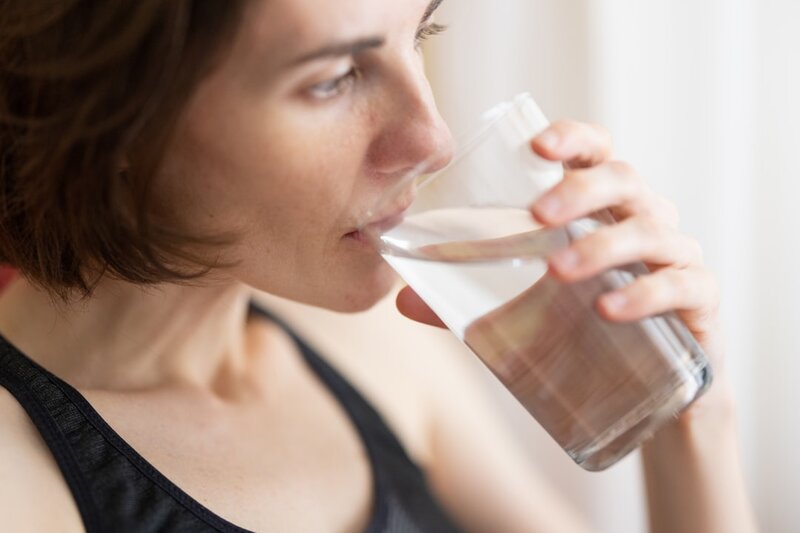
This is the single most effective thing you can do. Drinking enough fluids — ideally 6 to 8 glasses of water or other non-caffeinated drinks daily — helps flush bacteria from the urinary tract before an infection can take hold. Many older adults reduce fluid intake to avoid frequent trips to the toilet, but this is counterproductive and increases UTI risk.
If you find it hard to remember, try keeping a water bottle nearby or having a glass with each meal. Herbal teas count too.
Good Toilet Habits
- Don’t delay going to the toilet when you feel the urge — holding urine allows bacteria to multiply
- Take your time to empty your bladder fully
- For women: always wipe from front to back
- Urinate soon after sexual activity
The Cranberry Question
Cranberry juice and supplements have long been recommended for UTI prevention. The evidence is mixed but leaning positive for prevention — a 2023 Cochrane review found that cranberry products may reduce the risk of recurrent UTIs in some groups, particularly women with a history of repeat infections.
However, cranberry products cannot treat an active UTI — that requires medical attention. If you take warfarin or other blood-thinning medication, check with your pharmacist before using cranberry supplements, as they can interact.
Clothing and Hygiene
- Wear breathable cotton underwear
- Avoid heavily perfumed soaps, bubble baths, or intimate washes — these can irritate the urethra
- If you use continence pads, change them regularly
For Women: Vaginal Oestrogen
For post-menopausal women who experience recurrent UTIs, topical vaginal oestrogen (available on prescription from your GP) has strong evidence for preventing recurrence. It works by restoring the natural protective bacteria in the vaginal area. This is a localised treatment with minimal systemic absorption and is recommended by both the HSE and international guidelines for women with frequent UTIs.
When to See Your GP
See your GP if you have symptoms of a UTI. While mild symptoms occasionally resolve on their own with increased fluids, most UTIs require a short course of antibiotics. Your GP will usually request a urine sample (a “mid-stream urine” or MSU) to confirm the infection and identify the best antibiotic.
Seek urgent medical attention if you experience:
- High temperature or fever with chills
- Severe pain in your back or side (this may indicate a kidney infection)
- Blood in your urine
- Sudden confusion alongside urinary symptoms
- Symptoms that return shortly after finishing antibiotics
A Word on Antibiotic Stewardship
Antibiotic resistance is a growing concern in Ireland and globally. Not every positive urine test means you need antibiotics. A condition called asymptomatic bacteriuria — where bacteria are present in the urine but cause no symptoms — is common in older adults and generally does not require treatment.
Your GP is best placed to decide whether antibiotics are needed. If prescribed, always complete the full course, even if you feel better after a day or two. The HSE’s antimicrobial stewardship programme actively supports GPs in prescribing antibiotics appropriately — this protects both you and the wider community.
Recurrent UTIs: Breaking the Cycle
Some people — particularly women — experience three or more UTIs in a year. If this sounds familiar, your GP can discuss preventive strategies including:
- Low-dose prophylactic antibiotics — a small daily dose for several months
- Post-coital antibiotics — a single dose after sexual activity if this is a trigger
- Topical vaginal oestrogen for post-menopausal women
- D-mannose supplements — a natural sugar that may help prevent E. coli (the most common UTI-causing bacterium) from attaching to the bladder wall. Early evidence is promising, though more research is needed
- Referral to a urologist — if infections persist despite preventive measures, or if there are structural concerns
Irish Supports and Entitlements
If you are managing recurrent UTIs or related urinary issues, several supports are available:
- GP visit card — everyone over 70 in Ireland is entitled to a free GP visit card, making it easier to seek help without worrying about cost
- CDM Programme — the HSE’s Chronic Disease Management Programme covers structured care for conditions like diabetes that increase UTI risk
- Community pharmacist — your local pharmacist can advise on over-the-counter remedies, hydration, and whether symptoms warrant a GP visit. Many pharmacies now offer UTI consultations
- Public Health Nurse — for those receiving home support, PHNs can help with catheter care and hygiene education
- Continence advisory services — the HSE provides specialist continence advice through community health teams
At Críonna Health, we believe that understanding common health issues like UTIs empowers you to take practical steps that make a real difference. Knowledge, hydration, and a good relationship with your GP are your best defences.
Key Takeaways
- UTIs are common after 50 but largely preventable with good hydration and simple hygiene habits
- Watch for atypical symptoms — confusion, falls, or fatigue may signal a UTI in older adults
- Cranberry products may help prevent recurrence but cannot treat an active infection
- Not every positive urine test needs antibiotics — trust your GP’s clinical judgement
- If you get three or more UTIs a year, ask your GP about preventive strategies
- Irish supports are available — from free GP visits for over-70s to community pharmacy advice and HSE continence services
📷 Photo by engin akyurt on Unsplash