If you have ever noticed bulging, twisted veins on your legs — or felt an ache, heaviness, or swelling that worsens as the day goes on — you are far from alone. Varicose veins are one of the most common vascular conditions in Ireland and across Europe, and they become increasingly prevalent after the age of 50. Yet many people put up with discomfort for years, unsure whether their symptoms warrant a visit to the GP or whether anything can actually be done.
The good news is that there is plenty you can do — from simple lifestyle changes to effective medical treatments available through the HSE and private clinics. This guide explains what varicose veins are, why they happen, and how to look after your vein health as you get older.
TL;DR
- Varicose veins affect roughly one in three adults over 50 and are caused by weakened valves in the leg veins.
- Risk factors include age, family history, prolonged standing or sitting, obesity, and hormonal changes — women are affected more often than men.
- Regular walking, leg elevation, compression stockings, and maintaining a healthy weight are the most effective everyday measures.
- See your GP if you experience persistent pain, skin changes, swelling, or ulcers — these may signal chronic venous insufficiency.
- Modern treatments (endovenous laser, radiofrequency ablation, foam sclerotherapy) are minimally invasive and available through HSE vascular services or private clinics in Ireland.
What Are Varicose Veins?
Veins carry blood back to the heart, working against gravity when you are standing or sitting. Tiny one-way valves inside the veins open to let blood flow upward and close to prevent it from pooling. When these valves weaken or fail — a process that becomes more likely with age — blood collects in the vein, causing it to swell, bulge, and twist beneath the skin.
Varicose veins most often appear on the legs and feet, where the pressure on veins is greatest. They may look dark blue or purple and can range from mildly visible threads (often called spider veins or thread veins) to large, rope-like bulges.
Why Are They More Common After 50?
As we age, the walls and valves of our veins naturally lose some of their elasticity and strength. Research from the Edinburgh Vein Study — one of the largest population-based vein studies — found that the prevalence of varicose veins increases significantly with each decade of life. By the time people reach their 50s and 60s, up to a third may be affected.
Several factors raise the risk:
- Family history — if a parent or sibling has varicose veins, your own risk is substantially higher.
- Prolonged standing or sitting — occupations that involve long hours on your feet (or at a desk) put extra strain on leg veins.
- Sex — women are more likely to develop varicose veins, partly due to hormonal changes during menopause and the effects of previous pregnancies.
- Excess weight — additional body weight increases the pressure on leg veins.
- Reduced mobility — less movement means the calf muscles, which act as a pump helping blood return to the heart, are less active.
When Are Varicose Veins More Than a Cosmetic Concern?
Many people assume varicose veins are simply a cosmetic issue. For some, that is true — the veins are visible but cause no discomfort. However, for others, varicose veins bring a range of symptoms that can significantly affect daily life:
- Aching, throbbing, or a feeling of heaviness in the legs
- Swelling in the lower legs and ankles, especially after long periods of standing
- Itching or burning around affected veins
- Muscle cramps, particularly at night
- Restless legs or a sensation of tiredness in the legs
If left untreated, chronic venous insufficiency can develop over time, potentially leading to skin changes (such as darkening or hardening of the skin around the ankles), eczema, or in more serious cases, venous leg ulcers. These are open sores — usually near the ankle — that can be slow to heal and are a significant health concern for older adults.
See your GP if you notice: persistent pain or swelling, skin colour changes around your ankles, hardened or shiny skin on your lower legs, or any wound on your leg that is not healing.
Looking After Your Vein Health: Everyday Steps
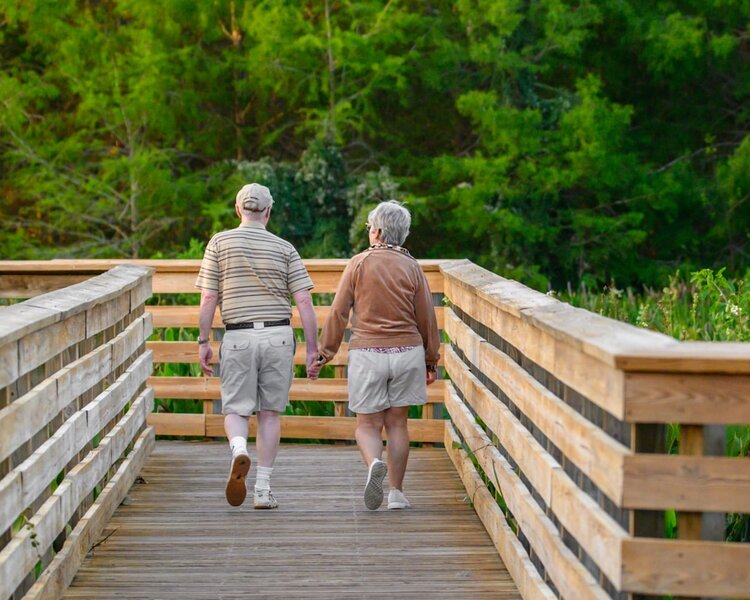
The single most important thing you can do for your veins is keep moving. Walking activates the calf muscle pump, which helps push blood back up towards the heart and reduces pooling in the leg veins. Even a short daily walk makes a meaningful difference.
Practical tips
- Walk regularly — aim for 30 minutes most days. Ireland’s network of Slí na Sláinte walking routes and local parkrun events offer accessible, social ways to stay active.
- Elevate your legs — when resting, raise your legs above heart level for 15–20 minutes a few times a day. This helps blood flow back to the heart and reduces swelling.
- Avoid prolonged sitting or standing — if you sit for long periods, flex your ankles and calves regularly. If you stand a lot, shift your weight and take seated breaks.
- Maintain a healthy weight — excess weight puts additional pressure on leg veins. Even modest weight loss can ease symptoms.
- Wear compression stockings — graduated compression stockings gently squeeze the legs, helping blood flow more efficiently. Your GP or pharmacist can advise on the right grade (Class 1 or 2 for most people). They are available from pharmacies across Ireland and may be covered under the Medical Card or Drug Payment Scheme in some circumstances.
- Stay hydrated and eat fibre — constipation and straining can worsen varicose veins by increasing abdominal pressure. A fibre-rich diet (wholegrains, fruits, vegetables) and adequate water intake help prevent this.
Treatment Options in Ireland
If lifestyle measures are not enough, there are effective medical treatments available. The landscape has changed significantly in recent years — the days of painful “vein stripping” surgery are largely behind us. Modern treatments are minimally invasive, often performed as day procedures, and have good outcomes.
HSE pathway
Your GP can refer you to a vascular specialist through the public system. Waiting times vary by region, but the National Treatment Purchase Fund (NTPF) may offer access to treatment in private facilities if HSE waiting lists are lengthy. It is worth asking your GP about NTPF options if you have been waiting some time.
Common procedures
- Endovenous laser ablation (EVLA) — a thin laser fibre is inserted into the vein under ultrasound guidance. Heat from the laser seals the vein closed. This is now considered a first-line treatment and is typically done under local anaesthetic.
- Radiofrequency ablation (RFA) — similar to laser ablation but uses radiofrequency energy to close the vein. Recovery is generally quick, with most people returning to normal activities within a few days.
- Foam sclerotherapy — a foam solution is injected into the vein, causing it to collapse and gradually be reabsorbed by the body. This is often used for smaller veins or in combination with other treatments.
- Compression therapy — for venous leg ulcers or more severe chronic venous insufficiency, specialised compression bandaging managed by HSE community nursing teams can be highly effective.
Private vascular clinics in Dublin, Cork, Galway, and other cities also offer these treatments, often with shorter waiting times. Costs vary, so it is worth comparing options and checking whether your health insurance covers varicose vein procedures — many policies do, particularly where symptoms are present.
When to Seek Urgent Help
While varicose veins are usually a chronic, manageable condition, there are rare situations that need prompt attention. If a varicose vein bleeds (which can happen if the skin over it becomes thin), apply firm pressure with a clean cloth, elevate the leg, and seek medical help. If you notice sudden painful swelling in one leg accompanied by warmth and redness, contact your GP urgently or attend an emergency department, as this could indicate a deep vein thrombosis (DVT).
A Note on Self-Image and Confidence
It is worth acknowledging that visible varicose veins can affect how people feel about themselves — especially during warmer months when legs are more visible. This is completely natural and nothing to feel embarrassed about. If the appearance of your veins is affecting your confidence or stopping you from doing activities you enjoy, that in itself is a valid reason to explore treatment options with your GP.
Where Críonna Health Fits In
At Críonna Health, we believe that looking after your vein health is part of the broader picture of ageing well. It connects to staying active, maintaining mobility, and feeling comfortable in your own body. Whether you are managing mild varicose veins with daily walks and compression stockings, or considering a referral for treatment, taking action is always worthwhile.
Key Takeaways
- Varicose veins are very common after 50 and are not simply a cosmetic issue — they can cause real discomfort and, if untreated, lead to complications.
- Daily walking, leg elevation, compression stockings, and a healthy weight are your best everyday defences.
- Modern treatments are minimally invasive and effective — speak to your GP about a referral if symptoms persist.
- The HSE, NTPF, and private clinics all offer treatment pathways in Ireland.
- Never ignore skin changes, non-healing wounds, or sudden leg swelling — these warrant prompt medical attention.
📷 Photo by Richard Sagredo on Unsplash