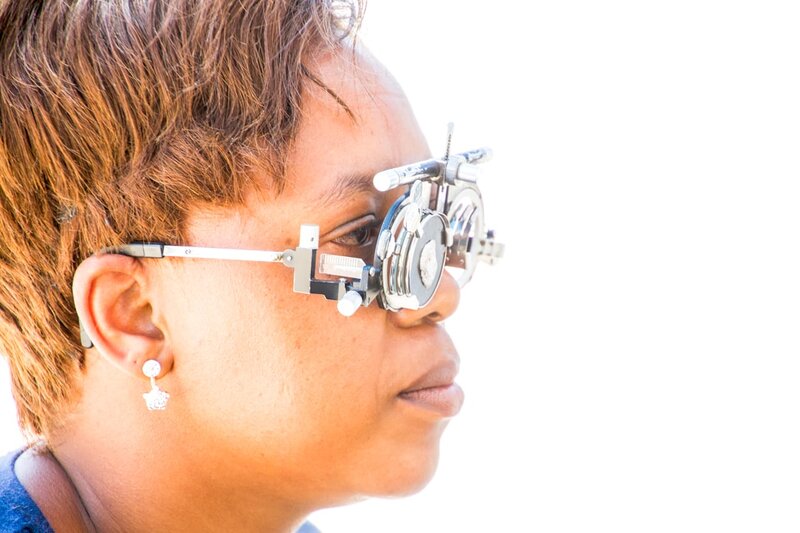
If you’re over 50, there’s a good chance cataracts will touch your life at some point — either your own or someone close to you. It’s one of the most common age-related eye conditions in Ireland, and yet many people aren’t quite sure what cataracts are, when to act, or what surgery actually involves. The good news? Cataract surgery is one of the safest and most effective procedures in modern medicine, and understanding the journey from diagnosis to recovery can take much of the worry out of it.
TL;DR
- Cataracts are a natural part of ageing — by 65, most people have some degree of lens clouding
- Symptoms include blurred vision, glare sensitivity, faded colours, and difficulty driving at night
- Surgery is the only effective treatment, typically taking 15–30 minutes with local anaesthetic
- In Ireland, cataract surgery is available through the HSE (public) or privately, with NTPF cross-border options for long waiting lists
- Recovery is usually quick — most people notice improved vision within days and return to normal activities within a few weeks
What Exactly Are Cataracts?
A cataract is a clouding of the natural lens inside your eye. Think of it like looking through a foggy window — the world gradually becomes less sharp, less vivid, and harder to navigate. The lens, which sits behind your iris and pupil, is normally clear. Over time, proteins in the lens break down and clump together, creating cloudy patches that scatter light instead of focusing it properly.
This isn’t a disease in the traditional sense — it’s a natural change that happens with ageing. According to the Irish College of Ophthalmologists, most people over 65 have some degree of cataract development, though not everyone will need treatment. Some cataracts progress so slowly they never significantly affect vision, while others can develop more quickly and begin interfering with daily life.
Recognising the Signs
Cataracts tend to develop gradually, which means many people adapt without realising how much their vision has changed. Common signs to watch for include:
- Blurred or hazy vision that doesn’t improve with new glasses
- Increased sensitivity to glare, particularly from oncoming headlights when driving at night
- Colours appearing faded or yellowish — you might not notice until after surgery when colours suddenly look vivid again
- Needing brighter light for reading or close work
- Frequent changes to your glasses prescription that don’t seem to help
- Double vision in one eye (less common but worth noting)
If any of these sound familiar, it’s worth mentioning to your optometrist at your next eye test. In Ireland, adults over 70 with a medical card are entitled to a free eye examination every two years through the HSE’s Treatment Benefit Scheme. If you’re aged 60–69 with PRSI contributions, you may also qualify.
When Is It Time for Surgery?
There’s no set timeline for when cataracts “need” to be treated. The decision is typically guided by how much your vision is affecting your quality of life. Your ophthalmologist will consider factors like:
- Whether your vision meets the legal standard for driving (a corrected visual acuity of at least 6/12 in your better eye)
- How much difficulty you’re having with everyday tasks — reading, recognising faces, cooking, moving around safely
- Whether the cataract is increasing your risk of falls (reduced vision is a significant falls risk factor for older adults)
- Your overall health and ability to undergo the procedure
It’s important to know that waiting doesn’t usually make surgery riskier or more complicated. However, there’s also no benefit to putting it off if your vision is genuinely affecting your independence or safety.
What Happens During Cataract Surgery
Cataract surgery is a day procedure — you’ll go home the same day. Here’s what to expect:
Before the procedure: You’ll have a pre-operative assessment where your ophthalmologist measures your eye to select the right replacement lens. You’ll receive instructions about any medications to stop or continue, and you’ll need someone to drive you home afterwards.
During the procedure: The surgery itself typically takes just 15–30 minutes. You’ll be awake but your eye will be numbed with local anaesthetic drops, so you won’t feel pain. The surgeon makes a tiny incision, uses ultrasound to break up the cloudy lens (a technique called phacoemulsification), and replaces it with a clear artificial lens called an intraocular lens (IOL). You won’t need stitches — the incision is self-sealing.
After the procedure: Your eye may be covered with a protective shield. You’ll be given antibiotic and anti-inflammatory eye drops to use for several weeks. Most people notice an improvement in their vision within a day or two, though it can take a few weeks for everything to fully settle.
If both eyes need surgery, they’re typically done four to six weeks apart to allow the first eye to heal.
Accessing Cataract Surgery in Ireland
In Ireland, you have several routes to cataract surgery:
Public (HSE): Your GP refers you to a hospital ophthalmology department. Waiting times vary significantly by region — some areas have shorter lists than others. The procedure is free for public patients.
National Treatment Purchase Fund (NTPF): If you’ve been on a public waiting list for an extended period, you may be offered treatment through the NTPF, which can arrange surgery in a private hospital or even cross-border in Northern Ireland. This is funded by the HSE, so there’s no cost to you. Ask your hospital’s patient services about your eligibility.
Private: If you have private health insurance or wish to self-fund, you can access surgery more quickly. Costs typically range from €2,000 to €3,500 per eye, depending on the clinic and the type of lens chosen. Many private health insurance plans cover cataract surgery — check your policy or ring your provider.
Recovery: What to Expect
Recovery from cataract surgery is generally straightforward, but it’s worth knowing what’s normal and when to seek help:
The first few days: Your eye may feel gritty, slightly itchy, or watery. Some mild discomfort is normal, but sharp pain is not — contact your eye clinic or hospital if you experience this. Avoid rubbing your eye, and wear the protective shield at night as advised.
The first few weeks: Use your eye drops exactly as prescribed. Avoid heavy lifting, swimming, and getting soapy water or shampoo directly in your eye. Most people can return to light activities, including reading and watching television, within a day or two.
Driving: You can usually resume driving once your vision meets the legal standard and you feel confident. This varies — some people are back behind the wheel within a week, while others take longer. Your ophthalmologist will advise at your follow-up appointment.
New glasses: Your prescription will likely change after surgery, so wait until your eye has fully settled (usually four to six weeks) before getting new glasses.
After Surgery: A Common and Welcome Surprise
Many people are genuinely surprised by how much their vision has improved. Colours that had gradually faded suddenly appear brighter and more vivid. Reading becomes easier. Night driving feels less daunting. It’s common to hear people say, “I didn’t realise how bad it had got.”
A small number of people may develop a condition called posterior capsule opacification (PCO) months or years after surgery, where the membrane behind the new lens becomes cloudy. This is easily treated with a quick, painless laser procedure called YAG capsulotomy, often done in the clinic in a few minutes.
Protecting Your Eyes Going Forward
While you can’t prevent cataracts entirely, you can take steps to support your overall eye health:
- Wear UV-protective sunglasses outdoors, even on overcast Irish days
- Don’t smoke — smoking significantly increases cataract risk and progression
- Manage diabetes carefully if you have it, as high blood sugar accelerates lens changes
- Eat a varied diet rich in leafy greens, colourful fruits, and omega-3 fatty acids
- Attend regular eye examinations — early detection of any eye condition makes a real difference
Where to Find Support
If you or someone you care about is navigating cataracts, these Irish resources can help:
- Fighting Blindness Ireland (fightingblindness.ie) — information, support, and advocacy for people with sight loss
- NCBI (Vision Ireland) — practical supports including assistive technology, counselling, and community services
- Irish College of Ophthalmologists — reliable medical information on eye conditions
- HSE Eye Services — details on public entitlements and referral pathways
- Críonna Health (crionnahealth.reptile.haus) — practical guides on healthy ageing topics including eye health, falls prevention, and navigating the Irish health system
Cataracts are a natural part of ageing, not a sign of something going wrong. With modern surgery offering such excellent outcomes, the key is simply knowing when to act and what to expect. If your vision has been slowly changing, a conversation with your optometrist is the best place to start.
📷 Photo by Hush Naidoo Jade Photography on Unsplash