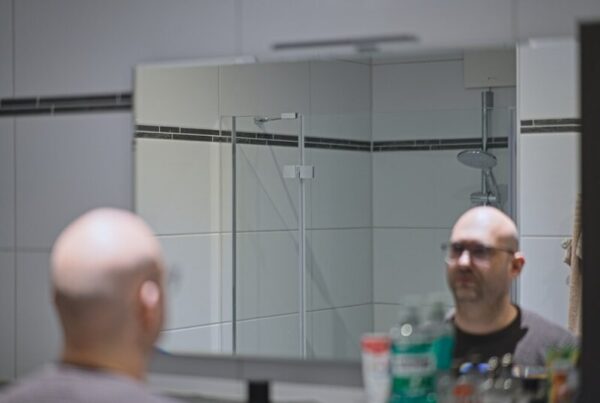
There is something quietly powerful about a well-worn routine. The morning cup of tea at the kitchen table. The walk to the shop after lunch. The crossword before bed. These small, repeated acts might seem unremarkable, but a growing body of research suggests they are among the most important things we can do for our health as we get older.
Whether you are still working, recently retired, or well settled into later life, the rhythms you build into your day can have a profound effect on everything from sleep quality to cognitive sharpness, emotional resilience to physical health. And the good news is that it is never too late to start.
TL;DR
- Consistent daily routines support better sleep, lower stress, and improved cognitive function in adults over 50.
- Regular meal times, movement, and social contact are three pillars of a health-promoting routine.
- TILDA research shows that older adults in Ireland who engage in regular physical and social activities report significantly better quality of life.
- Routines provide a sense of purpose and control — particularly important during life transitions like retirement.
- Irish supports including Active Retirement Ireland, Men’s Sheds, parkrun, and HSE community programmes can help build structure into your week.
Why Routines Matter More as We Age
Our bodies run on internal clocks — circadian rhythms that regulate sleep, digestion, hormone release, and even immune function. Research published in the Journal of Clinical Sleep Medicine has shown that irregular daily schedules are associated with poorer sleep quality, increased inflammation, and higher rates of metabolic dysfunction in older adults.
As we age, these internal clocks become more sensitive to disruption. Jet lag hits harder. Late nights take longer to recover from. Irregular eating patterns are more likely to affect blood sugar levels. A consistent routine helps keep these rhythms synchronised, which in turn supports better health outcomes across the board.
The Irish Longitudinal Study on Ageing (TILDA) has consistently found that older adults who maintain regular patterns of physical activity and social engagement report better self-rated health, fewer depressive symptoms, and greater life satisfaction. It is not just about what you do — it is about doing it consistently.
The Building Blocks of a Good Routine
You do not need a rigid, minute-by-minute schedule. In fact, the most sustainable routines are flexible frameworks rather than strict timetables. Here are the key building blocks to consider.
1. A Consistent Wake-Up and Wind-Down
Going to bed and waking up at roughly the same time each day is one of the single most effective things you can do for your sleep. The HSE recommends maintaining a regular sleep schedule as a cornerstone of good sleep hygiene, and this becomes even more important after 50 when sleep architecture naturally changes.
A calming wind-down routine — perhaps a warm drink, some light reading, or a few minutes of gentle stretching — signals to your body that it is time to rest. Avoid screens for at least 30 minutes before bed, as the blue light can suppress melatonin production.
2. Regular Meal Times
Eating at consistent times helps regulate blood sugar, supports digestion, and can even improve mood. Research from the WHO highlights that regular, balanced meals are particularly important for older adults, who may be at greater risk of malnutrition or unintentional weight loss.
If you live alone, it can be easy to skip meals or eat irregularly. Community meal programmes — such as those run by Active Retirement Ireland groups or local parish centres — offer both nutrition and social connection. Meals on Wheels services, available through the HSE and local providers, can also help maintain regular eating patterns if cooking becomes difficult.
3. Daily Movement
You do not need to run a marathon. A daily walk, a swim at the local pool, a gardening session, or a chair-based exercise class all count. What matters most is consistency. The WHO recommends that adults over 65 aim for at least 150 minutes of moderate-intensity activity per week — that is just over 20 minutes a day.
Building movement into your routine at the same time each day makes it easier to stick with. Many people find a morning walk works well — it gets you outside, exposes you to natural light (which helps regulate your circadian rhythm), and sets a positive tone for the day. Ireland’s network of Slí na Sláinte walking routes, parkrun events, and Get Ireland Walking groups make it easier than ever to find a local option.
4. Social Connection
Loneliness and social isolation are significant health risks for older adults — ALONE Ireland has highlighted that social isolation can be as harmful to health as smoking 15 cigarettes a day. Building regular social contact into your routine is not a luxury; it is a health necessity.
This might mean a weekly coffee morning with friends, a regular phone call with family, attending a local club or group, or volunteering. The key is regularity. Having something in the diary gives you a reason to get up, get dressed, and get out — and knowing others expect you adds gentle accountability.
5. Mental Stimulation
Keeping your mind active is just as important as keeping your body moving. A daily crossword, sudoku, reading, learning a language, or picking up a new skill all help maintain cognitive function. The Lancet Commission on Dementia Prevention identified lifelong learning and cognitive engagement as protective factors against cognitive decline.
Many Education and Training Boards (ETBs) across Ireland offer free or low-cost courses for older adults, from digital skills to creative writing. Libraries run reading groups and events. Men’s Sheds provide hands-on learning in a social setting. These are all excellent ways to build regular mental stimulation into your week.
Routines and Life Transitions
Daily routines take on particular importance during major life transitions. Retirement is perhaps the most significant — after decades of having your day structured by work, suddenly having unstructured time can feel disorienting rather than liberating.
Research from Age Action Ireland suggests that the first year of retirement is a critical adjustment period. Those who build new routines early tend to adapt more successfully. This does not mean filling every hour — it means creating enough structure to provide purpose and rhythm, while leaving room for spontaneity and rest.
Similarly, after a bereavement, a health setback, or a move to a new home, re-establishing routines can provide a sense of stability and control when everything else feels uncertain. Even small anchors — the same morning tea, the same evening walk — can be profoundly grounding.
Starting Small: Practical Tips
If your days currently lack structure, do not try to overhaul everything at once. Start with one or two anchor points and build from there.
- Pick one fixed wake-up time and stick to it for a week, even at weekends.
- Add a daily walk — even 10 minutes counts. Same time, same route to start with.
- Schedule one social activity per week — a class, a group, a coffee with a friend.
- Create an evening wind-down ritual — the same sequence of small actions that signals bedtime.
- Write it down — a simple weekly planner on the fridge can help new habits stick.
The goal is not perfection. It is about creating a gentle framework that supports your health and gives your days a sense of purpose and flow.
Irish Supports for Building Your Routine
Ireland has a wealth of community resources that can help you build structure and connection into your week:
- Active Retirement Ireland — local groups offering activities from walking to crafts, bowls to book clubs. Visit activeretirementireland.com to find your nearest group.
- Men’s Sheds — community spaces for hands-on projects and social connection. Over 450 Sheds across Ireland.
- parkrun — free, weekly 5km walk/run events every Saturday morning at locations nationwide.
- ALONE — befriending services, support coordination, and a national helpline (0818 222 024) for older adults who may be isolated.
- HSE Living Well Programme — a free six-week group programme for people living with long-term health conditions, focusing on self-management skills.
- Local ETBs — free and subsidised courses for adults, from digital skills to languages and creative arts.
At Críonna Health, we believe that healthy ageing is not about grand gestures — it is about the small, consistent choices we make each day. A routine is not a cage; it is a scaffold that supports you to live well, stay connected, and make the most of every stage of life.
Final Thought
The philosopher Will Durant, summarising Aristotle, wrote: “We are what we repeatedly do. Excellence, then, is not an act, but a habit.” The same is true of health. It is not the occasional burst of effort that makes the difference — it is the quiet, daily rhythms we build and maintain. Start small. Be consistent. And trust that the routine will carry you.
📷 Photo by Shane Ryan Herilalaina (@alekseyryan) on Unsplash