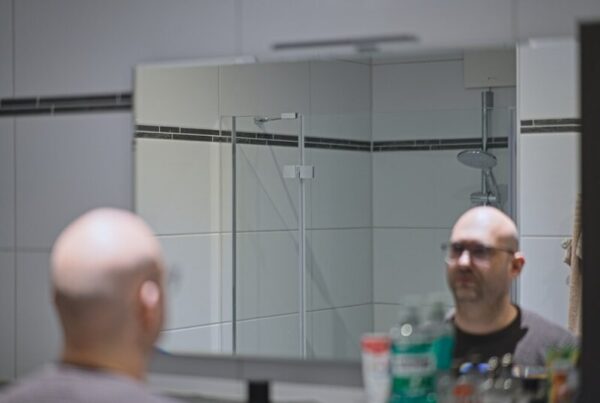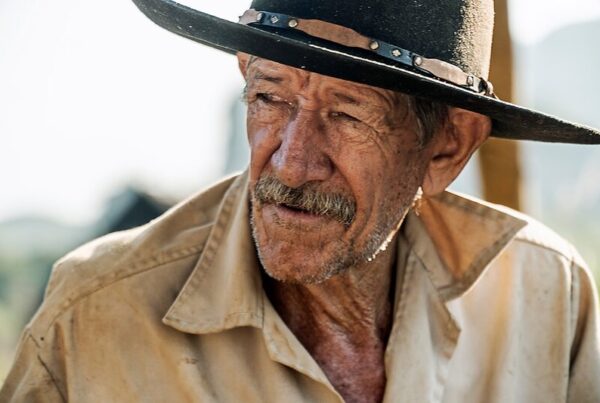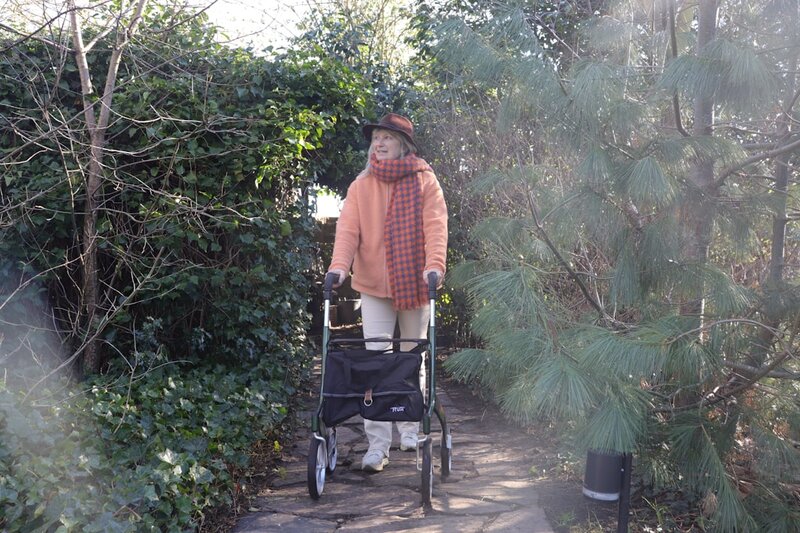
A health setback — whether it’s a fall, a cardiac event, a stroke, or a major surgery — can shake more than just your body. For many older adults, the hardest part of recovery isn’t the physical healing itself. It’s the loss of confidence that follows: the fear of it happening again, the reluctance to go out, and the quiet worry that life won’t quite feel the same.
If this sounds familiar, you’re far from alone. Research from the Irish Longitudinal Study on Ageing (TILDA) consistently shows that fear of falling, for example, affects a significant proportion of adults over 50 — even those who haven’t actually fallen. And that fear, left unaddressed, can become a barrier to the very activity that would help recovery most.
The good news? Confidence can be rebuilt. It takes time, patience, and the right support — but it absolutely can be done. Here’s a practical guide to getting back on your feet, in every sense.
TL;DR
- Health setbacks often cause a loss of confidence that can be more limiting than the physical injury itself
- Fear of falling affects up to 60% of older adults who have experienced a fall, and many who haven’t
- Graduated, step-by-step return to activity — guided by your GP or physiotherapist — is key to rebuilding confidence
- HSE community rehabilitation teams, cardiac rehab, and stroke services provide structured support across Ireland
- Psychological support, peer groups, and community programmes like Men’s Sheds and Active Retirement can help restore social confidence
Why Confidence Takes a Hit After a Health Event
When something goes wrong with our health, the body’s natural response is to become more cautious. This is protective — your brain is trying to keep you safe. But over time, that caution can harden into avoidance. You stop walking to the shops. You cancel social plans. You begin to feel less like yourself.
This pattern is well-documented. After a fall, many older adults develop what clinicians call post-fall syndrome — a combination of fear, reduced mobility, and social withdrawal that can persist long after the physical injury has healed. After a cardiac event, anxiety about exertion is extremely common. After a stroke, changes in speech, mobility, or cognition can make everyday interactions feel daunting.
The important thing to understand is that this is a normal response — not a character flaw. And like the physical injury itself, it responds to the right kind of care.
Start Small: The Power of Graduated Steps
One of the most effective approaches to rebuilding confidence is graded exposure — starting with small, manageable steps and gradually building up. This isn’t about pushing through fear; it’s about proving to yourself, gently and repeatedly, that you can do a little more than you thought.
Practical examples:
- After a fall: Begin with standing exercises at home, holding onto a chair. Progress to walking short distances indoors, then to the front door, then around the garden, and eventually to the local shop.
- After a cardiac event: Follow your cardiac rehabilitation programme’s phased approach. Start with monitored walking, then build duration and pace as your team advises.
- After a stroke: Work with your physiotherapist and occupational therapist on specific tasks — from buttoning a shirt to making a cup of tea. Each small achievement rebuilds neural pathways and confidence simultaneously.
The key is consistency over intensity. A 10-minute walk every day does far more for confidence than one ambitious outing that leaves you exhausted and discouraged.
Lean on Your Healthcare Team
You don’t have to figure this out alone. Ireland has a range of supports designed to help people recover — not just physically, but in terms of confidence and independence too.
HSE Community Rehabilitation Teams
Many areas across Ireland have Community Rehabilitation Teams that include physiotherapists, occupational therapists, speech and language therapists, and social workers. These teams work together to support your recovery at home and in the community. Ask your GP for a referral.
Cardiac Rehabilitation
If you’ve had a heart attack, heart surgery, or been diagnosed with heart failure, your hospital should offer a cardiac rehabilitation programme. These typically run for 8–12 weeks and combine supervised exercise, education, and psychological support. The Irish Heart Foundation also runs Heart Support Groups in communities across the country.
Stroke Services
The HSE’s National Stroke Programme has improved access to early supported discharge and community stroke rehabilitation. The Irish Heart Foundation’s Stroke Support Groups and their Stroke Nurse Helpline (Freephone 1800 25 25 50) provide ongoing peer and professional support.
Falls Prevention Clinics
Many hospitals run dedicated falls clinics (sometimes called bone health or syncope clinics) that assess why a fall happened and put a plan in place to reduce future risk. This often includes medication review, balance training, vision checks, and home hazard assessment — all of which can significantly restore confidence.
Address the Emotional Side
Physical rehabilitation is essential, but so is emotional recovery. Anxiety, low mood, and even a form of grief for your former level of ability are all common after a health setback. Ignoring these feelings doesn’t make them go away — it often makes the physical recovery harder.
Options worth exploring:
- Talk to your GP: They can refer you for counselling or to HSE talking therapies. Short-term cognitive behavioural therapy (CBT) is particularly effective for health-related anxiety and fear of falling.
- HSE Counselling in Primary Care (CIPC): Free short-term counselling available through GP referral.
- Peer support: Sometimes the most powerful reassurance comes from someone who’s been through something similar. Groups like the Irish Heart Foundation’s support groups, Croí in the West, or local Active Retirement branches can connect you with people who genuinely understand.
- ALONE’s Support & Befriending service: If you’re recovering at home and feeling isolated, ALONE (0818 222 024) can provide regular check-in calls and connect you with local supports.
Rebuild Your Social Confidence
A health setback can quietly shrink your world. You might avoid social situations because you’re worried about managing, embarrassed about changes in your ability, or simply exhausted by the thought of it. But social connection is one of the most powerful medicines for recovery.
Some gentle starting points:
- Men’s Sheds offer a relaxed, no-pressure environment to socialise while doing something practical. There are over 450 across Ireland.
- Active Retirement Ireland groups run activities from gentle exercise classes to coffee mornings — at whatever pace suits you.
- Your local Family Resource Centre or community centre often has drop-in groups, walking groups, and social events designed to be accessible.
- Age & Opportunity’s Go for Life programme supports physical activity in a social setting, specifically for older adults.
You don’t have to arrive at full fitness before you re-engage socially. In fact, re-engaging socially is often what helps you get there.
Practical Tips for Day-to-Day Confidence
- Use aids without shame: A walking stick, a grab rail, or a personal alarm isn’t a sign of defeat — it’s a tool that gives you the confidence to stay active and independent.
- Plan your outings: Know where the seats, toilets, and rest spots are. A little planning removes a lot of anxiety.
- Celebrate small wins: Walked to the end of the road today? That’s progress. Made it to the shops for the first time in weeks? That’s a victory. Recovery isn’t linear, and every step forward counts.
- Keep a recovery journal: Writing down what you managed each day can help you see progress that’s hard to notice in the moment.
- Communicate with family: Let those close to you know what helps and what doesn’t. Well-meaning family members sometimes overprotect, which can inadvertently undermine your confidence further.
When to Ask for More Help
If, several weeks after your health event, you find that your confidence isn’t improving — or is getting worse — it’s worth talking to your GP. Persistent anxiety, avoidance of all activity, low mood lasting more than a couple of weeks, or sleep disruption related to worry about your health are all signs that you could benefit from additional support.
There’s no weakness in this. Recovery is a process with physical, emotional, and social dimensions, and sometimes one part needs a bit more attention than the others.
Where Críonna Health Fits In
At Críonna Health, we believe that healthy ageing isn’t just about preventing illness — it’s about living fully, even when things don’t go to plan. Setbacks are a part of life, but they don’t have to define it. Our resources are here to help you navigate the practical and emotional sides of ageing well in Ireland, one step at a time.
📷 Photo by Mobio Marketing on Unsplash