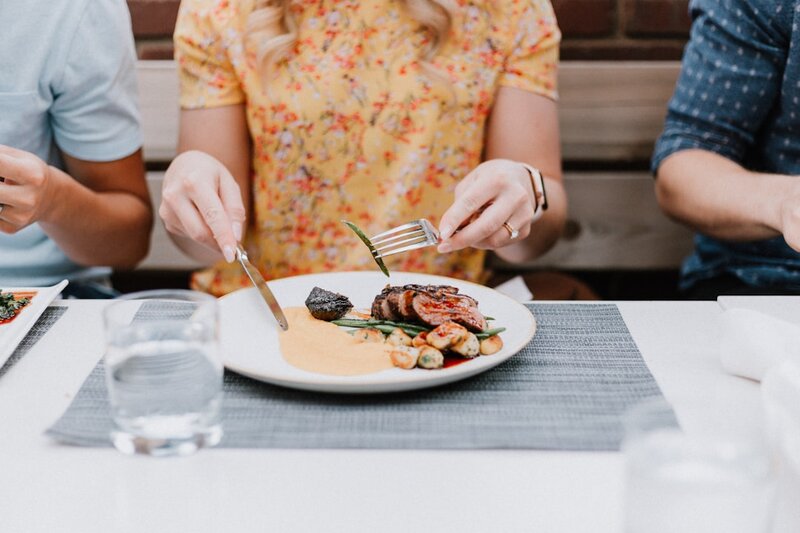
There is something deeply nourishing about sitting down to eat with other people. It is not just about the food on the plate — though that matters too — but about the conversation, the laughter, the sense of belonging that comes from sharing a meal. For adults over 50, social eating is increasingly recognised as one of the simplest and most powerful things you can do for your physical and mental health.
TL;DR
- Eating with others is linked to better nutrition, lower rates of depression, and improved cognitive health in adults over 50
- Social isolation and solo eating are associated with poorer dietary choices and increased risk of malnutrition
- Ireland has a growing network of community cafés, Men’s Sheds, meals-on-wheels with dining options, and Active Retirement groups that offer shared meals
- Even one or two shared meals per week can make a measurable difference to wellbeing
- Hosting or joining a regular meal group is a practical, low-cost way to stay connected and eat well
Why Eating Together Matters More After 50
Research from the Irish Longitudinal Study on Ageing (TILDA) consistently highlights the link between social participation and better health outcomes in older adults. While much attention rightly goes to what we eat, less is said about how and with whom we eat — and this matters enormously.
A 2023 study published in the International Journal of Behavioural Nutrition and Physical Activity found that adults who regularly ate alone consumed fewer vegetables, less variety in their diet, and were more likely to skip meals altogether. The effect was particularly pronounced in men living alone and in adults over 65.
When we eat with others, we tend to:
- Prepare more balanced, varied meals
- Eat at regular times rather than grazing or skipping
- Consume more fruit, vegetables, and home-cooked food
- Enjoy the meal more, which improves digestion and nutrient absorption
- Stay at the table longer, allowing satiety signals to work properly
The Mental Health Connection
Beyond nutrition, shared meals offer something that no supplement can provide: human connection. Loneliness and social isolation are recognised by the World Health Organisation as significant risk factors for poor health in later life, comparable in impact to smoking or obesity.
Mealtimes provide natural structure and ritual. For people who have retired, lost a partner, or whose children have moved away, the loss of regular shared meals can quietly erode both appetite and mood. A weekly lunch with friends, a community café morning, or even a regular video call over dinner with family can restore that rhythm.
ALONE Ireland’s research shows that many older adults who live alone eat their main meal in front of the television — not by preference, but because eating in silence feels uncomfortable. The meal itself becomes smaller, less varied, and less enjoyable over time.
Social Eating and Cognitive Health
There is growing evidence that regular social interaction — including conversation over meals — supports cognitive function as we age. The act of engaging in discussion, listening, responding, and even debating stimulates neural pathways that solitary activities do not. TILDA data suggests that socially active older adults show slower rates of cognitive decline compared to those who are more isolated.
A shared meal is one of the lowest-barrier forms of social engagement there is. You do not need to join a class, learn a new skill, or commit to a schedule. You simply need to eat — something you are doing anyway — in the company of others.
Where to Find Shared Meals in Ireland
Ireland has a strong tradition of community and hospitality, and there are more options for social eating than many people realise:
Community Cafés and Lunch Clubs
Many parishes, community centres, and Family Resource Centres run weekly or fortnightly lunch clubs specifically for older adults. These are typically low-cost or free, and provide a hot meal alongside company and conversation. Your local Age Friendly programme coordinator can point you to options in your area.
Active Retirement Ireland
With over 500 groups across the country, Active Retirement Ireland frequently organises social meals, coffee mornings, and outings that include dining together. Membership is open to anyone who has retired or is approaching retirement.
Men’s Sheds
While known primarily for hands-on activities, many Men’s Sheds now include tea breaks and communal cooking as part of their weekly sessions. Some have started dedicated cooking groups where members prepare and eat a meal together — addressing both nutrition and social connection in one go.
Meals on Wheels — With a Twist
Some Meals on Wheels services now offer a “dine-in” option, where recipients can choose to eat at a community centre rather than receiving their meal at home. This small shift can transform a nutrition service into a social one.
ICA (Irish Countrywomen’s Association)
The ICA runs guilds across Ireland with regular meetings that almost always include tea and home baking. Many guilds also organise cookery demonstrations and shared seasonal meals.
Practical Ideas for More Social Meals
You do not need to wait for an organised event. Here are some simple ways to eat with others more often:
- Start a weekly lunch date — invite one or two neighbours or friends for a simple meal. Rotate hosting so nobody bears the full effort each week.
- Cook and share — if you batch-cook (a great strategy for eating well alone), make extra and invite someone to share it.
- Join a cookery class — many ETBs (Education and Training Boards) run low-cost cookery courses for adults, which combine learning, socialising, and eating together.
- Eat at the counter — if you frequent a local café, choose to sit where you might chat with others rather than at an isolated table.
- Family meals — if family members live nearby, establish a regular shared meal — perhaps Sunday dinner or a midweek evening. Make it easy and low-pressure.
- Virtual meals — for family abroad, a regular video-call dinner can maintain connection and the feeling of eating together, even across distance.
What If Eating With Others Feels Difficult?
Not everyone finds social eating easy. Hearing loss can make table conversation exhausting. Dental issues or swallowing difficulties may cause embarrassment. Anxiety about eating in front of others is more common than people admit, particularly after bereavement or a long period of living alone.
If any of these apply to you, start small. A cup of tea with one trusted person is a shared meal in its simplest form. Build from there at your own pace. If hearing is a barrier, speak with your GP about a referral for hearing assessment — this is free through the HSE for medical card holders. If dental concerns are holding you back, the HSE Dental Treatment Services Scheme provides care for eligible adults.
A Note From Críonna Health
At Críonna Health, we believe that healthy ageing is about far more than medical checks and supplements — though those matter too. It is about staying connected, feeling valued, and maintaining the daily rituals that give life texture and meaning. Sharing a meal is one of the oldest and most universal of those rituals. If this article has prompted you to reach out to someone for lunch this week, then it has done its job.
📷 Photo by Priscilla Du Preez 🇨🇦 on Unsplash