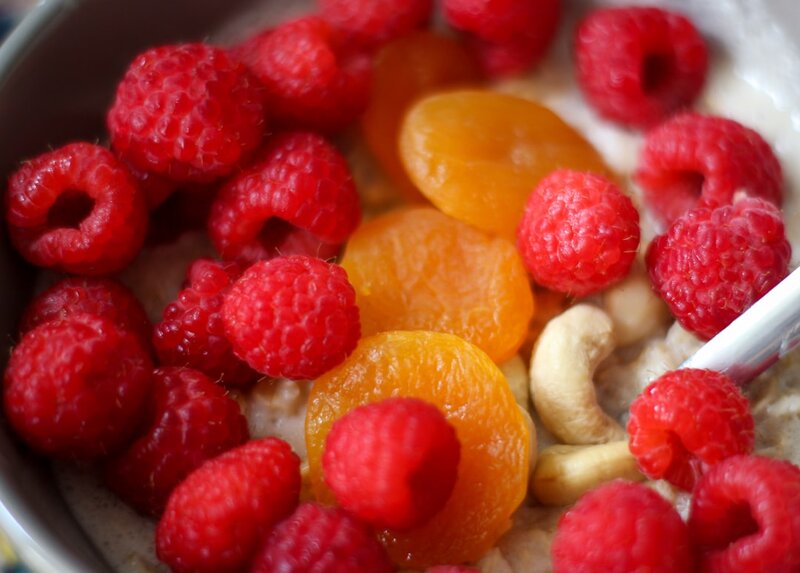
We tend to think of the brain as something separate from the rest of the body — a mysterious organ that either works or doesn’t. But decades of research now tell us that what we put on our plates has a direct, measurable effect on how well our brains age. The good news? It is never too late to start making changes, and the foods that protect your brain are not exotic or expensive — many of them are everyday staples you will find in any Irish supermarket.
TL;DR
- The MIND diet — a blend of Mediterranean and DASH eating patterns — has been shown to reduce dementia risk by up to 53% in people who follow it closely
- Key brain-protective foods include leafy greens, berries, oily fish, nuts, olive oil, and wholegrains — all widely available in Ireland
- Inflammation and oxidative stress are major drivers of cognitive decline; antioxidant-rich and omega-3-rich foods help counteract both
- TILDA research shows that vitamin D deficiency and poor nutritional status are common among older adults in Ireland, both linked to cognitive decline
- Small, sustainable dietary changes — not dramatic overhauls — are the most effective long-term strategy for brain health
The Science: Why Food Matters for Your Brain
Your brain uses roughly 20% of your daily energy intake despite making up only about 2% of your body weight. It is a hungry organ, and the quality of fuel it receives matters enormously. As we age, two key processes accelerate cognitive decline: chronic inflammation and oxidative stress. Both damage brain cells and disrupt the neural connections that underpin memory, concentration, and clear thinking.
This is where diet comes in. Certain foods are rich in anti-inflammatory compounds and antioxidants that help protect brain cells. Others — particularly ultra-processed foods high in sugar, salt, and unhealthy fats — can worsen inflammation and contribute to vascular damage that affects blood flow to the brain.
Research from the Irish Longitudinal Study on Ageing (TILDA) at Trinity College Dublin has consistently found links between nutritional status and cognitive function in older Irish adults. TILDA data shows that deficiencies in key nutrients — particularly vitamin D, B12, and folate — are surprisingly common among the over-50s in Ireland and are associated with poorer cognitive outcomes.
The MIND Diet: A Blueprint for Brain Health
If you have heard of the Mediterranean diet, you are already halfway there. The MIND diet (Mediterranean-DASH Intervention for Neurodegenerative Delay) was developed by researchers at Rush University in Chicago specifically to target brain health. It combines elements of the Mediterranean diet and the DASH diet (originally designed to lower blood pressure) into a pattern that focuses on the foods most strongly associated with cognitive protection.
A landmark study published in Alzheimer’s & Dementia found that people who followed the MIND diet rigorously reduced their risk of Alzheimer’s disease by up to 53%. Even those who followed it only moderately saw a 35% reduction — an encouraging finding for anyone who thinks perfection is required.
The MIND diet emphasises ten brain-healthy food groups and limits five that may be harmful. Here is what it looks like in practice, adapted for an Irish context:
The Ten Brain-Friendly Food Groups
1. Leafy greens (at least six servings per week): Spinach, kale, rocket, and cabbage — all grow well in Ireland. A daily side salad or a handful of spinach stirred into soup counts.
2. Other vegetables (at least one serving per day): Broccoli, carrots, peppers, courgettes, and root vegetables. Irish staples like turnip and parsnip are excellent choices.
3. Berries (at least two servings per week): Blueberries and strawberries are the most researched for brain health. Irish-grown strawberries and blackberries from hedgerows are perfect — and frozen berries are just as nutritious as fresh.
4. Nuts (five servings per week): Walnuts are particularly rich in omega-3 fatty acids, but almonds, hazelnuts, and cashews all contribute. A small handful (about 30g) is a serving.
5. Olive oil (as your primary cooking oil): Extra virgin olive oil is rich in polyphenols — powerful antioxidants that cross the blood-brain barrier. Use it for dressings and light cooking.
6. Wholegrains (three or more servings per day): Porridge oats (an Irish breakfast staple), brown bread, brown rice, and wholemeal pasta. Porridge is genuinely one of the best brain-food breakfasts you can have.
7. Oily fish (at least once per week): Salmon, mackerel, sardines, and trout are all rich in DHA and EPA — omega-3 fatty acids that are critical for brain cell membranes. Ireland’s access to fresh Atlantic fish is a real advantage here.
8. Beans and pulses (at least three servings per week): Lentils, chickpeas, kidney beans, and butter beans are affordable, filling, and rich in folate and fibre.
9. Poultry (at least twice per week): Chicken and turkey provide lean protein without the saturated fat load of red meat.
10. Wine (optional — no more than one glass per day): Red wine contains resveratrol, but the benefits are modest and must be weighed against the known risks of alcohol for older adults. If you do not currently drink, there is no reason to start for brain health.
Five Foods to Limit
The MIND diet recommends reducing (not eliminating) red meat, butter and margarine, cheese, pastries and sweets, and fried or fast food. These are not forbidden — the emphasis is on shifting the overall balance of your diet rather than strict restriction.
Irish Superfoods for Brain Health
You do not need to look far for brain-protective foods in Ireland. Some of the best options are deeply embedded in Irish food culture:
- Porridge oats: Rich in B vitamins, fibre, and slow-release energy that keeps blood sugar stable — important for sustained brain function throughout the morning
- Atlantic mackerel and salmon: Among the richest sources of omega-3 fatty acids available, and widely caught in Irish waters
- Irish blackberries: Free from hedgerows in late summer and autumn, packed with anthocyanins — the compounds that give berries their deep colour and their brain-protective properties
- Eggs: Rich in choline, a nutrient essential for the production of acetylcholine, a neurotransmitter involved in memory. Irish free-range eggs are widely available
- Brown soda bread: A wholegrain option that is a genuine Irish tradition — and far better for your brain than white sliced bread
The Vitamin D Question
TILDA research has highlighted that vitamin D deficiency is remarkably common among older adults in Ireland — the study found that approximately one in four adults over 50 is deficient, rising to one in three during winter months. This is significant for brain health because vitamin D plays a role in neuroprotection and reducing brain inflammation.
Ireland’s northerly latitude means we receive limited UVB sunlight (the type that triggers vitamin D production in the skin) between October and March. The HSE and the Food Safety Authority of Ireland recommend that all adults over 65 take a daily vitamin D supplement of 15 micrograms (600 IU), and many health professionals suggest that adults over 50 should consider supplementation year-round.
Gut Health and the Brain
Emerging research into the gut-brain axis — the two-way communication system between your digestive tract and your brain — suggests that a healthy gut microbiome supports cognitive function. Fermented foods like natural yoghurt, kefir, and sauerkraut, along with fibre-rich foods that feed beneficial gut bacteria, may have indirect but meaningful benefits for brain health.
This is an area where science is still evolving, but the practical advice aligns with everything else we know: eat more fibre, more vegetables, more fermented foods, and fewer ultra-processed products.
Practical Steps to Get Started
You do not need to overhaul your entire diet overnight. Research suggests that even moderate adherence to a brain-healthy eating pattern makes a difference. Here are some manageable starting points:
- Add one extra portion of leafy greens per day — stir spinach into a soup, add a side salad at lunch, or blend kale into a smoothie
- Swap your cooking oil to olive oil — a simple change with significant long-term benefits
- Have porridge for breakfast three mornings a week — top with berries and a sprinkle of walnuts for a triple brain-health boost
- Eat oily fish once a week — tinned mackerel or sardines on wholemeal toast is quick, cheap, and genuinely effective
- Keep a bag of frozen berries in the freezer — they are affordable, available year-round, and nutritionally equivalent to fresh
Where to Find Support
If you are concerned about your nutritional status or cognitive health, your GP is a good starting point. They can arrange blood tests to check for common deficiencies (vitamin D, B12, folate, iron) and refer you to a dietitian if needed.
The HSE’s community dietitian services are available in many areas, though waiting times vary. Safefood and the Food Safety Authority of Ireland both offer free, reliable nutritional guidance. The Alzheimer Society of Ireland provides resources on lifestyle factors — including diet — that can reduce dementia risk.
At Críonna Health, we believe that healthy ageing starts with practical, achievable steps. What you eat is one of the most powerful tools you have for protecting your brain — and it is one that is entirely within your control.
📷 Photo by Julia Karnavusha (@julkarrr) on Unsplash