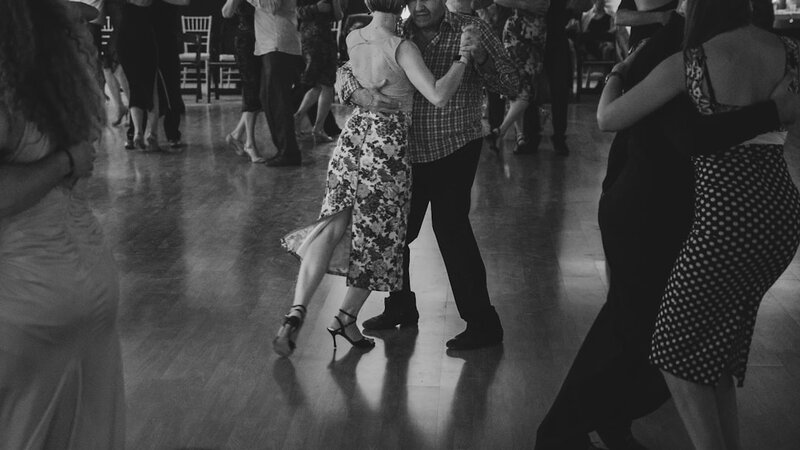
There’s something uniquely joyful about dancing. The music starts, a hand extends, and suddenly you’re moving — not because a physiotherapist told you to, but because it feels good. For people over 50, social dancing isn’t just a pleasant pastime. It’s one of the most complete forms of exercise available, combining physical movement, cognitive challenge, emotional expression, and genuine human connection in a single activity.
Whether it’s a céilí in a parish hall, a ballroom class at the local community centre, or set dancing at a festival, Ireland has a rich tradition of dance that makes getting started both accessible and deeply rewarding.
TL;DR
- Social dancing combines cardiovascular exercise, balance training, cognitive stimulation, and social connection — all in one activity
- Research shows regular dancing can reduce the risk of falls by up to 37% and may slow cognitive decline more effectively than other forms of exercise
- Ireland has a strong tradition of céilí, set dancing, and ballroom dancing, with classes widely available through Active Retirement groups, community centres, and local dance schools
- Dancing is low-cost, adaptable to all fitness levels, and can be enjoyed seated if mobility is limited
- Críonna Health recommends dancing as a joyful, evidence-backed way to stay active and socially connected in later life
The Evidence: Why Dancing Is Different
Exercise guidelines for older adults typically recommend a mix of aerobic activity, strength training, balance work, and flexibility exercises. Most activities tick one or two of these boxes. Dancing, remarkably, ticks nearly all of them — and adds cognitive and social dimensions that a gym session simply can’t match.
A landmark study published in the New England Journal of Medicine followed older adults over 21 years and found that dancing was the only physical activity associated with a significantly lower risk of dementia. The researchers attributed this to the unique combination of physical exertion and rapid-fire decision-making: remembering steps, responding to a partner, adapting to tempo changes, and navigating the dance floor all engage multiple brain regions simultaneously.
More recent research, including findings from the Irish Longitudinal Study on Ageing (TILDA), highlights that social participation and physical activity are independently protective against cognitive decline and depression — and dancing delivers both at once.
Physical Benefits You Can Feel
Dancing engages muscles across the entire body. The constant weight-shifting strengthens legs and core. Arm movements in styles like jive or waltz build upper body coordination. The sustained movement elevates heart rate, supporting cardiovascular health — the Irish Heart Foundation recommends at least 150 minutes of moderate activity per week, and a lively céilí session can easily contribute 30-60 minutes of that.
Balance and Falls Prevention
Falls are the leading cause of injury-related hospital admissions among older adults in Ireland. The HSE’s Falls Prevention Programme emphasises the importance of balance training, and dancing is one of the most enjoyable ways to achieve it. A Cochrane review found that dance-based interventions reduced the rate of falls by up to 37% in community-dwelling older adults.
The constant shifts in direction, the turns, the pauses — all of these challenge your proprioception (your body’s sense of where it is in space) in a way that standing on one leg in your kitchen simply cannot replicate.
Joint-Friendly Movement
Unlike running or high-impact aerobics, most social dance styles are low-impact. Foxtrot, waltz, and slow waltzes are gentle on joints while still providing meaningful exercise. For those with arthritis or joint replacements, dancing can be adapted — many teachers are experienced in modifying steps to suit different ability levels.
Cognitive Benefits: A Workout for Your Brain
Learning new dance steps is genuinely challenging for the brain, and that’s precisely why it’s so beneficial. Each time you learn a new sequence, your brain forms new neural pathways. Recalling those sequences under the pressure of live music strengthens working memory. Leading or following a partner requires split-second spatial awareness and decision-making.
Dr Rose Anne Kenny, lead researcher on the TILDA study, has spoken extensively about how social engagement and physical activity together create a “protective buffer” against cognitive decline. Dancing is perhaps the purest expression of that combination.
Mental Wellbeing and Social Connection
Loneliness and social isolation are significant health concerns for older adults in Ireland. ALONE Ireland reports that approximately 1 in 10 older people experience chronic loneliness, with serious consequences for both mental and physical health.
Dancing addresses this directly. A weekly dance class creates routine, accountability, and a ready-made social group. The physical closeness of partner dancing — a hand on a shoulder, the coordination of movement — provides a form of safe, structured physical contact that many people in later life may otherwise lack.
The mood-enhancing effects are well-documented too. Music activates the brain’s reward centres, releasing dopamine. Combined with exercise-induced endorphins and the pleasure of social interaction, a dance session can leave you feeling genuinely uplifted for hours afterwards.
Dancing in Ireland: Where to Start
Ireland’s dance traditions make it particularly easy to find a class, no matter where you live.
Céilí and Set Dancing
Comhaltas Ceoltóirí Éireann branches across the country offer regular céilí nights and set dancing classes. These are often informal, welcoming, and inexpensive. Set dancing, which originated in rural Ireland, is danced in groups of four couples and is inherently social — you’ll dance with multiple partners in a single session.
Ballroom and Social Dancing
Ballroom dancing has seen a resurgence in Ireland, partly thanks to television dance competitions. Local dance schools offer beginners’ classes in waltz, quickstep, foxtrot, and jive. Many Active Retirement Ireland groups include dance classes in their weekly programmes — check your local branch for details.
Line Dancing and Sequence Dancing
If partner dancing feels intimidating, line dancing and sequence dancing are excellent alternatives. You dance in a group, following set patterns, with no need for a partner. These formats are particularly popular in community centres and GAA halls across Ireland.
Seated Dance
For those with limited mobility, seated dance programmes offer many of the same cognitive and social benefits. Age & Opportunity’s Go for Life programme and some local Older People’s Services run seated dance sessions that are joyful, inclusive, and surprisingly energetic.
Practical Tips for Getting Started
- Start with a beginners’ class. Don’t worry about having “two left feet” — everyone starts somewhere, and social dance classes for older adults are designed to be welcoming and patient.
- Wear comfortable, supportive shoes. Avoid trainers with too much grip, as they can catch on the floor. Smooth-soled shoes or dedicated dance shoes allow for easier turning.
- Bring water. Staying hydrated is important, especially in warm community halls.
- Go with a friend if that makes it easier — but don’t let the lack of a partner stop you. Most social dances rotate partners, and solo dancers are always welcome.
- Listen to your body. Dance at your own pace, take breaks when you need them, and let the teacher know about any health conditions or physical limitations.
- Check local resources. Active Retirement Ireland, your local Family Resource Centre, community notice boards, and parish newsletters are all good places to find classes near you.
A Note on Inclusivity
Dance is for everyone. You don’t need to be fit, flexible, or coordinated to start. The best social dance classes meet you where you are and help you progress at your own pace. Many people who start dancing in their 50s, 60s, or 70s find it becomes a highlight of their week within just a few sessions.
At Críonna Health, we believe that the best health interventions are the ones people actually enjoy doing. Dancing is a prime example — it doesn’t feel like exercise, but it delivers profound physical, cognitive, and emotional benefits. If you’ve been looking for a reason to try something new, this might just be it.
Where to Find More Information
- Comhaltas Ceoltóirí Éireann — comhaltas.ie — for céilí and set dancing classes nationwide
- Active Retirement Ireland — activeretirementireland.com — local groups often run dance classes
- Age & Opportunity / Go for Life — ageandopportunity.ie — includes seated dance and creative movement programmes
- HSE Falls Prevention — hse.ie — information on balance and strength programmes
- ALONE Ireland — alone.ie — for support with social isolation and connecting with local activities
📷 Photo by Christian Harb on Unsplash